Understanding the Limits of Climate Change Attribution in Extreme Weather
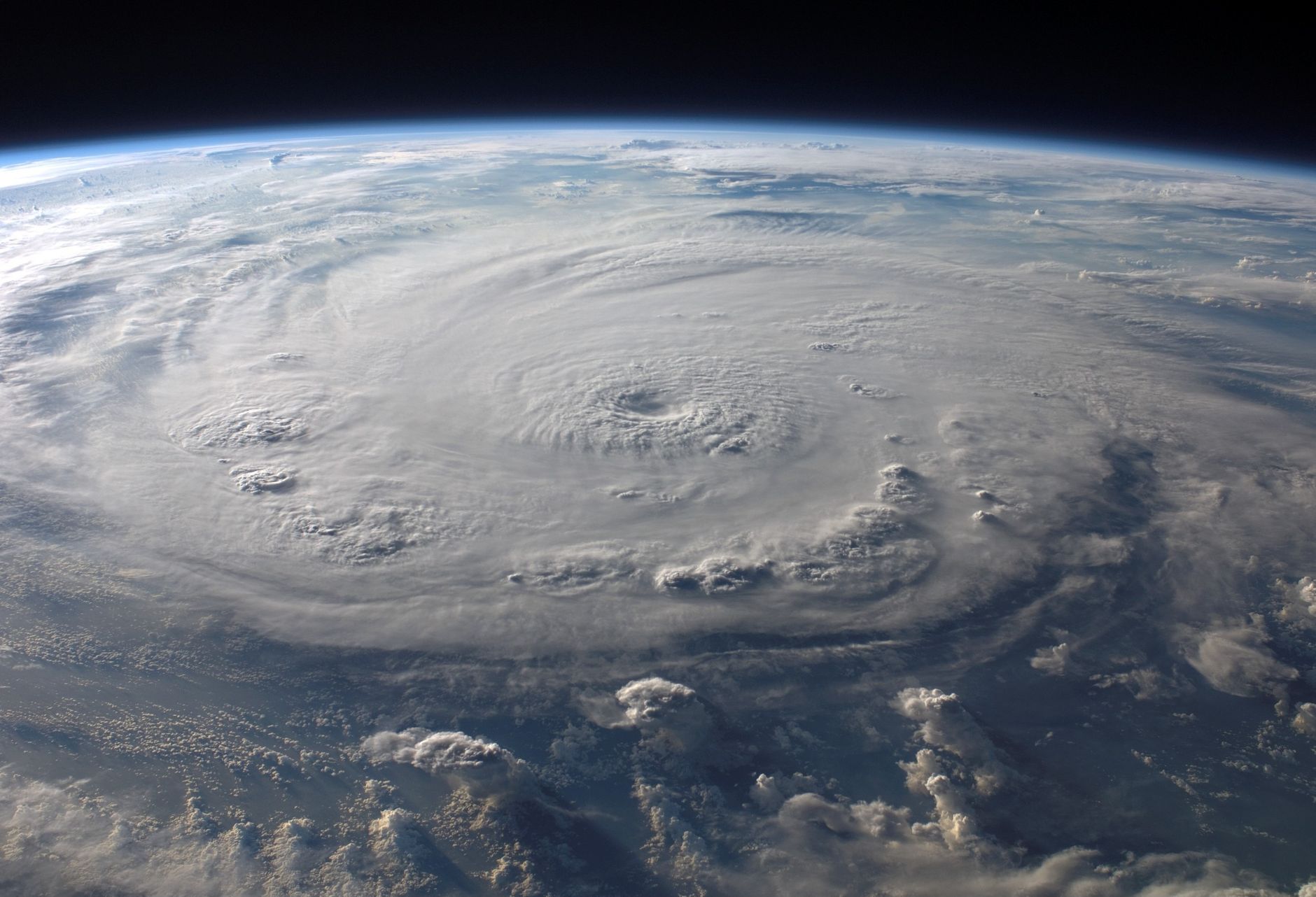
The relentless onslaught of extreme weather events has left many wondering to what extent climate change is to blame. While the instinct to pin the responsibility squarely on rising greenhouse gas emissions is strong, the science of attribution is nuanced, and its limits are often overlooked.
Attribution science, a burgeoning field, seeks to quantify how much human-induced climate change contributes to extreme weather. By employing climate models and observational data, researchers like Friederike Otto and her team are unravelling the influence of global warming on events ranging from heatwaves to hurricanes. Yet, this scientific endeavour is fraught with challenges.
The Complexity of Attribution
Understanding the role of climate change in specific weather events is not a straightforward task. The Intergovernmental Panel on Climate Change (IPCC) emphasises that the confidence in attribution findings varies significantly by event type. For some phenomena, like heatwaves, the evidence is robust and consistent, allowing for high confidence in the results. In contrast, for other events, such as tornadoes, the scientific consensus is less clear, and the attribution remains more tentative.
Moreover, while climate change may have minimal impact on the magnitude of certain events, its influence on their frequency can be substantial. This duality complicates the narrative and demands a careful interpretation of data and models.
Implications Beyond the Lab
The ramifications of attribution science extend well beyond academic circles. As scientists hone their understanding of how climate change affects extreme weather, their findings are beginning to shape public policy, insurance claims, and even litigation. The ability to put a numerical figure on the damage attributable to climate change could potentially sway court cases and influence policy decisions on infrastructure and disaster preparedness.
Yet, the science is not infallible. Legitimate differences in methodologies and interpretations persist among studies, highlighting the inherent complexities of the field. As we continue to grapple with the realities of a changing climate, the pursuit of understanding must be tempered with an acknowledgment of the scientific limits we face.