UNEP's Call for Justice in Environmental Transition
In a world grappling with the consequences of climate change, the United Nations Environment Programme (UNEP) has sounded a clarion call for justice in its latest report, 'No Transition Without Justice'. The report propounds that the path to a sustainable future must be paved with the stones of justice and inclusivity, stressing that social equity cannot be divorced from environmental action.
A Unified Approach
The UNEP report argues that effective climate strategies must adopt an integrated approach, combining environmental rule of law with social justice principles. This entails recognising the rights of communities most affected by environmental degradation and ensuring their voices are not only heard but central to the policymaking process. The report emphasises that without this integration, any transition remains incomplete and potentially unjust.
Achim Steiner, the Executive Director of UNEP, remarked, "We cannot afford to separate environmental sustainability from social equity. A just transition recognises the intertwined nature of these challenges." The report calls on governments to embed environmental justice into their legal frameworks, which could serve as a bulwark against the exploitation and marginalisation of vulnerable groups.
The Role of Environmental Defenders
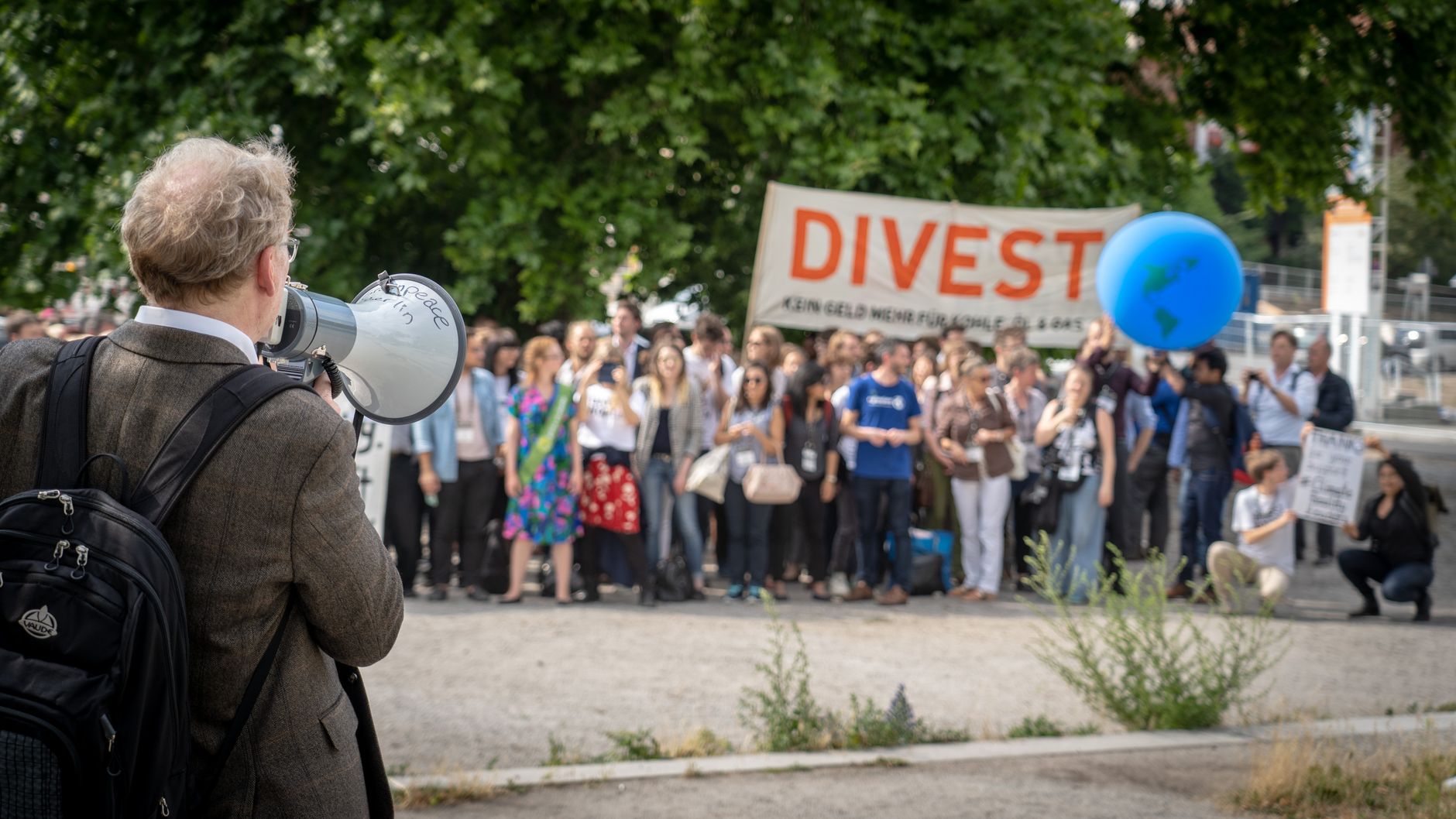
Central to the report is the acknowledgment of the crucial role played by Environmental Human Rights Defenders (EHRDs). These individuals often risk their lives to protect natural resources and advocate for the rights of their communities. UNEP's report calls for increased protection and support for these defenders, viewing them as vital allies in the quest for a fair transition.
Moreover, the report suggests that engaging local communities and respecting indigenous knowledge can lead to more robust and culturally sensitive environmental policies. This inclusivity is not merely a moral imperative but an essential component of effective environmental governance.
Ultimately, 'No Transition Without Justice' is a stark reminder that the fight against climate change is as much about social justice as it is about reducing carbon emissions. It challenges policymakers worldwide to reimagine a future where the environment and equity are not mutually exclusive but mutually reinforcing goals.