UNESCO's Global Consultation on AI's Role in Education
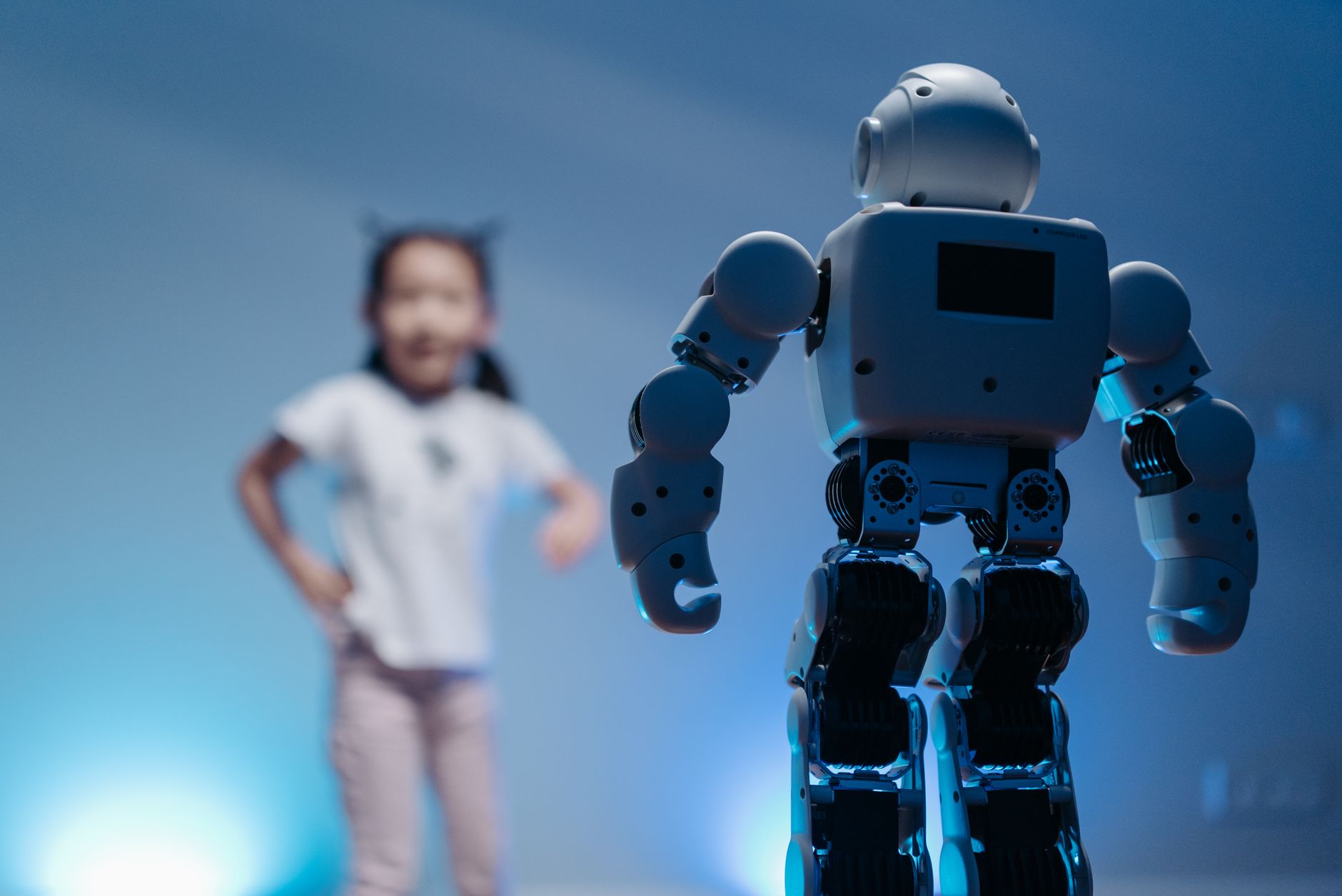
In the bustling corridors of UNESCO's headquarters, a new chapter is being written for the future of education. As the world gears up for Digital Learning Week 2026, UNESCO has launched a global consultation process to examine the intricate relationship between artificial intelligence (AI) and education. The initiative is timely, given the rapid pace at which AI technologies are infiltrating classrooms worldwide.
The consultation revolves around a freshly minted discussion paper, 'Sustaining Education as a Common Good in the Age of AI: The Case for Deliberative Governance'. This document sets the stage for an urgent conversation about the risks posed by unbridled AI utilisation in educational settings. UNESCO stresses the need for a governance framework that ensures AI's role in education remains beneficial and inclusive.
The Risks of Ungoverned AI
Generative AI, with its potential to personalise learning experiences, offers tantalising possibilities for enhancing educational outcomes, especially for students in remote locales or those with disabilities. However, UNESCO's report warns of the perils of such technologies being left unchecked. The risks are manifold, from exacerbating existing inequalities to the erosion of privacy and data security. The paper calls for a careful balancing act to harness AI's benefits while safeguarding educational values.
UNESCO's Global Education Monitoring Report 2023 had already highlighted these challenges, pointing to the need for robust ethical guidelines. The ongoing consultation aims to build on these findings, fostering a collaborative effort to develop policies that align with the principles of fairness and equity.
Creating a Deliberative Governance Framework
Central to UNESCO's vision is the establishment of a deliberative governance framework. This entails not only regulating AI's use but also ensuring that educational policies are crafted through inclusive dialogue. By engaging educators, policymakers, technologists, and civil society, UNESCO hopes to craft a strategy that reflects diverse perspectives and real-world needs.
As discussions unfold, one thing is clear: the integration of AI in education must be approached with caution and foresight. The stakes are high, and the opportunity to reshape learning paradigms is immense. Yet, without careful governance, the promise of AI could easily turn into peril.
As the world watches, UNESCO's proactive stance may well serve as a blueprint for other nations grappling with the same challenges. For now, the dialogue continues, with the hope that AI will remain a tool for empowerment, not division.