Unmasking the Mystery: India's Unrecognised Political Parties
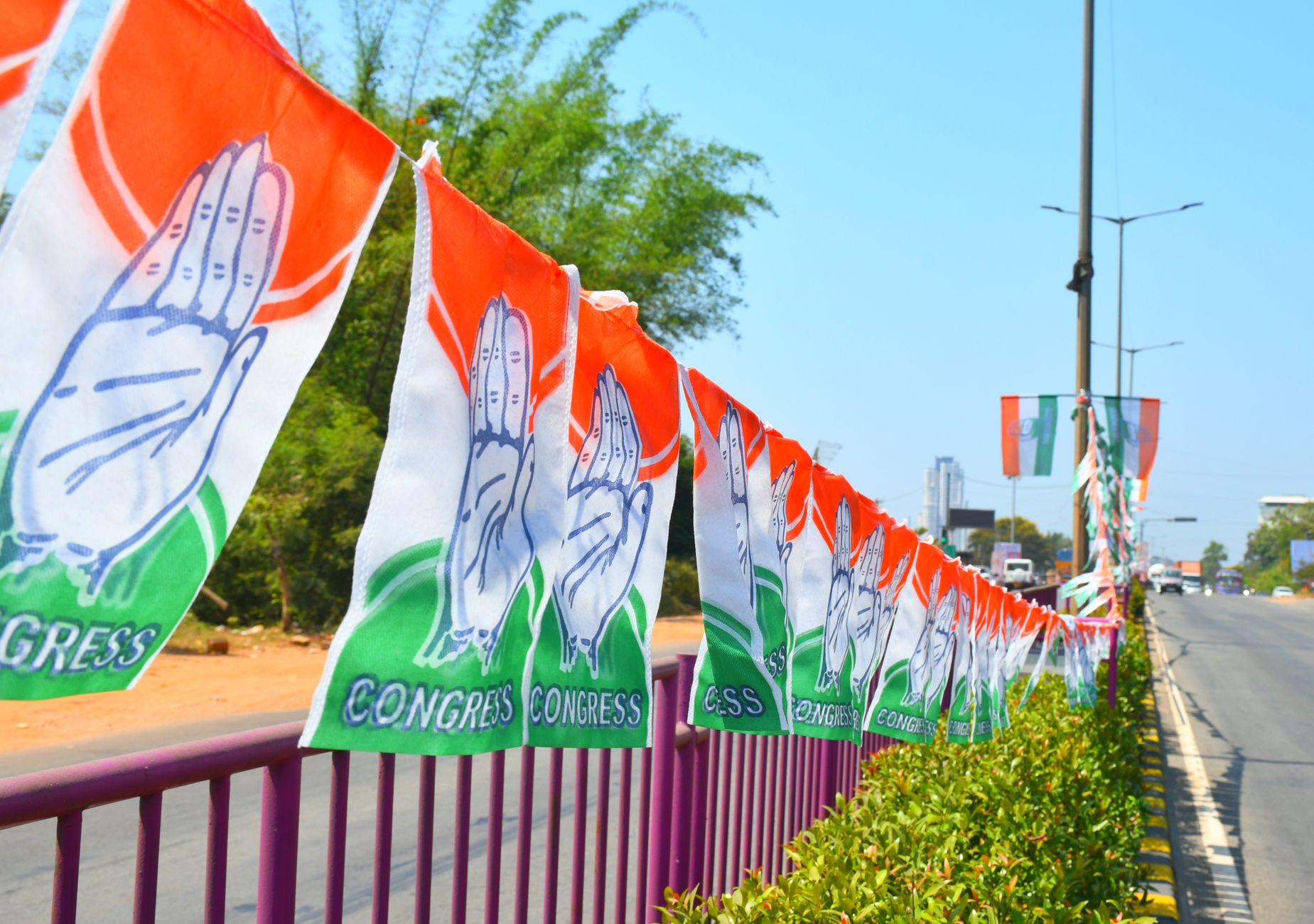
In a nondescript lane in Gujarat, a political party office stands in eerie silence, its doors firmly shut, and its windows collecting dust. This is no isolated case. Across India, a constellation of such unrecognised political parties exists, shrouded in mystery and often operating beyond the public's prying eyes.
These parties, despite their obscurity, manage to attract donations running into hundreds of crores. Yet, their political activities, if any, are so minimal that they barely register on the electoral radar. When they contest, it is often with negligible voter support, raising questions about the true purpose behind their existence.
Unveiling the Hidden Channels of Political Funding
The Election Commission of India (ECI) has been prompted to act. It recently initiated the delisting of 345 Registered Unrecognised Political Parties (RUPPs), citing their failure to contest elections or maintain valid office addresses. This move aims to curb the suspected misuse of these parties as conduits for unaccounted money, potentially evading tax scrutiny.
Operating under Section 29A of the Representation of the People Act, 1951, these parties enjoy certain privileges that recognised ones do not. Yet, the lack of transparency in their operations has raised significant concerns among authorities and watchdogs alike.
The Broader Implications for Political Accountability
The ECI's crackdown is not merely a bureaucratic exercise but a crucial step towards ensuring political transparency and accountability. By delisting non-compliant parties, the commission seeks to bolster trust in the electoral process, which is foundational to India's democracy.
However, the path forward is fraught with challenges. As political analysts point out, the mere act of delisting is not a panacea. There needs to be a robust mechanism to monitor the flow of political funds and ensure that the loopholes these parties exploit are effectively sealed.
In the grand tapestry of Indian politics, these unrecognised parties may seem like mere footnotes, but their existence and the murky finances surrounding them highlight a critical area that demands scrutiny. As the ECI moves to clean up this aspect of the political landscape, it sends a clear message: transparency and accountability are not optional in the world's largest democracy.