Unravelling the Deep-Sea Protein Mystery: Surviving Under Pressure
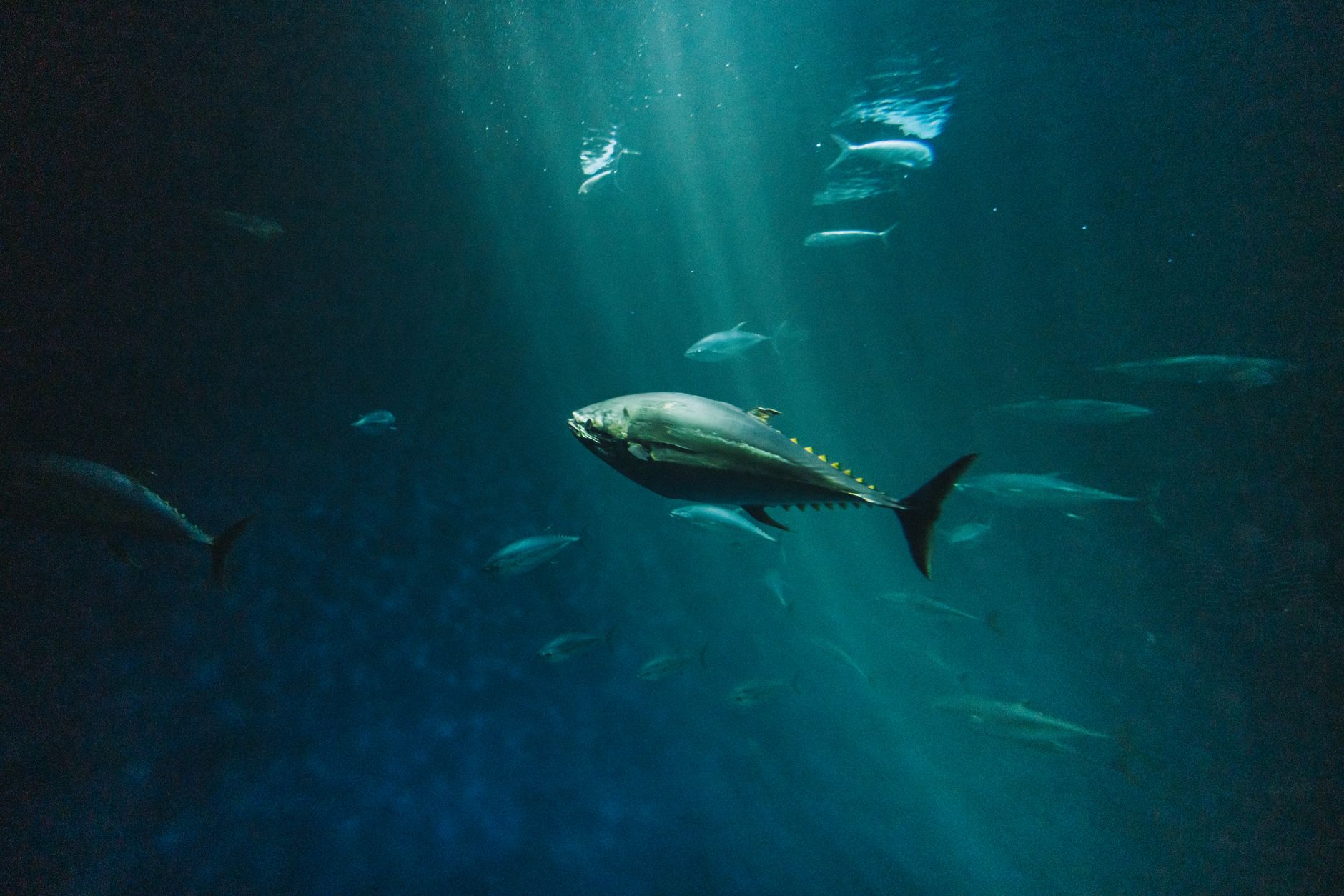
In the deep recesses of the ocean, where sunlight fails to penetrate and the pressure would squash an unprotected human like a tin can, life finds a way. It's an environment so extreme that it has long posed a mystery to scientists: how do organisms survive in such conditions?
Recent research has begun to unravel this enigma, focusing on the protein PoXeR from a deep-sea bacterium. Under the immense pressure of the deep sea, proteins are at risk of unfolding, a process that would render them useless. Yet, the proteins of these organisms remain stable and functional. The secret lies in their unique structural adaptation.
Adapting Against the Odds
Proteins are fundamentally chains of amino acids that fold into complex three-dimensional shapes. This folding is delicate, influenced by environmental factors such as temperature, salinity, and notably, pressure. In the deep sea, however, the harsh conditions demand a different kind of biochemical resilience.
Scientists have discovered that the lipids surrounding these proteins adopt a cone shape, which under normal conditions would be exaggerated. However, the deep-sea pressure counteracts this exaggeration, allowing the proteins to maintain their shape and function. This ingenious adaptation ensures that life can persist where it seems least likely.
Why It Matters
Understanding how deep-sea proteins adapt is not just an academic curiosity. It holds potential implications for biotechnology and medicine, offering insights into protein stability and resilience. If we can mimic these adaptations, it could lead to breakthroughs in drug design and synthetic biology, harnessing the unique properties of these proteins for human benefit.
As we continue to explore the ocean's depths, each discovery adds to our knowledge of life's incredible versatility. The study of PoXeR and its brethren proteins underscores not only the mysteries of the deep sea but also the ingenious strategies evolution employs to conquer adversity.