Unravelling the Mysteries of General Anaesthesia and the Human Brain
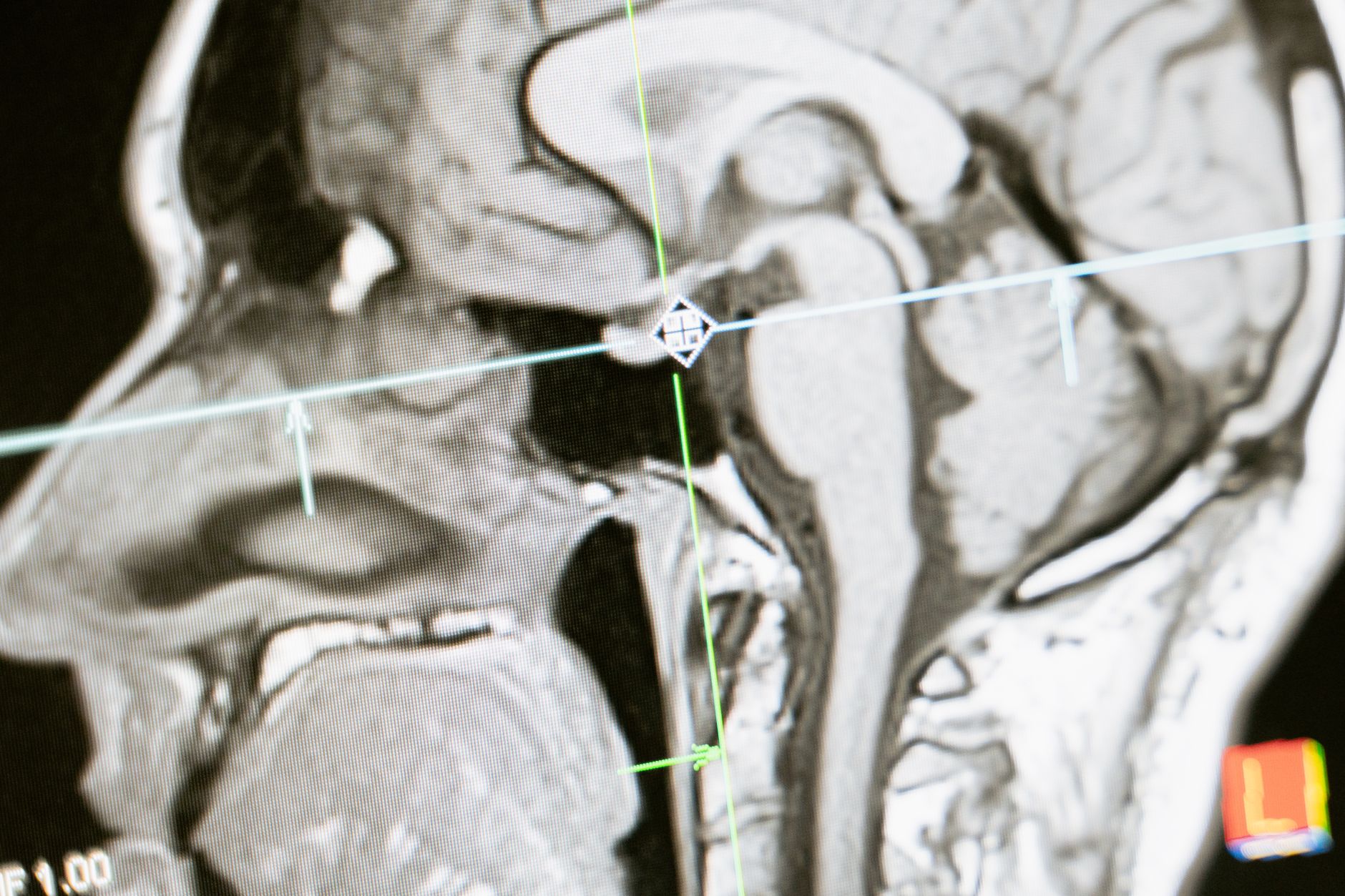
In the sterile confines of an operating theatre, a patient drifts into unconsciousness. It's a scene repeated over 350 million times a year worldwide, yet the process remains shrouded in mystery. General anaesthesia, a cornerstone of modern medicine, continues to baffle scientists with its enigmatic workings.
While the immediate effect is well understood—a temporary loss of consciousness allowing painless surgery—the underlying mechanisms are not. Scientists have long been fascinated by how these drugs manage to switch off awareness, akin to flicking a light switch, yet remain uncertain of the exact pathways involved.
Unlocking the Secrets of the Brain
Recent research offers tantalising clues. Studies indicate that general anaesthetics disrupt communication between different regions of the brain. This disruption leads to reduced long-range connections, effectively isolating various parts of the brain from each other. It's a bit like shutting down the main thoroughfares of a bustling city, leaving only the side streets open for traffic.
Such findings are providing scientists with a unique window into the operations of consciousness itself. By observing how the brain functions under anaesthesia, researchers hope to better understand its normal operations and the essence of consciousness.
A Two-Pronged Approach
The implications of these findings extend beyond mere academic curiosity. Understanding anaesthesia's effects could lead to advances in treating brain disorders characterised by disrupted communication, such as epilepsy or schizophrenia. Furthermore, it may illuminate the nature of consciousness, one of the last frontiers in science.
In the words of Dr. Emma L. Johnson, a leading researcher in the field, 'Understanding how anaesthesia works is akin to discovering a new continent on the map of human knowledge. It's a journey that could reshape our understanding of the brain.'
As researchers continue to probe this scientific enigma, each discovery brings us closer to not only understanding anaesthesia but also unlocking the brain's deepest mysteries. The curtain may be slowly lifting on one of science's great unsolved puzzles.