Unrest in Education: Experts Blame Graft and Centralisation
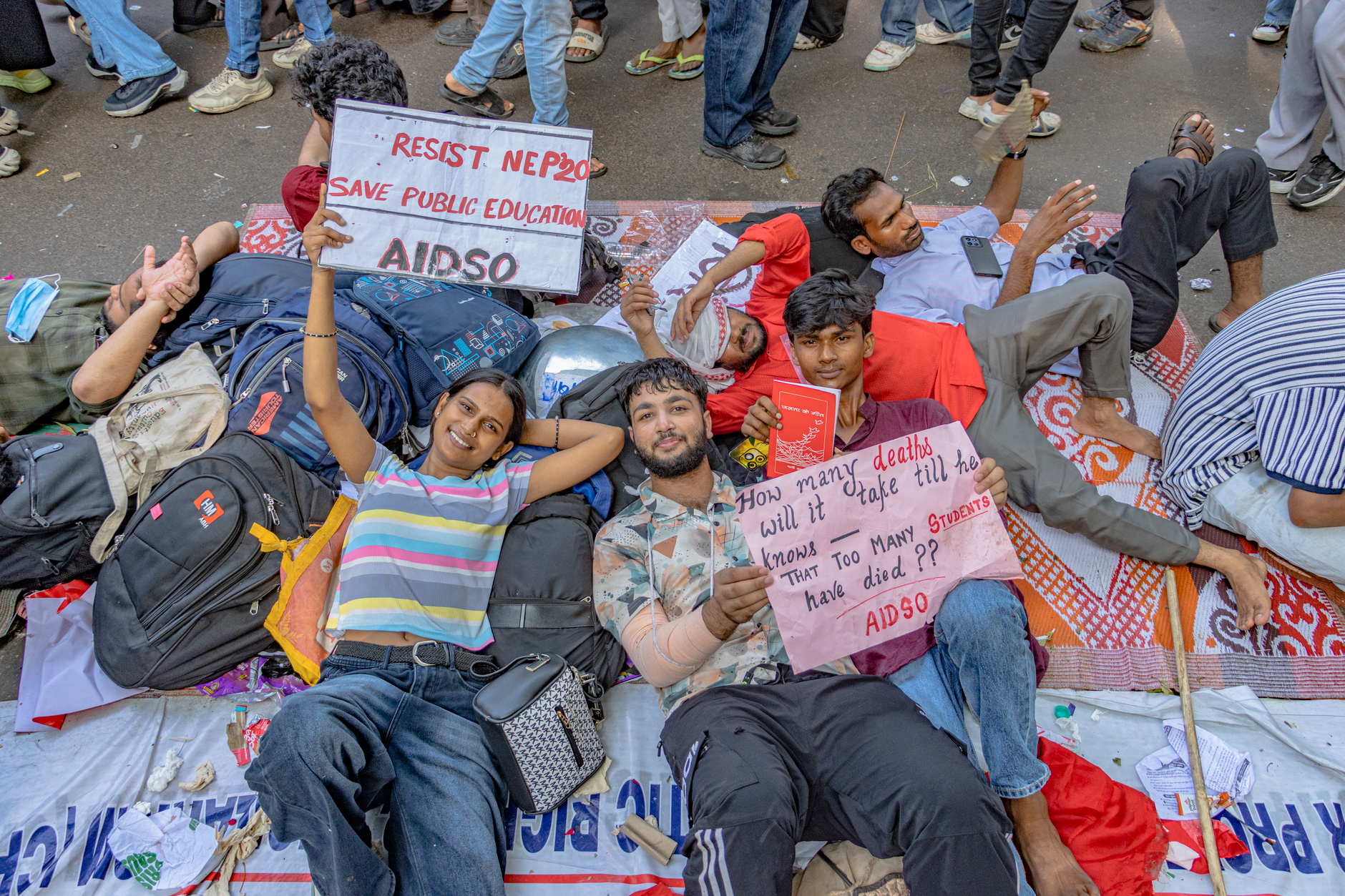
In a dramatic turn of events, the resignation of India's Education Minister Dharmendra Pradhan has been heralded as a significant win for the students who have been protesting against the systemic failures of the country's education system. Yet, experts caution that this is but a symptom of deeper issues plaguing the sector: graft and centralisation.
The protests erupted following the leak of medical entrance exam papers, forcing millions of students to retake their exams. Such leaks have become depressingly familiar in India's education landscape, sparking widespread frustration among a generation already grappling with high tuition fees and limited job opportunities.
The Call for Change
Academics and policy analysts have long argued for a shift towards decentralised admissions and greater institutional autonomy. They assert that centralisation has bred inefficiencies and corruption, making the system vulnerable to such scandals. Professor Arjun Mehta, a noted education reform advocate, emphasises, 'Decentralisation would not only curb corruption but also empower institutions to innovate and respond to local needs.'
Despite the Education Minister's resignation, the government's response to the crisis has been criticised as reactive rather than proactive. While swift action against those responsible for the leaks is promised, the need for systemic reform remains urgent.
A Broader Context
The protests have drawn attention to the broader socio-economic challenges faced by India's youth. With a burgeoning population of young people entering the workforce, the stakes are high. The education system's failure to equip them adequately for employment opportunities exacerbates the problem, leading to unrest.
Political figures have also weighed in, with opposition leader Rahul Gandhi expressing unequivocal support for the students. 'This is not negotiable under any circumstance,' he declared, demanding accountability for those who suppressed the protests.
As the dust settles on the recent demonstrations, the spotlight remains firmly on the need for systemic change. Whether the government's promised measures will address the root causes or merely placate immediate dissent is a question that looms large.