Unseen Tomato Compound May Revolutionise Liver Health
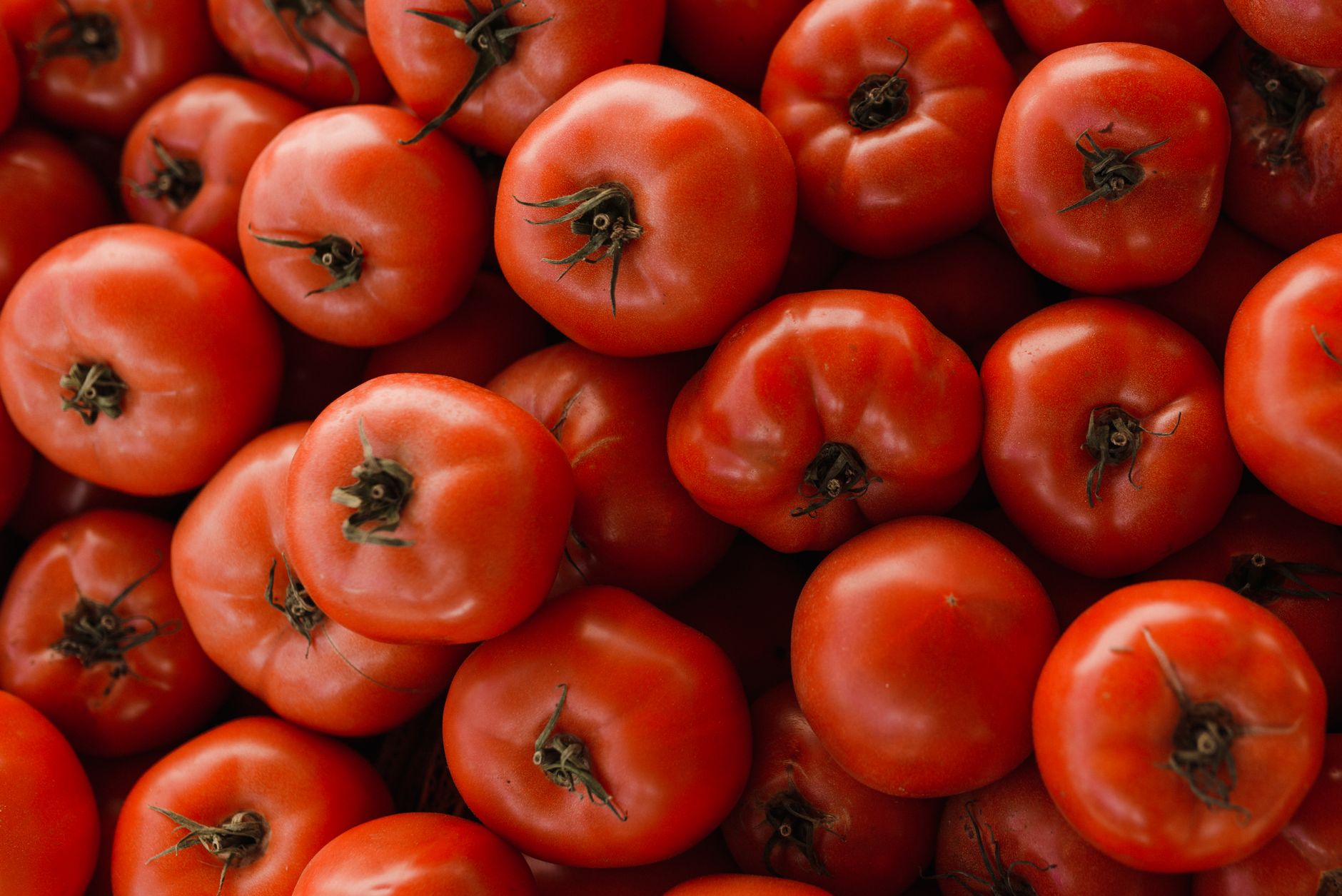
In a revelation that may have nutritionists rethinking their recipes, tomatoes have been found to contain a colourless compound with surprising benefits for liver health. The compound, known as phytoene, is a precursor in the production of lycopene, the red pigment that has long been celebrated for its antioxidant properties.
Recent research by Tufts University suggests that phytoene could play a crucial role in reducing liver fat, a condition that has become alarmingly common in recent years. The study posits that this compound could be an effective dietary intervention for those suffering from non-alcoholic fatty liver disease, a growing health concern worldwide.
The liver, an organ that performs over 500 critical functions including detoxification and protein synthesis, relies heavily on proper nutrition to operate optimally. While lycopene has often stolen the spotlight, phytoene's potential to support liver health could make it a new favourite among health enthusiasts.
The Science Explained
Phytoene is part of the carotenoid family, which are pigments found in plants that have various health benefits. Unlike its more colourful relatives, phytoene is invisible to the naked eye but no less potent in its effects. The study from Tufts University demonstrated that phytoene could significantly decrease the accumulation of fat in the liver, providing a fresh perspective on the nutritional value of tomatoes.
Further supporting this, an investigation by the Italian National Institute of Gastroenterology found that regular consumption of tomatoes was linked to a reduction in liver fat among patients with fatty liver disease. This aligns with the broader understanding that diets rich in fruits and vegetables contribute to better health outcomes.
Implications for Diet and Health
As the world grapples with increasing rates of liver disease, the implications of this discovery are profound. Tomatoes, already known for their heart health benefits and rich nutritional profile, now offer another compelling reason to be a staple in our diets. Nutritionists may soon recommend higher tomato consumption as part of a balanced diet to support liver health.
This newfound understanding of phytoene's benefits could inspire further research into its effects and applications. Whether it's through fresh tomatoes, sauces, or juice, incorporating this fruit into one's diet could be a simple yet effective strategy for enhancing liver function.
The humble tomato, often relegated to the sidelines as a salad ingredient, may yet prove to be a powerhouse of health benefits, deserving of a central role on our plates.