Unveiling Ancient Secrets: Students Aid in Vesuvius Scroll Decoding
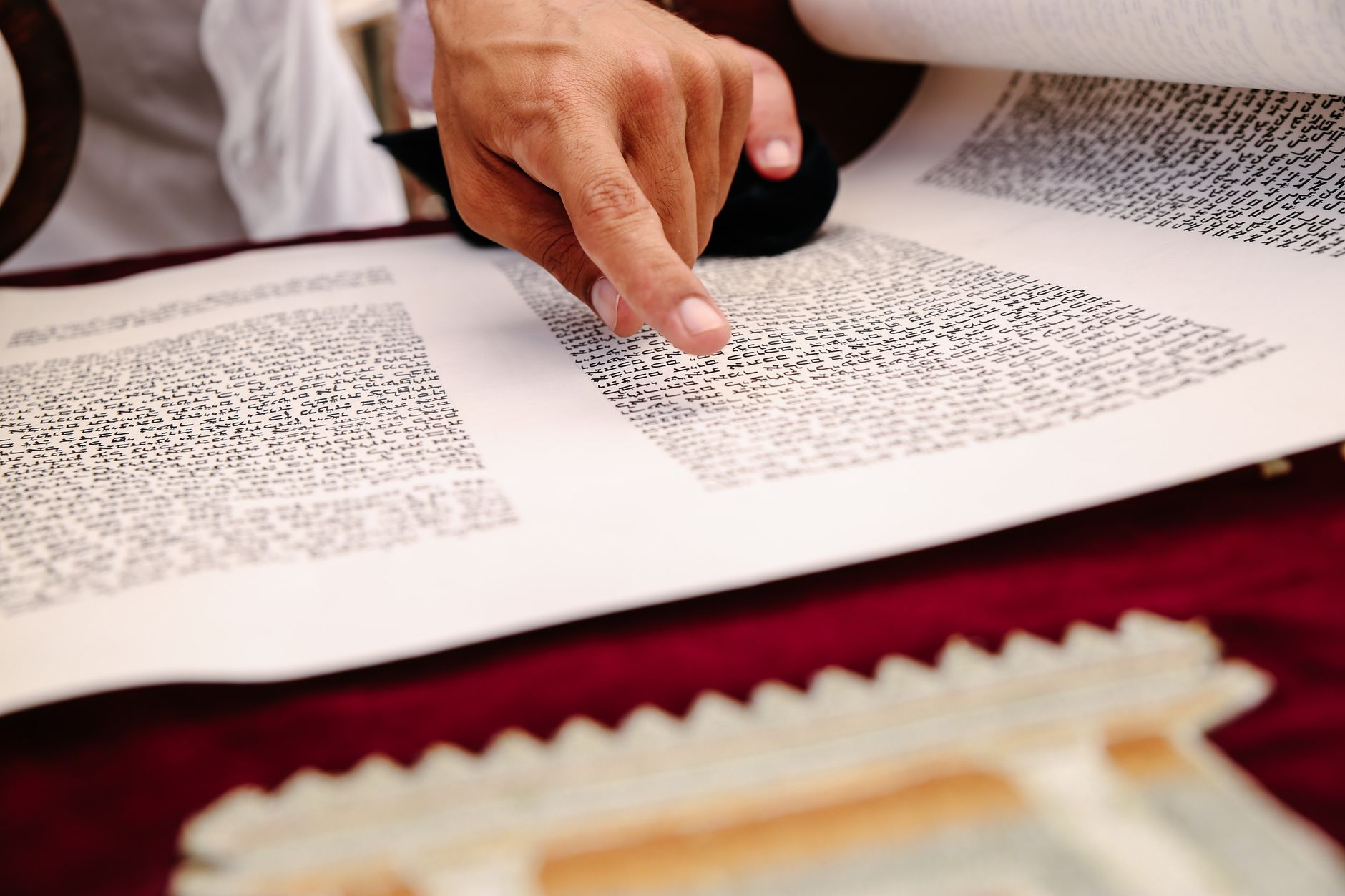
Inside a bustling laboratory at the University of California, Berkeley, an unexpected group is hard at work. High school students, armed with reed pens and modern papyrus, are part of a cutting-edge experiment to decipher 2,000-year-old scrolls carbonised by the eruption of Mount Vesuvius in AD 79.
The initiative, spearheaded by researcher Douglas Seiler, aims to tackle the formidable challenge posed by the low contrast of carbon ink on similarly carbonised materials. By introducing varying concentrations of lead into the ink, the hope is to enhance the contrast and thus readability of these ancient texts.
A Historical Puzzle
The scrolls in question originate from the Herculaneum library, a treasure trove of Roman writings buried under volcanic ash. The initial attempts to read these texts were crude, involving slicing the precious scrolls in half. Today, the strategy is far more refined, leveraging both old-world craftsmanship and modern technology.
Recently, a breakthrough was achieved by 21-year-old Luke Farritor, who became the first person to read an entire word from inside a Herculaneum scroll. His success underscores the potential of combining traditional methods with modern innovation.
The Role of Artificial Intelligence
Artificial intelligence also plays a pivotal role in this endeavour. Known as the Vesuvius Challenge, this AI-driven project assists in deciphering the texts by analysing patterns that are invisible to the human eye. Students involved in the project are not just passive participants but active contributors, providing valuable data that could lead to new discoveries.
While the task is arduous, the implications are significant. Unveiling the writings could offer unprecedented insights into Roman philosophy, literature, and daily life. It's a testament to the power of collaboration, spanning centuries, that brings us closer to understanding our shared history.