Unveiling Gujarat's Political Enigma: Donations and Dormant Offices
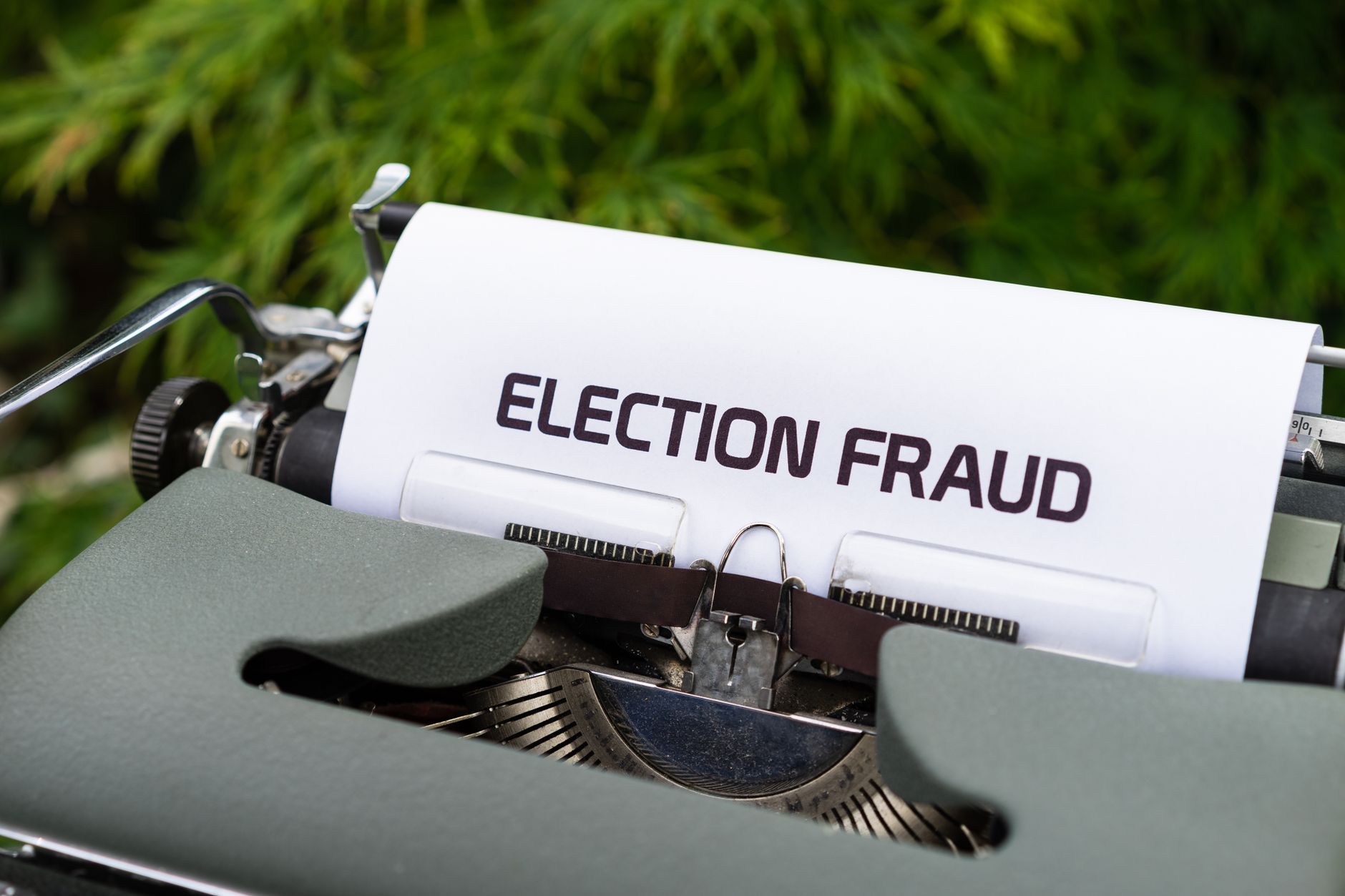
In a state known for its vibrant political tapestry, a BBC investigation has uncovered a perplexing aspect of Gujarat's political scene. Six fringe political parties, relatively unknown and unrecognised, have reportedly amassed donations running into hundreds of crores over the past few years. This financial windfall is all the more curious given that many of these parties operate from what appear to be non-existent offices.
The investigation, which scrutinised donation patterns from 2019 to 2024, does not allege any illegality. However, it raises significant questions about the efficacy and transparency of the current system that allows registered political parties to receive tax-exempt donations. Notably, these parties, often without fixed election symbols, have collected more in donations than some established national parties.
The Enigma of 'Paper Parties'
The term 'paper parties' refers to these entities that exist more in name than in active political engagement. They emerge in the records of the Election Commission but are largely absent from the public's political consciousness. Their existence is often justified by the legal framework that inadvertently incentivises the creation of such entities, offering tax exemptions to donors.
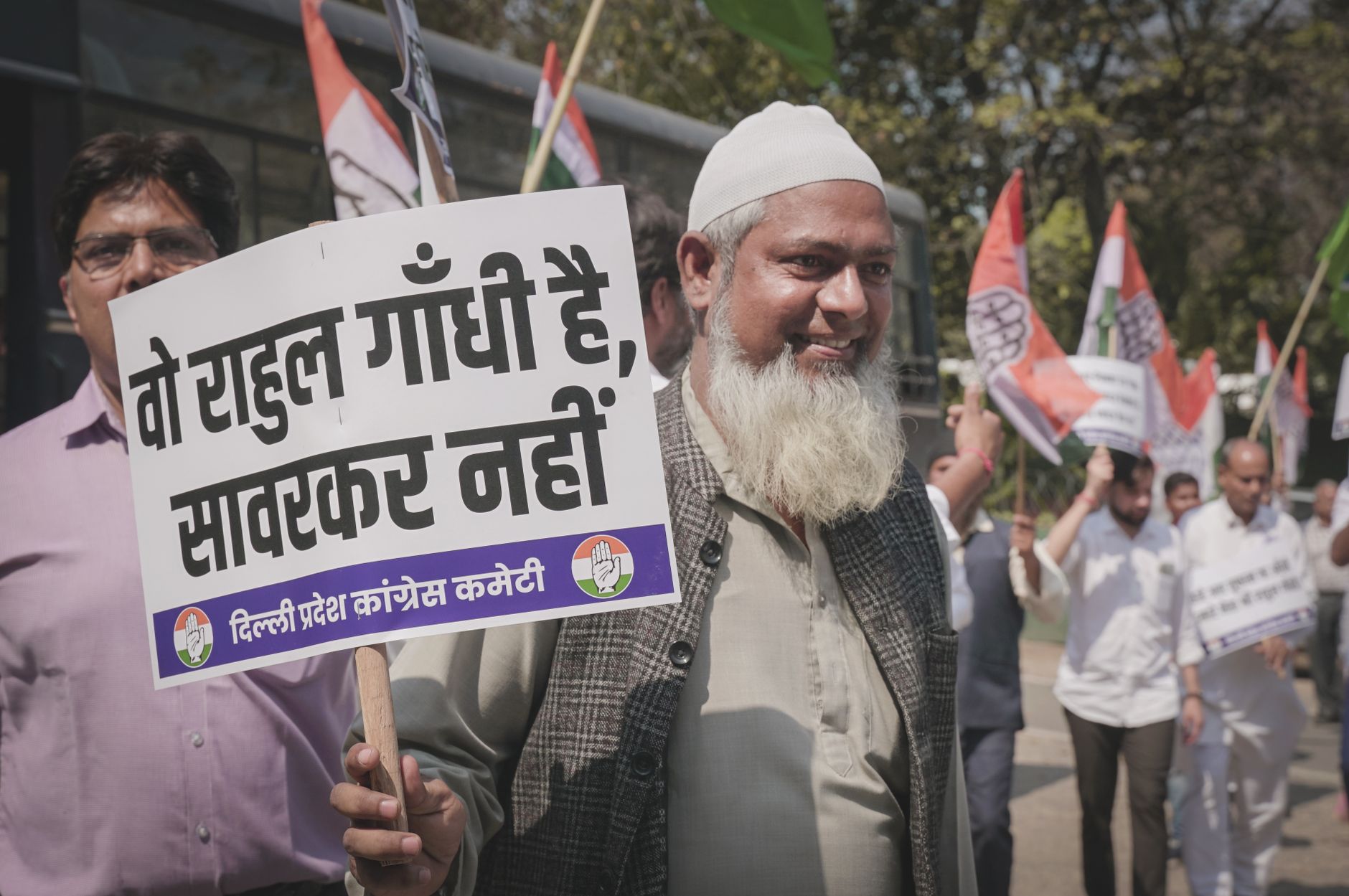
Mr. Gandhi, the Leader of Opposition in the Lok Sabha, highlighted the issue on social media, pointing out that ₹4,300 crore was received by ten anonymously registered parties in Gujarat. This revelation has sparked discussions about the integrity of the political donation system, especially as the country gears up for the 2024 Lok Sabha elections.
Implications for Indian Democracy
While the legal backdrop allows these transactions, the political implications are profound. Such financial manoeuvres could potentially skew the democratic process, favouring entities with little to no public mandate yet significant financial clout. The transparency of political funding remains a contentious issue, with calls for reform becoming more strident.
The BBC's findings have put the spotlight on the need for stricter regulations and greater accountability. As India navigates its complex electoral landscape, the balance between encouraging political diversity and ensuring fair play becomes ever more crucial.