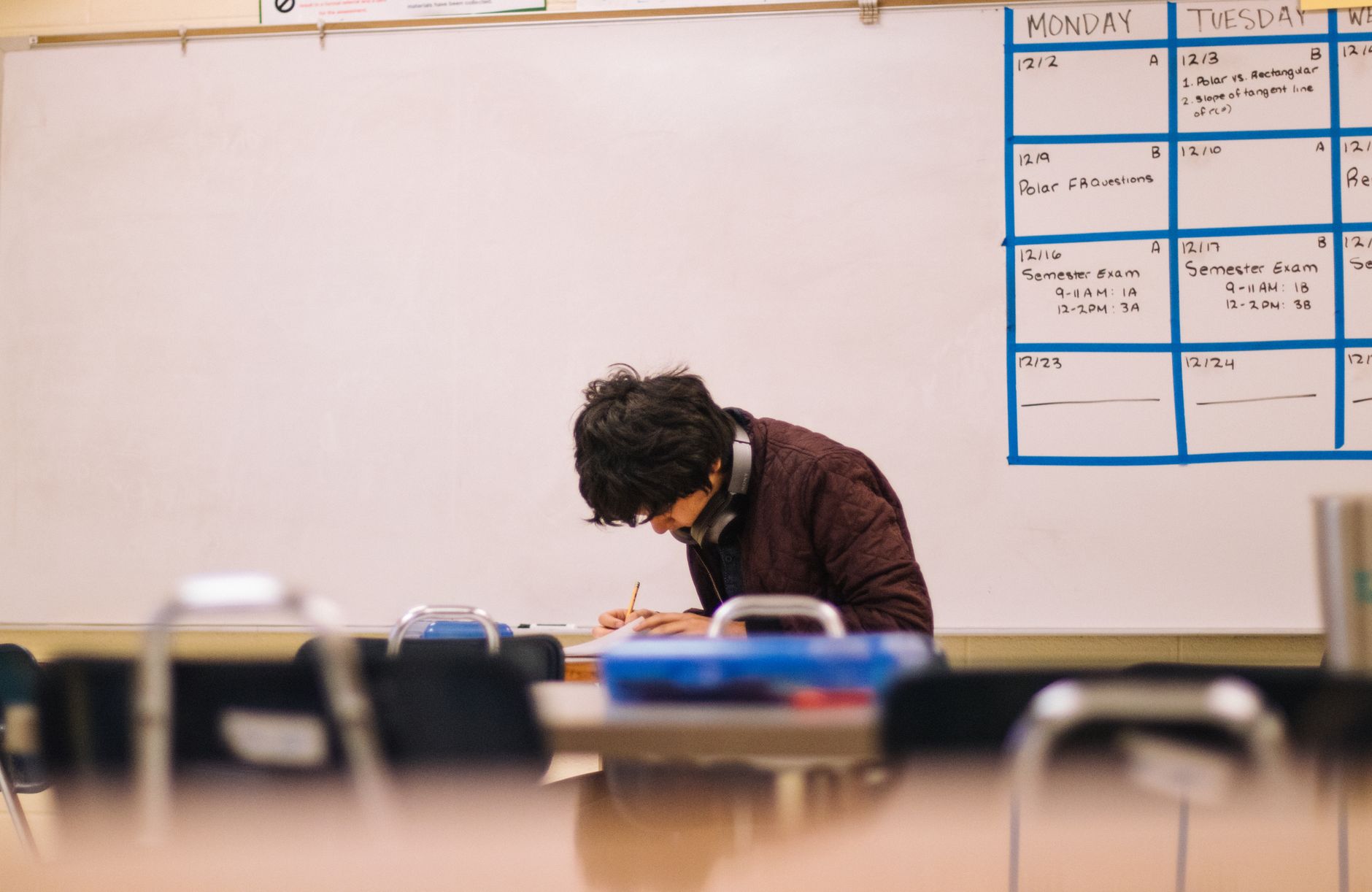
US Calculus Classes Start with Fractions Amid Falling Standards

In a development that may leave many scratching their heads, a professor at the University of California, Berkeley has raised the alarm over the preparedness of students enrolling in calculus courses. Professor Zvezdelina Stankova, a seasoned educator in the field, has expressed concern that many of her students are starting with a knowledge base more suited to early secondary education than to university-level calculus.
According to Professor Stankova, the students' lack of basic arithmetic and algebraic skills has become increasingly evident, forcing her to begin her calculus classes with lessons on fractions. She attributes this worrying trend to recent shifts in university admissions policies, particularly the move towards test-optional and test-blind admissions, which gained traction during the COVID-19 pandemic.
These policies, intended to broaden access to higher education, may have inadvertently lowered the bar in terms of academic preparedness. The professor's observations are symptomatic of a larger malaise affecting the educational system, not just in the United States, but globally. The emphasis on inclusivity and accessibility, while noble in intent, might be undermining the rigour of academic standards.
A Systemic Issue?
The implications of this trend are significant, particularly for fields that rely heavily on mathematics, such as engineering, physics, and computer science. As the world increasingly depends on technological and scientific advancements, the need for a robust mathematical foundation is more critical than ever.
However, the introduction of calculus with fractions is not only a reflection of individual student preparedness but also a critique of the educational pipeline leading up to university. The gaps in knowledge are not forming overnight; they are the result of cumulative deficiencies in the educational system, exacerbated by policies that fail to address core competencies.
While universities scramble to adapt to these challenges, the question remains: how can educational institutions balance inclusivity with the need for maintaining high academic standards? It’s a conundrum with no easy answers, but one that requires urgent attention if we are to equip future generations with the skills they need to thrive.