
US Dismantles Emission Limits for Power Plants in Bold Move
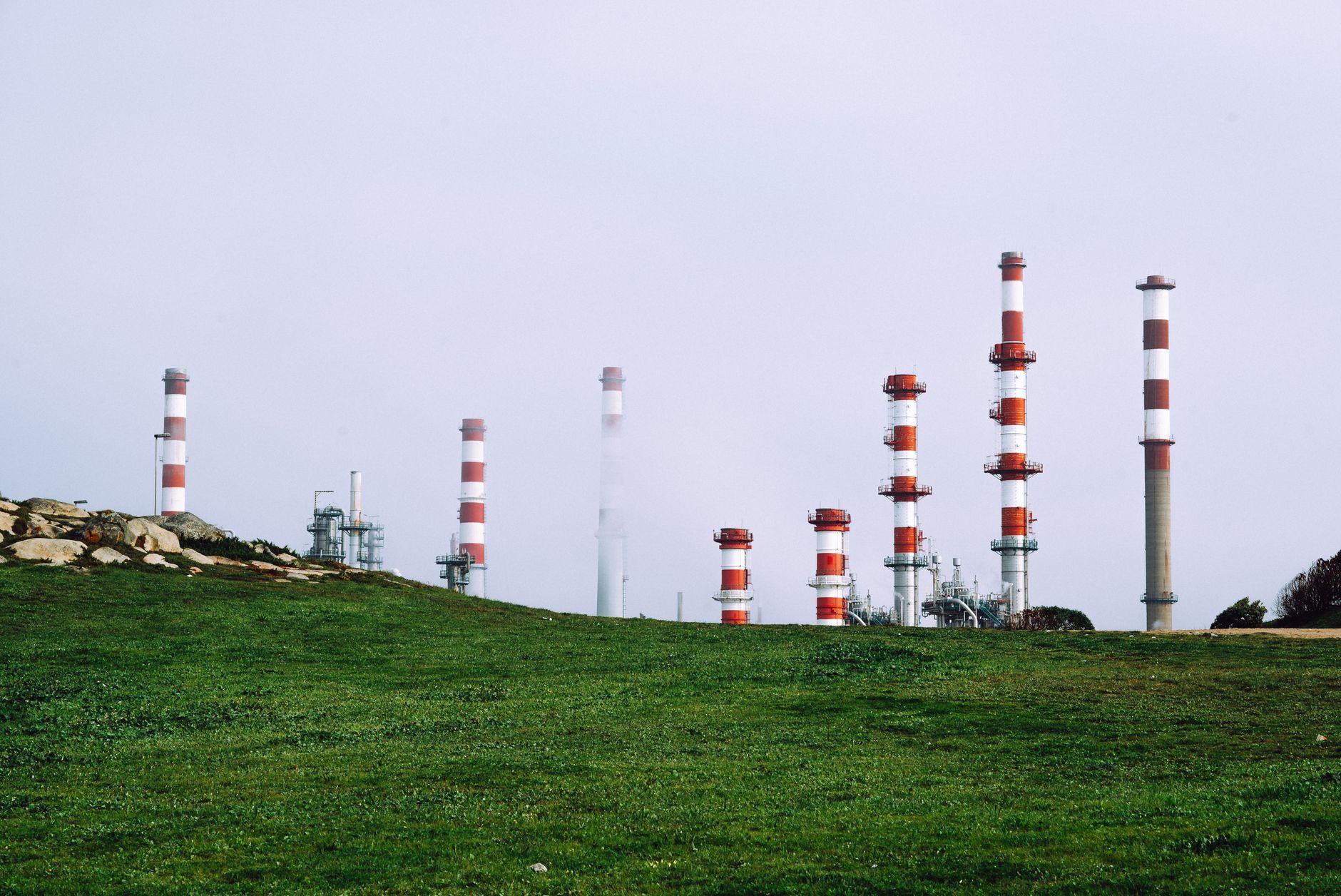
The United States has taken a step backwards in its environmental policy, as the Environmental Protection Agency (EPA) repealed rules limiting greenhouse gas emissions from power plants. These rules, originally designed to curb emissions from coal and gas facilities, have been dismantled under the guise of economic revival.
Power plants, the second largest source of these planet-warming emissions in the country, now face fewer restrictions. This decision, hailed by some industry leaders as a victory for economic interests, has drawn sharp criticism from environmentalists and scientists alike.
Environmental Concerns
Critics argue that the rollback of these regulations poses a significant threat to both the environment and public health. "We are undoing decades of progress," said an environmental activist, underlining the potential long-term impacts on climate change.
The move also undermines the US's standing in international climate agreements, where it had previously pledged to reduce emissions. Many fear this could set a precedent for other countries to follow suit, jeopardising global climate goals.
Economic Rationale
Proponents of the repeal argue that the move will revitalise industries and create jobs. "The previous rules were stifling economic growth," claimed a representative from the coal industry, suggesting that deregulation would lead to a more competitive market.
However, the economic benefits remain hotly debated. Critics point out that the long-term costs of climate change, including natural disasters and health impacts, far outweigh the short-term economic gains.
As the dust settles on this contentious decision, the future of US environmental policy hangs in the balance. The debate continues, with the world watching closely.


