US EPA Reversal on Emissions Standards Sparks Global Concern
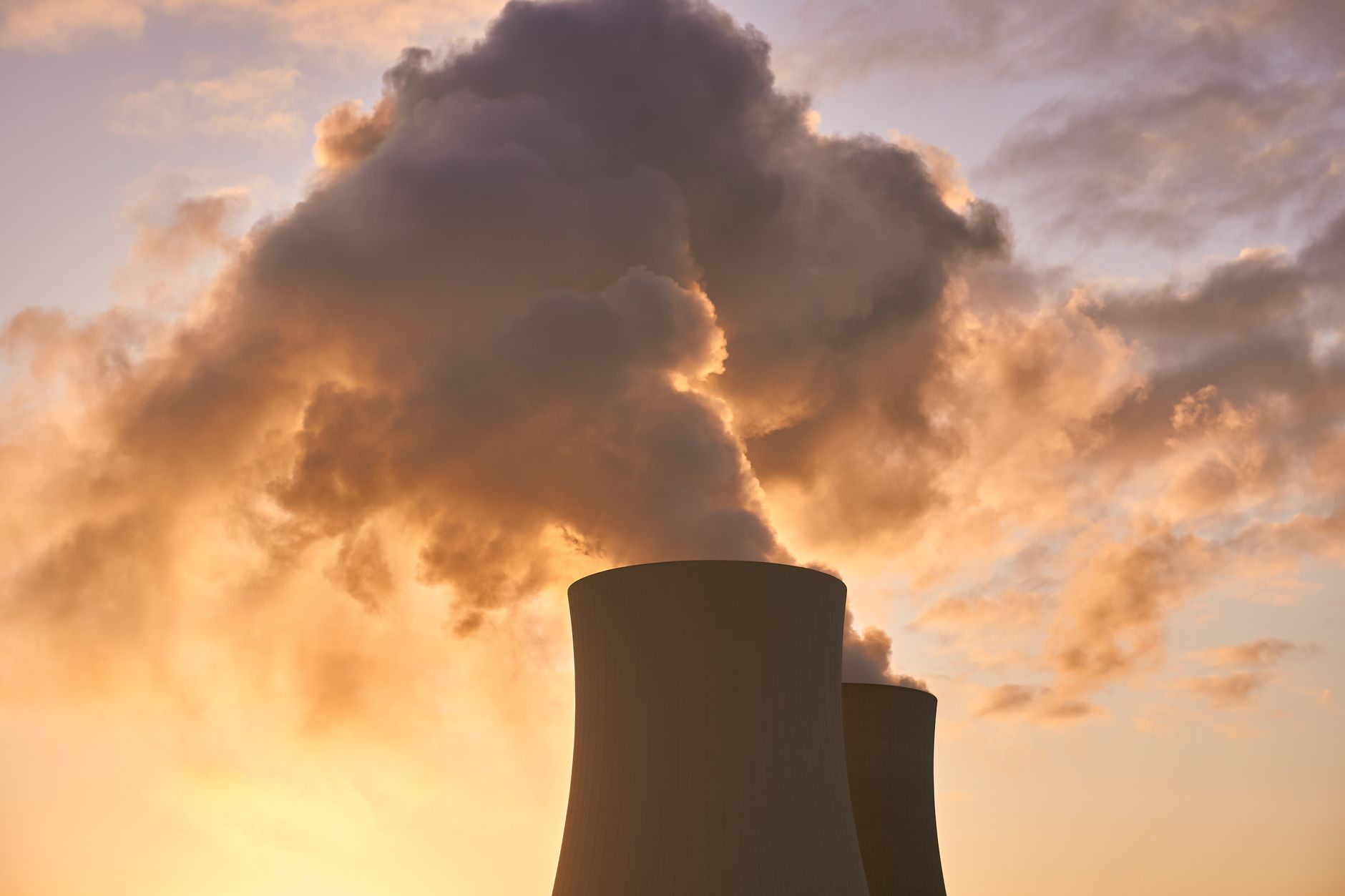
In a move that has raised eyebrows across the globe, the United States Environmental Protection Agency (EPA) has decided to repeal regulations that limit greenhouse gas emissions from coal and gas power plants. This action marks a significant departure from decades of environmental policies aimed at mitigating climate change.
Power plants are the second-largest source of greenhouse gas emissions in the United States, following closely behind the transportation sector. By dismantling these restrictions, the EPA has effectively opened the door for increased emissions of carbon dioxide, a major contributor to global warming.
Global Repercussions
The implications of this decision are likely to reverberate far beyond American borders. Environmentalists have expressed deep concern that this repeal could undermine international efforts to combat climate change, particularly as the world grapples with increasingly severe weather events and rising sea levels. European nations, in particular, have voiced their dismay, emphasising the need for coordinated global action against climate change.
Domestically, the move has sparked a fierce debate. Proponents of the repeal argue that it will reduce regulatory burdens on the energy sector, potentially lowering costs and fostering economic growth. However, critics counter that any short-term economic gains will be offset by the long-term environmental damage and the public health costs associated with increased pollution.
A Step Backward?
This decision represents a significant shift in the United States' environmental policy, one that many see as a step backward in the fight against climate change. The EPA's repeal comes at a time when scientific consensus is clear: immediate and sustained action is necessary to prevent the most catastrophic effects of global warming.
The debate over the balance between economic interests and environmental responsibility is likely to continue, but the stakes have never been higher. As the world watches the United States' next moves, the question remains: can economic growth and environmental stewardship coexist?