US Poised to Influence India's Nuclear Ambitions
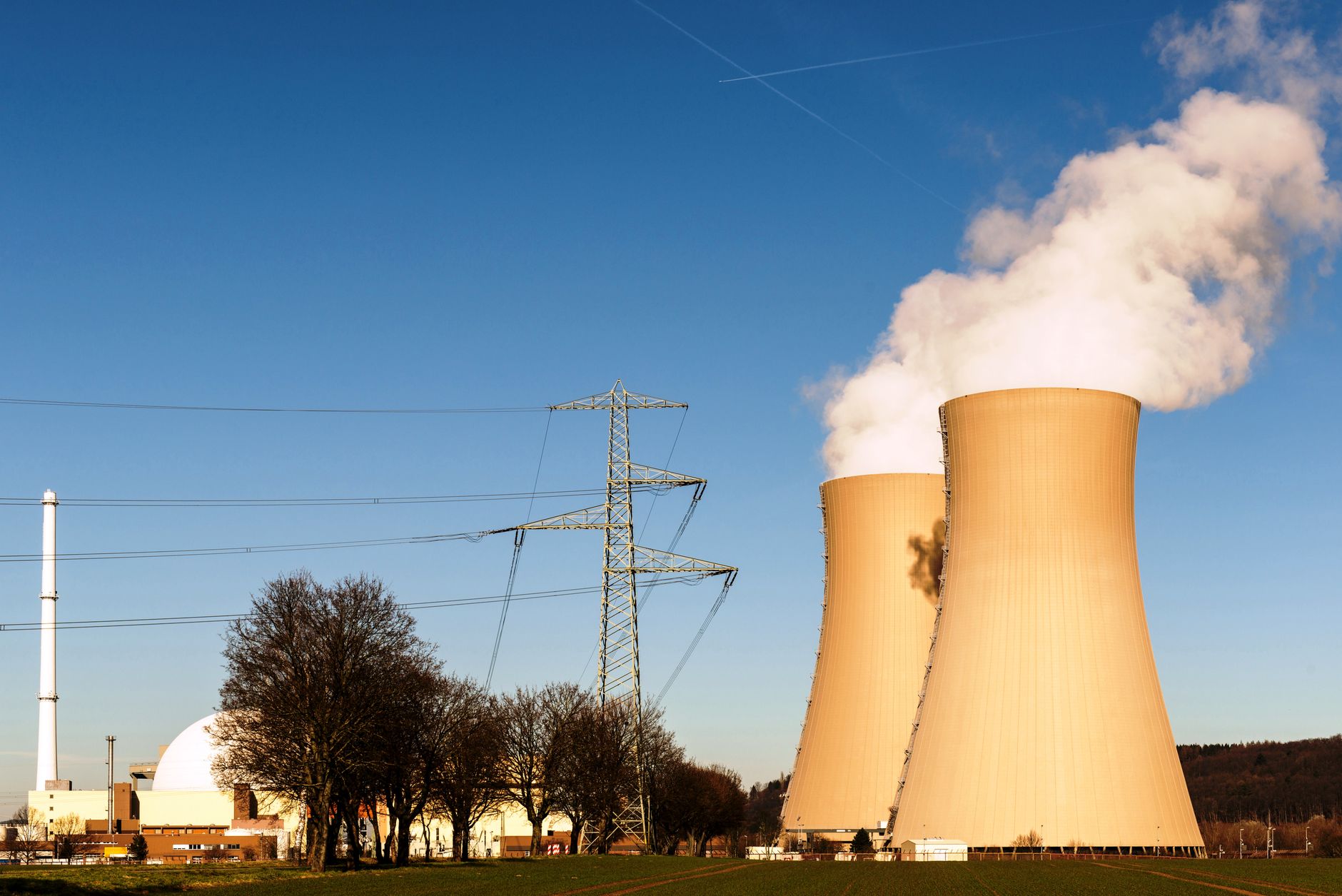
In a strategic manoeuvre that could reshape the dynamics of global nuclear energy, the United States is positioning itself as a pivotal player in India's burgeoning nuclear power industry. With New Delhi's recent legislative reforms, encapsulated in the SHANTI Act, the stage is set for unprecedented foreign investment and technological collaboration.
The SHANTI Act, which repeals the outdated Atomic Energy Act of 1962, marks a turning point by welcoming private players into India's atomic energy sector. Crucially, it allows up to 49% foreign direct investment, a move that hasn't gone unnoticed by American firms eager to stake their claim in this promising market.
India has set an ambitious target of ramping up its nuclear capacity to 100 gigawatts over the coming decades. To achieve this, the country needs not just capital but cutting-edge technology, particularly in the realm of small modular reactors (SMRs). These reactors offer a more flexible and scalable solution, and American companies are well-placed to provide both the expertise and the equipment required.
While the potential for economic gain is substantial, the partnership could also strengthen diplomatic ties between the two nations. Nuclear cooperation has long been a cornerstone of US-India relations, and this new phase could further cement their strategic alliance.
However, challenges remain. Implementing the new regulatory framework will require careful navigation to ensure safety and compliance, particularly in a sector as sensitive as nuclear energy. Yet, the promise of mutually beneficial outcomes seems to outweigh the risks, as both countries look to forge a path towards a more sustainable and secure energy future.