US Police Raise Concerns Over Meta Smart Glasses Misuse
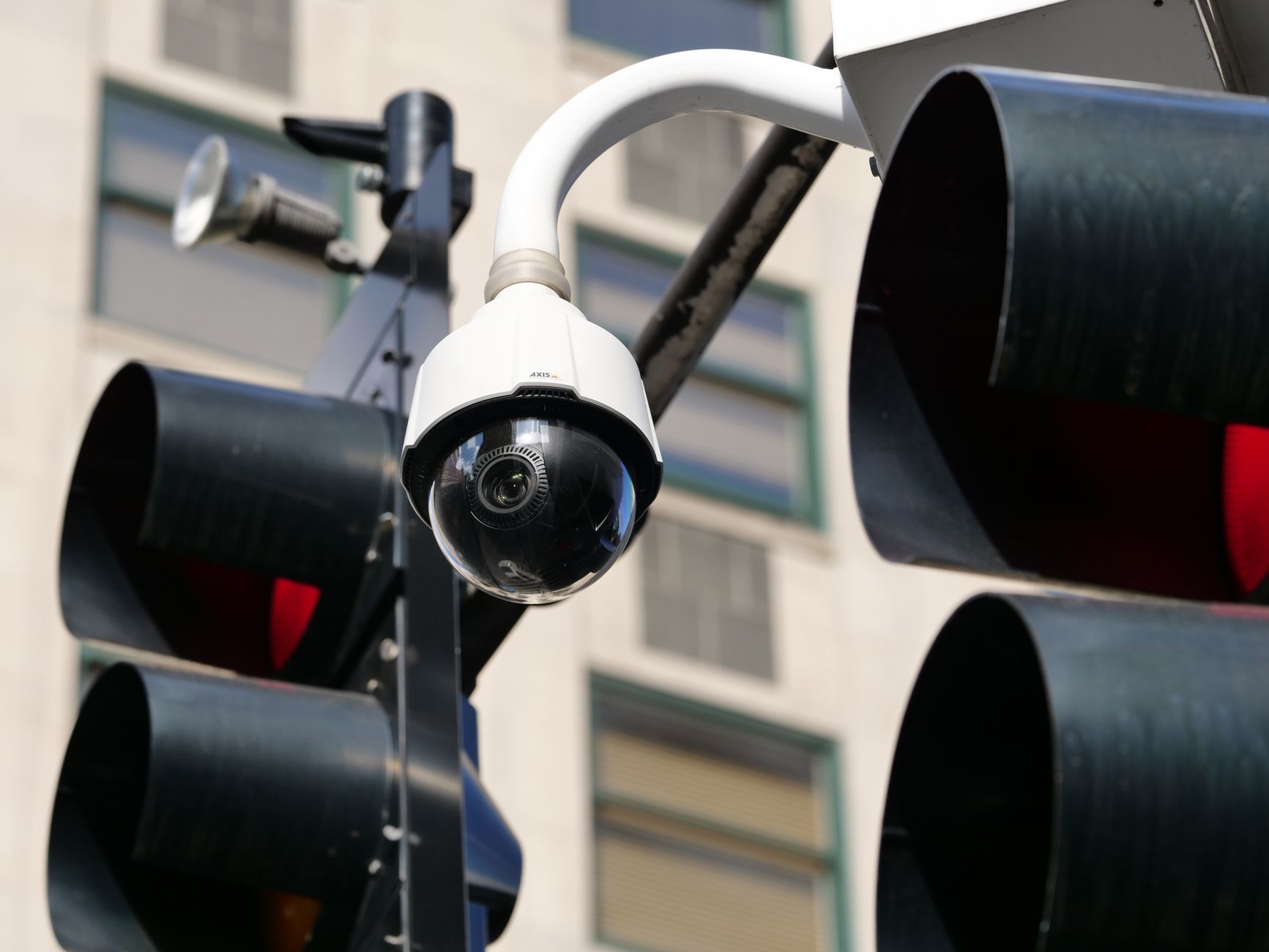
In an age where technology and privacy are in constant conflict, Meta's latest innovation has sparked a wave of anxiety across US law enforcement agencies. The camera-equipped smart glasses, seemingly innocuous, are feared to be tools of covert surveillance, potentially undermining policing efforts and posing security risks.
Documents reviewed by The Guardian reveal widespread concerns from officers across the country, from Maine to California. The apprehension is not unfounded; the ability to discreetly record anything within one's line of sight raises significant questions about privacy and security. While the glasses themselves are marketed as cutting-edge technology for seamless integration into daily life, their implications for law enforcement are anything but trivial.
Privacy vs. Security
The core of the issue lies in balancing the benefits of technological advancements with the potential for misuse. The New York Police Department, among other agencies, has expressed fears that these glasses could be used to record officers without consent, infiltrate secure facilities, or even orchestrate criminal activities. Memos have been shared with the Department of Homeland Security, illustrating how these devices could be misused to gather intelligence unlawfully.
Privacy advocates argue that the benefits of such technology could include enhanced personal safety and improved access to information. However, the potential for abuse looms large, prompting calls for stringent regulations. The challenge is ensuring that innovation does not outpace the laws designed to protect both privacy and public safety.
Technological Oversight
As technology evolves, so must the frameworks that govern its usage. The concerns surrounding Meta's smart glasses highlight a broader issue: the need for proactive measures to address the ethical and legal implications of new technologies. Law enforcement agencies are urging tech companies to consider these aspects before launching products that might inadvertently become tools of crime.
In the meantime, the debate continues. As Meta and other tech giants push the boundaries of what's possible, the onus is on regulators and lawmakers to establish clear guidelines that safeguard public interest. The case of Meta's smart glasses serves as a reminder that with great power comes great responsibility—not just for the users, but for the creators of such technology as well.