US Rollback on Emissions Limits Sparks Environmental Concerns
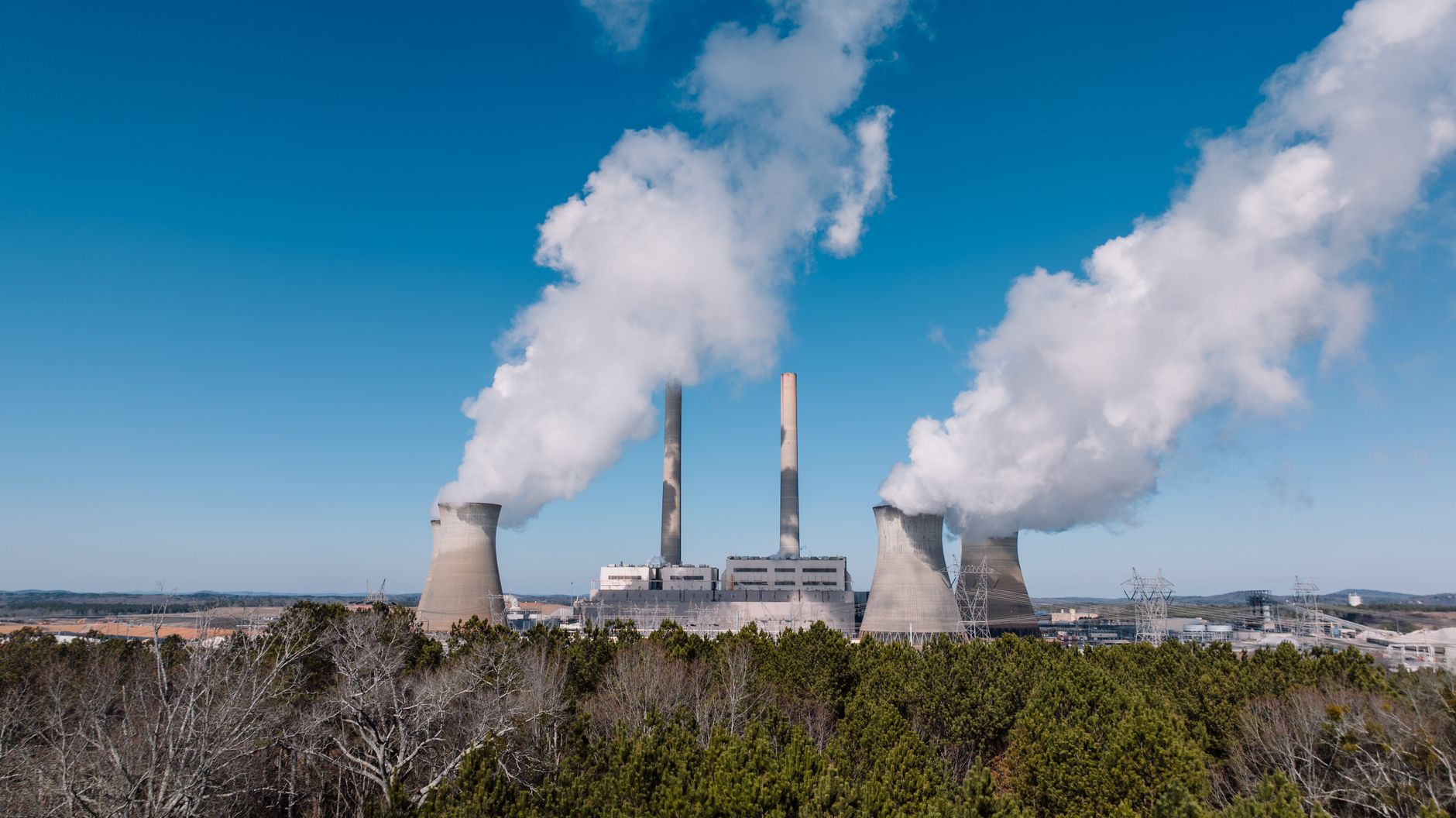
In a move that has set environmentalists on edge, the United States has repealed longstanding regulations that limited greenhouse gas emissions from coal and gas power plants. The Environmental Protection Agency (EPA) announced the rollback, citing a potential saving of over $300 billion for the industry and promising to 'unleash' American energy.
This decision marks a pivotal departure from previous efforts to curb planet-warming emissions, a cornerstone of the Biden administration's climate policy. Under the now-defunct rules, emissions were to be cut by an estimated one billion metric tonnes by 2047.
Economic Imperatives vs. Environmental Concerns
The EPA's decision reflects a broader shift towards prioritising economic growth over environmental safeguards. Proponents argue that loosening these regulations will revive the coal industry and bolster domestic energy production. However, critics contend that the environmental cost could far outweigh the economic benefits.
Environmental groups have voiced their disapproval, warning that this move undermines crucial efforts to tackle global warming. The rollback comes amid growing scientific consensus on the urgent need to reduce carbon emissions to mitigate catastrophic climate impacts.
A Global Perspective
The United States' retreat from stringent emissions standards may have implications beyond its borders. As a major emitter, its policies influence global climate strategies. The decision could set a precedent for other nations grappling with balancing economic and environmental interests.
While the EPA defends its decision as a boon for the economy, environmental advocates insist that sustainable growth and ecological responsibility are not mutually exclusive. The challenge remains to reconcile these competing priorities in the face of a warming planet.