US Sounds Alarm Over Health Risks in Cuba Amid Crippling Crises
As the sun sets over Havana, the city plunges into a darkness that is all too familiar. Power cuts have become routine, a grim testament to the worsening crisis gripping Cuba. Amidst this backdrop, the United States embassy has issued a stark health alert, warning of rising cases of diarrhoeal and other intestinal illnesses.
The health alert comes as no surprise to those familiar with the island's travails. Power outages, exacerbated by stringent US sanctions and a fuel blockade, have crippled essential services. The electricity grid's collapse has disrupted water supply, hindered food storage, and left refrigeration systems inoperable.
Impact on Public Health
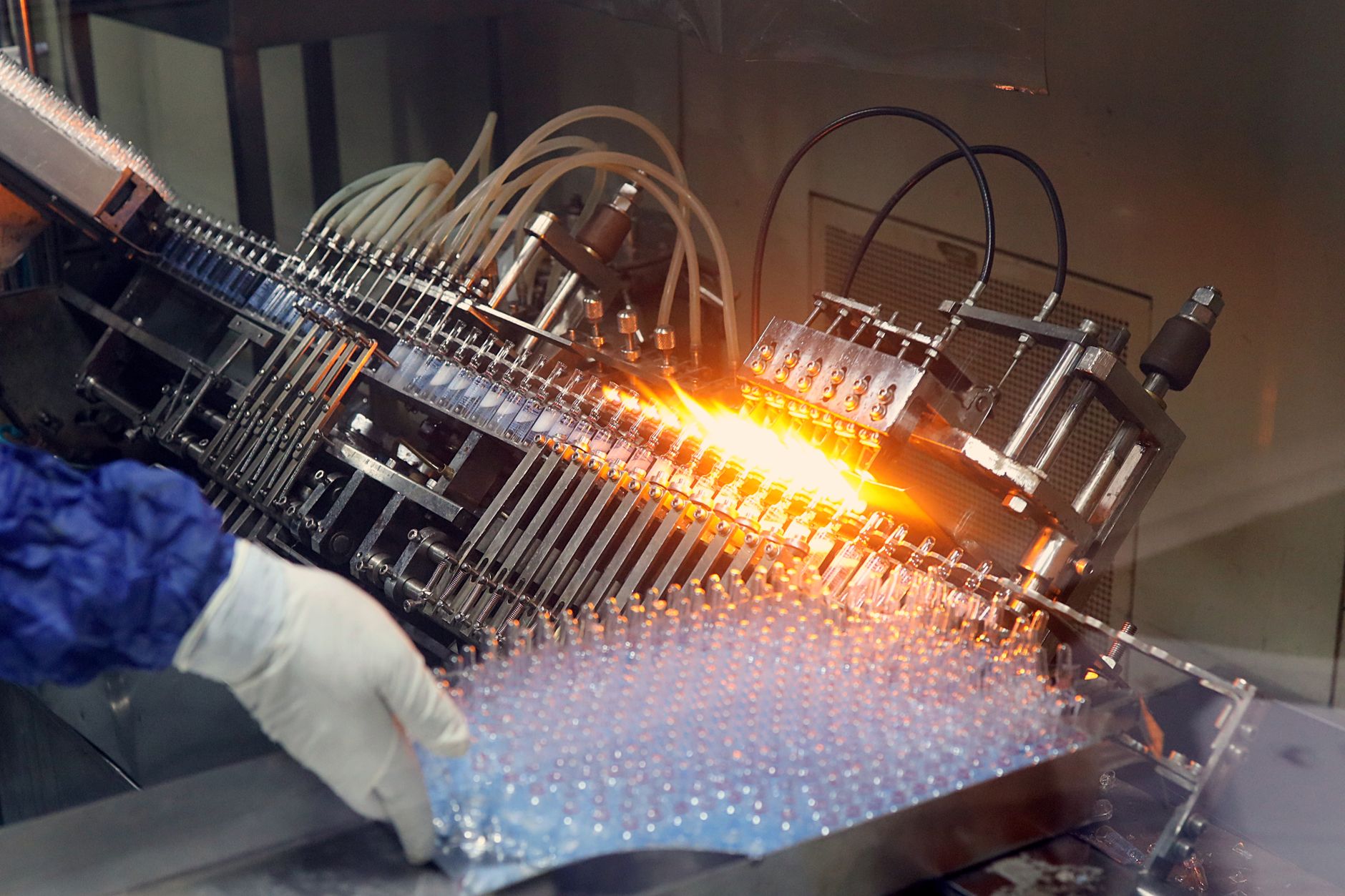
The consequences for public health are dire. The healthcare system, already stretched to breaking point, is faltering under the weight of the crisis. Medicines for chronic conditions like hypertension and diabetes are in short supply, and patients face uncertain futures without reliable access to treatment.
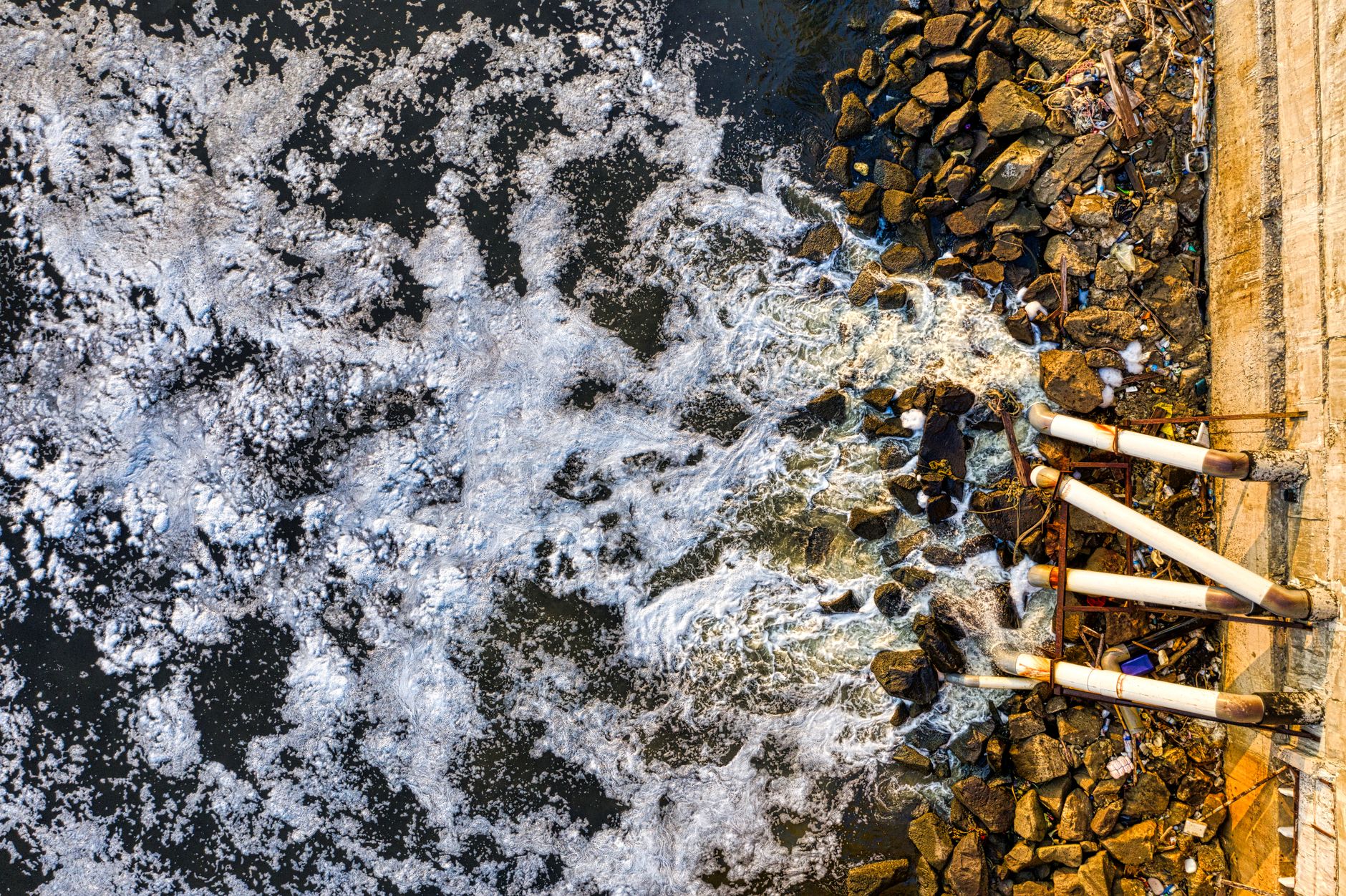
The World Health Organisation has sounded alarms about possible disease outbreaks, pointing to water contamination and inadequate sanitation. Garbage accumulation adds another layer of risk, breeding grounds for diseases that flourish in such environments.
Living with Uncertainty
For the people of Havana and beyond, life is a daily struggle. The US embassy's advisory urges Americans on the island to conserve resources and brace for further disruptions. Yet, for many Cubans, such measures are part of a bleak routine.
As winter approaches, the spectre of a humanitarian crisis looms large. The island's resilience is being tested like never before, with no clear path to relief. The international community watches, aware that the implications of Cuba's struggles extend beyond its shores, potentially destabilising the region.