V2V Technology: A New Era of Crash Warnings from 2028
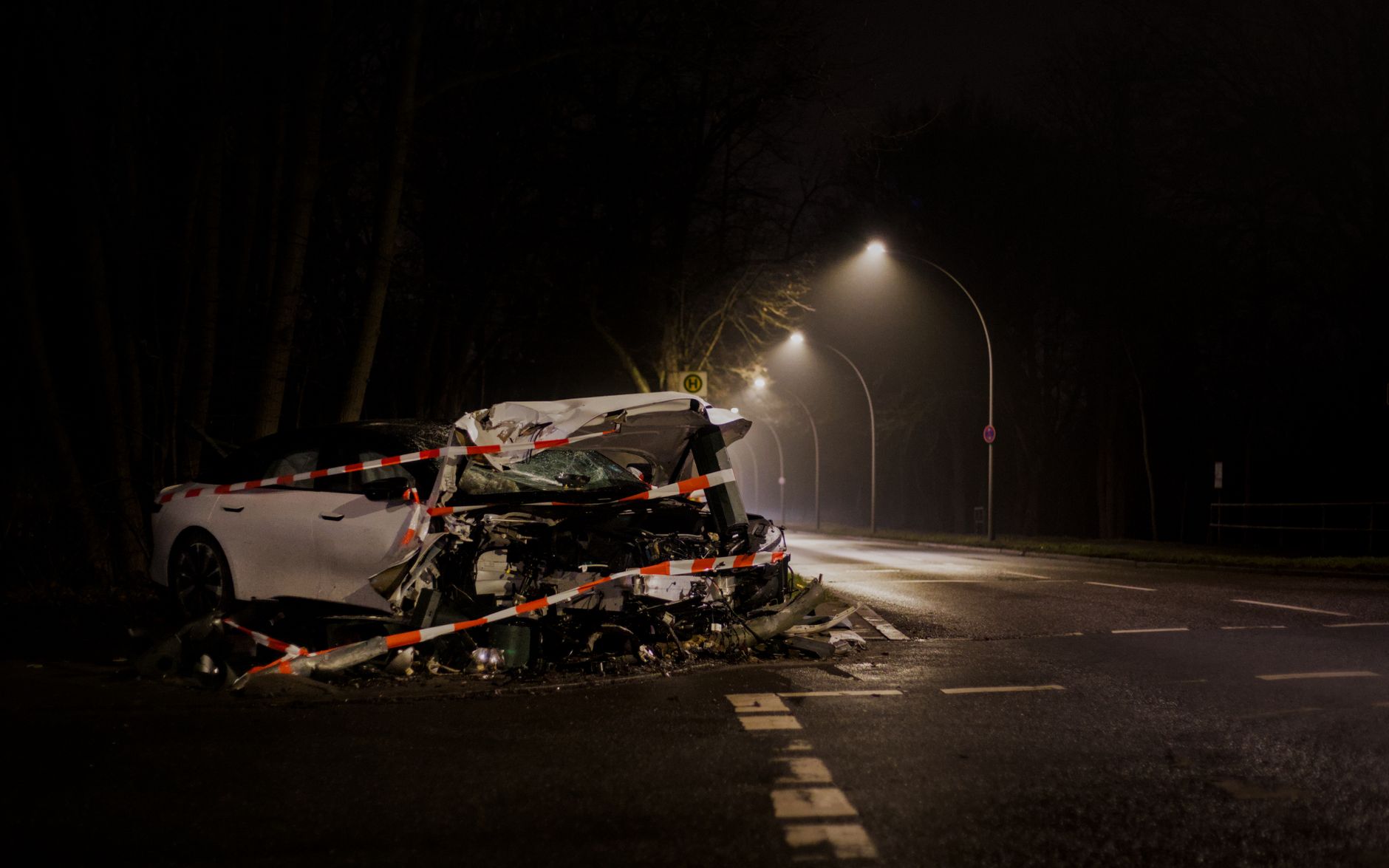
In a move set to transform road safety, all new vehicles manufactured post-October 2028 will come equipped with Vehicle-to-Vehicle (V2V) communication systems. This technological leap allows cars to communicate with each other, sharing vital information about speed, position, and direction.
Unlike traditional safety systems that rely on cameras and radar, V2V technology offers a proactive approach to accident prevention. By permitting cars to exchange data in real time, drivers receive warnings about potential hazards before they are visible. Imagine being notified of a vehicle running a red light or an upcoming traffic jam, giving you precious seconds to react.
The Road to Safer Journeys
This initiative, mandated by the government, is part of a broader strategy to enhance connected technologies on our roads. It builds upon the AIS-230 standard, which outlines the technical and security requirements for V2V systems. Vehicles will operate on the 5.875 GHz to 5.925 GHz frequency band, ensuring swift and reliable data transfer.
By 2027, V2V systems will be standard in certain vehicle categories, with a full rollout expected by the following year. This phased introduction will help manufacturers and consumers transition smoothly to this new safety paradigm.
Beyond the Dashboard
The implications of V2V technology extend beyond individual safety. By reducing the likelihood of collisions, it could lead to fewer traffic disruptions and potentially lower insurance premiums. The technology also has the potential to integrate with other smart infrastructure developments, paving the way for intelligent transport systems.
As we stand on the brink of this technological evolution, the benefits are clear. Not only could V2V communication make our roads safer, but it also represents a significant step forward in the quest for smarter, more connected urban environments.