Vehicles to Communicate: V2V Tech Set for 2028 Rollout
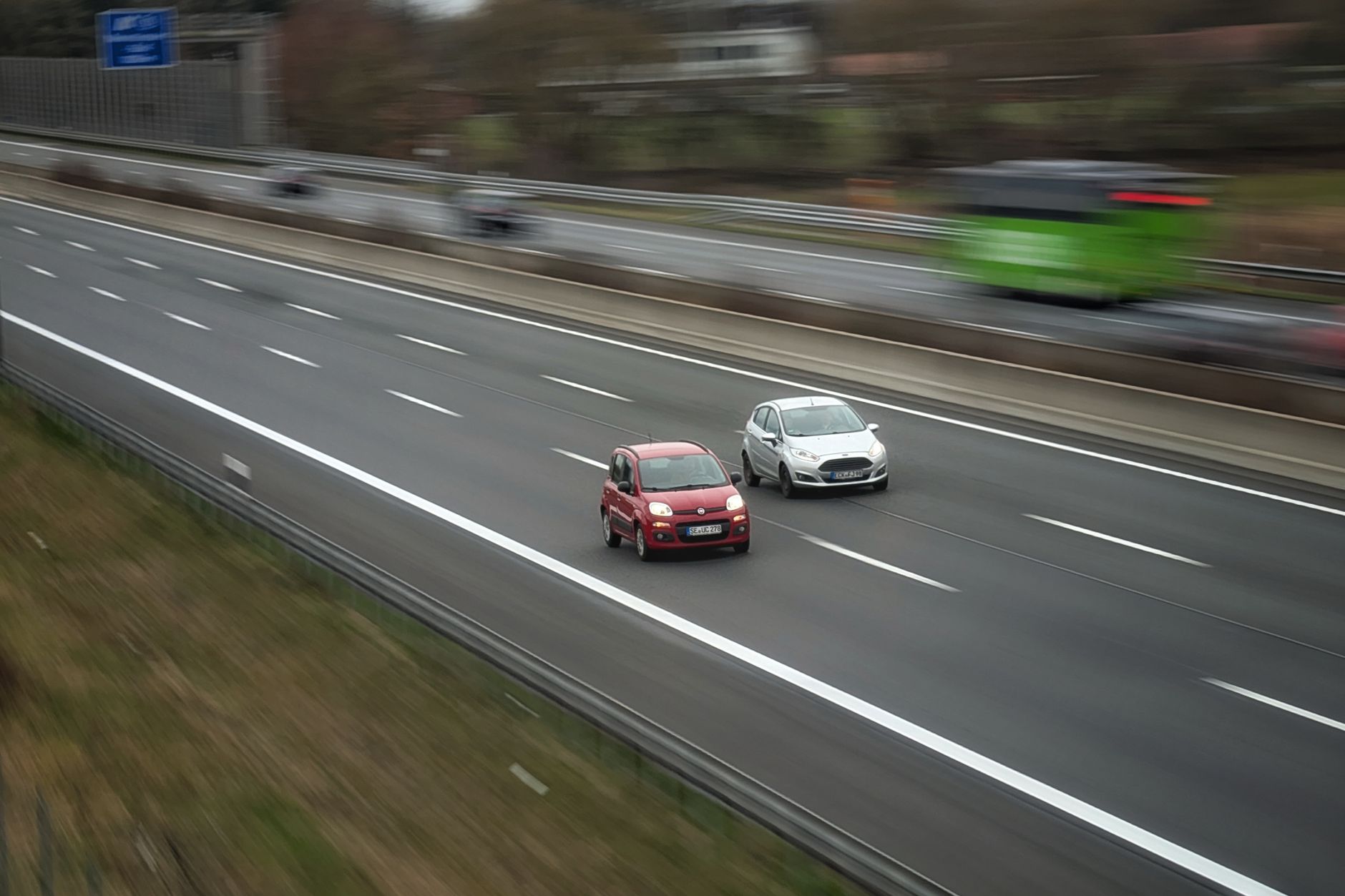
Imagine a world where cars chat amongst themselves. Not idle gossip, mind you, but vital exchanges about speed, direction, and imminent dangers. This vision moves closer to reality as Vehicle-to-Vehicle (V2V) communication is set to become a standard feature in new vehicles from October 2028.
Unlike conventional safety systems that rely on cameras and radar, V2V technology allows vehicles to wirelessly share critical information with each other. This advanced communication aims to alert drivers to potential hazards well before they come into view, providing a new layer of safety on the roads.
The government's mandate for V2V systems, set to take effect from October 2028, marks a significant leap forward in road safety measures. The initiative is part of a broader strategy to reduce accident risks by leveraging connected technologies. A phased rollout will see new cars equipped with this technology, conforming to the AIS-230 standard.
Why V2V Matters
By enabling real-time information exchange, V2V technology could drastically reduce the likelihood of collisions. When a car brakes suddenly, nearby vehicles will be instantly alerted, allowing them to react more swiftly than a human driver might. This is particularly crucial in adverse weather conditions or congested traffic, where visibility is compromised.
Furthermore, as vehicles increasingly adopt V2V systems, the cumulative effect could be transformative. Roads would become safer, and traffic flow more efficient, potentially reducing congestion and emissions. The promise of such benefits drives the government's push for this technology.
The Road Ahead
Implementing V2V technology is not without its challenges. Concerns about data privacy and cybersecurity need addressing to ensure the system's integrity and public trust. Moreover, the transition period requires careful management to avoid disparities between older and newer vehicles on the roads.
Nevertheless, the adoption of V2V technology represents a pivotal moment in the evolution of automotive safety. By 2028, as new vehicles come equipped with this capability, the roads may indeed become a safer place, paving the way for future innovations in transport technology.