Venezuela's Earthquakes: Health and Environmental Challenges Loom
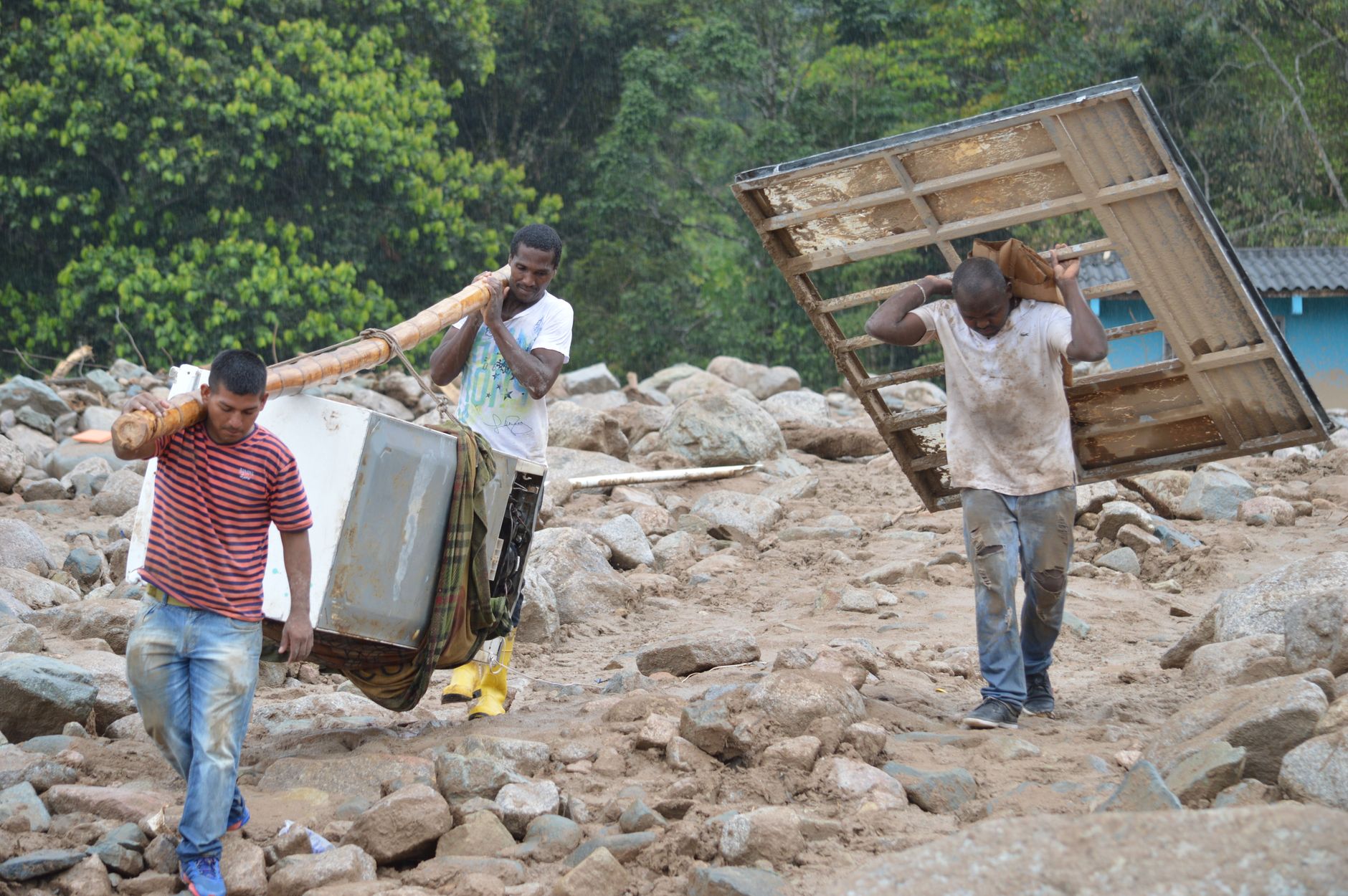
The air in La Guaira, a coastal enclave of Venezuela, is thick with dust and uncertainty. A month after the twin earthquakes struck, leaving devastation in their wake, the community finds itself grappling with a new kind of crisis. The hum of heavy machinery is a constant reminder of the ongoing battle against debris, but it's not just the physical landscape that bears the scars of the disaster.
Health Risks Mount
Even as the death toll climbs to nearly 3,900, health concerns are taking centre stage. The aftereffects of the earthquakes have created fertile ground for disease outbreaks. Dust from collapsed buildings mixes with the air, posing respiratory threats, while compromised water supplies increase the likelihood of waterborne illnesses.
Regional health agencies have sounded the alarm, urging swift action to mitigate the risks. The need for clean water and safe sanitation facilities is dire, yet the logistical challenges of delivering aid to affected areas are immense. The government's response, though earnest, is hampered by economic constraints and infrastructure damage.
Environmental Concerns
On the environmental front, the situation is equally precarious. The earthquakes have altered the geography of the region, with landslides and soil erosion becoming more frequent. This not only threatens local ecosystems but also complicates recovery efforts. Rebuilding must consider these environmental shifts, lest future calamities amplify the current plight.
In the meantime, communities are relying on a patchwork of local and international aid to navigate both the visible and invisible challenges. The resilience of the Venezuelan people is palpable, yet the road to recovery is long and fraught with hurdles. As the immediate dust begins to settle, the focus must shift to sustainable solutions that address both health and environmental vulnerabilities.