Vice Chancellor Warns: Environmental Harm Threatens Society's Foundations
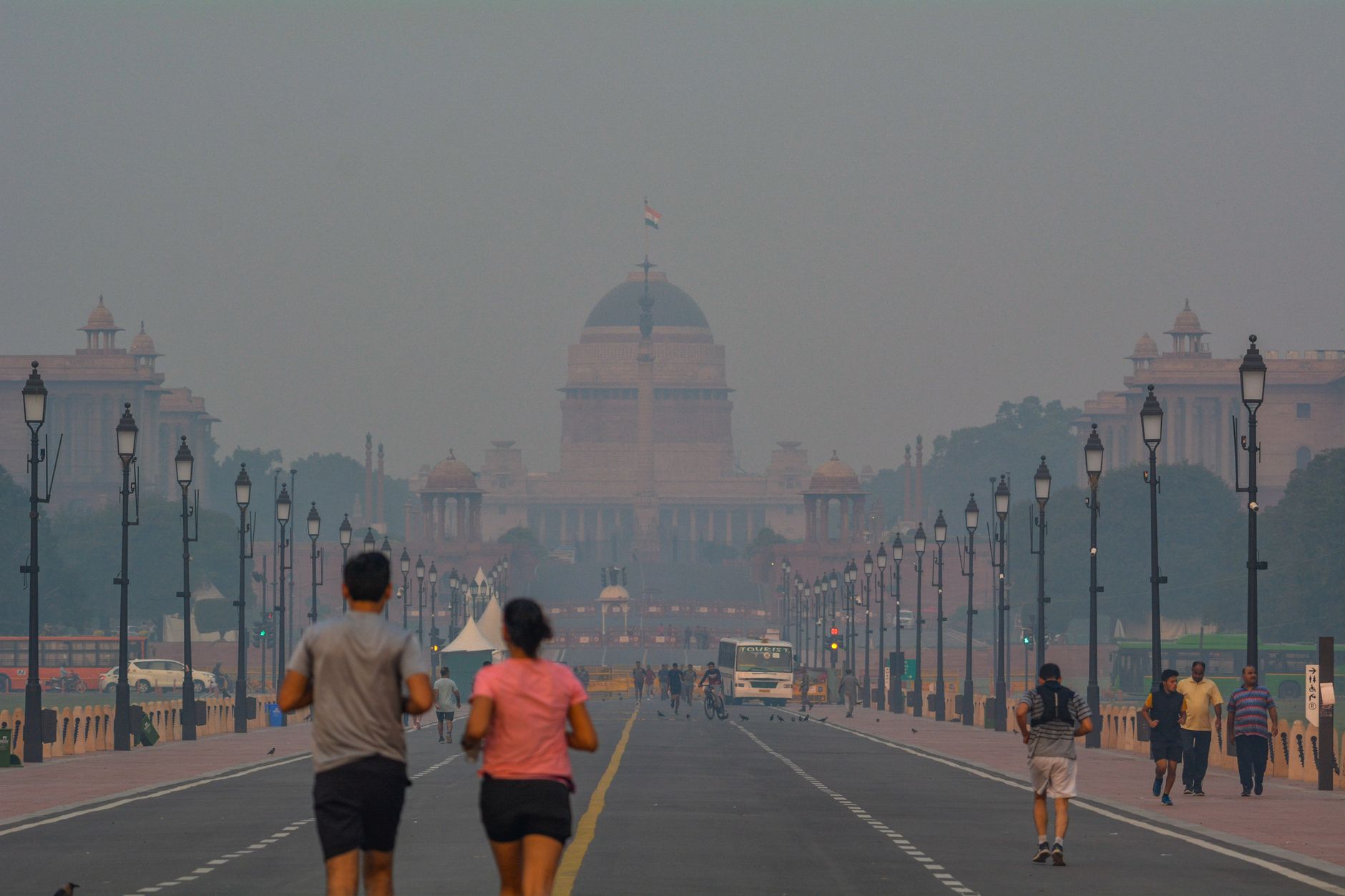
In a candid address, Vice Chancellor Shakil Ahmad Romshoo of the Islamic University of Science and Technology (IUST) has drawn attention to the pernicious effects of environmental degradation on society. With the air thick with pollution and rivers struggling under the weight of waste, Romshoo's warnings are far from hyperbole.
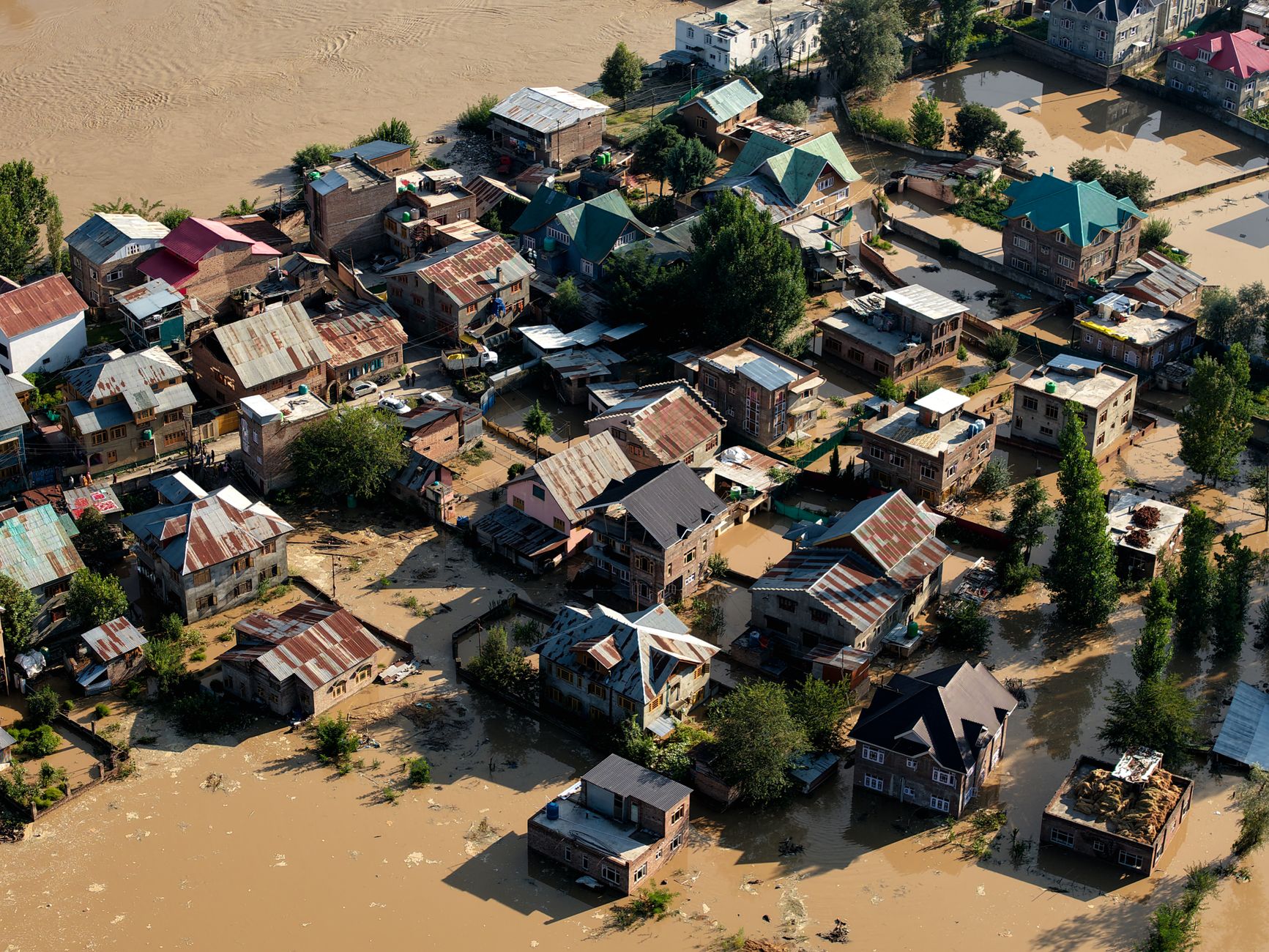
Speaking at a recent conference, he underscored the multifaceted ways in which environmental harm diminishes societal well-being. "Jammu and Kashmir, like many other regions, is on the frontline," he remarked, pointing to the visible impacts of climate change already unfolding in the area.
Intergenerational Justice at Stake
Romshoo elaborated on the urgent need to address these environmental challenges not just as a local issue, but as a global imperative. The degradation affects not only the current quality of life but also poses formidable questions of intergenerational justice. "What legacy are we leaving for our children?" he asked rhetorically, a question that resonated deeply with the audience.
His concerns are particularly poignant in light of evidence indicating rising household expenditures due to health-related issues caused by pollution. Furthermore, declines in labour productivity and resilience have been noted, adding economic strain to the environmental crisis.
Social Impact Beyond Ecology
Beyond the immediate ecological concerns, Romshoo highlighted the social ramifications, particularly on women, who often bear the brunt of environmental degradation. The construction of hydroelectric dams, for instance, while beneficial in energy terms, has led to the displacement of numerous communities, disrupting lives and livelihoods.
In conclusion, Romshoo called for a concerted effort to adopt sustainable practices, emphasising the importance of waste management and the separation of different types of waste. "We owe it to ourselves and future generations to act decisively," he said, urging policymakers and citizens alike to heed the warning signs.