Vice Chancellor Warns of Society's Peril from Environmental Harm
In an era where environmental concerns often find themselves relegated to the background of political discourse, Professor Shakil Romshoo of the Islamic University of Science and Technology has sounded an alarm bell that resonates beyond academic circles. Speaking at the 'Nature-Based Solutions for Enhanced Climate Resilience and Livelihood in Himalayas' conference, the Vice Chancellor painted a dire picture of societal ramifications resulting from environmental degradation.
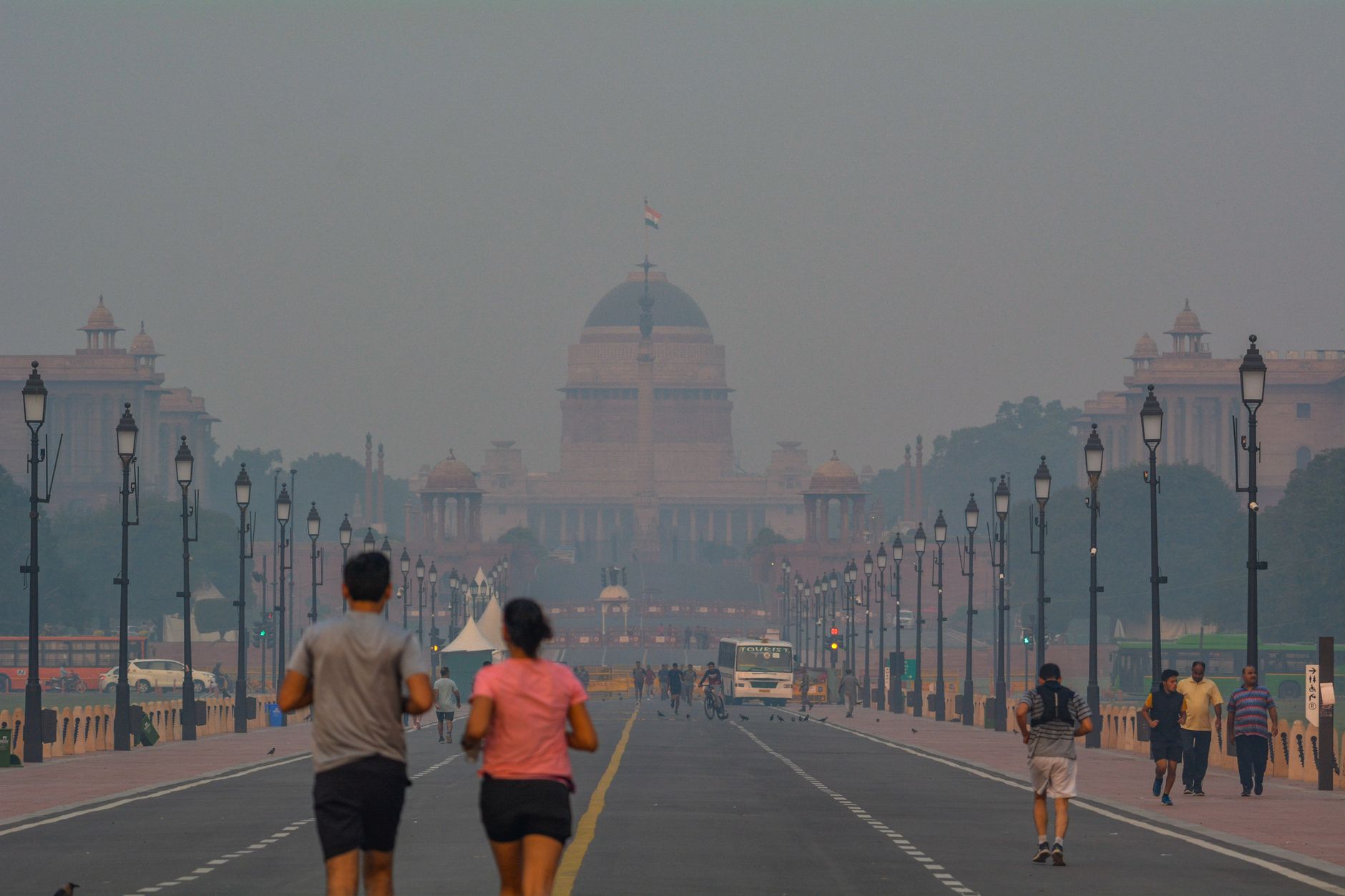
With pollution levels in the air reaching unprecedented heights and rivers choking on waste, Romshoo’s observations are not mere academic musings. He highlighted deforestation, unchecked urbanisation, and industrial activities as the primary culprits behind the deteriorating state of our environment. According to the Vice Chancellor, these activities have not only accelerated climate change but have also exacerbated social inequalities by disproportionately affecting the most vulnerable populations.
The Himalayan Context
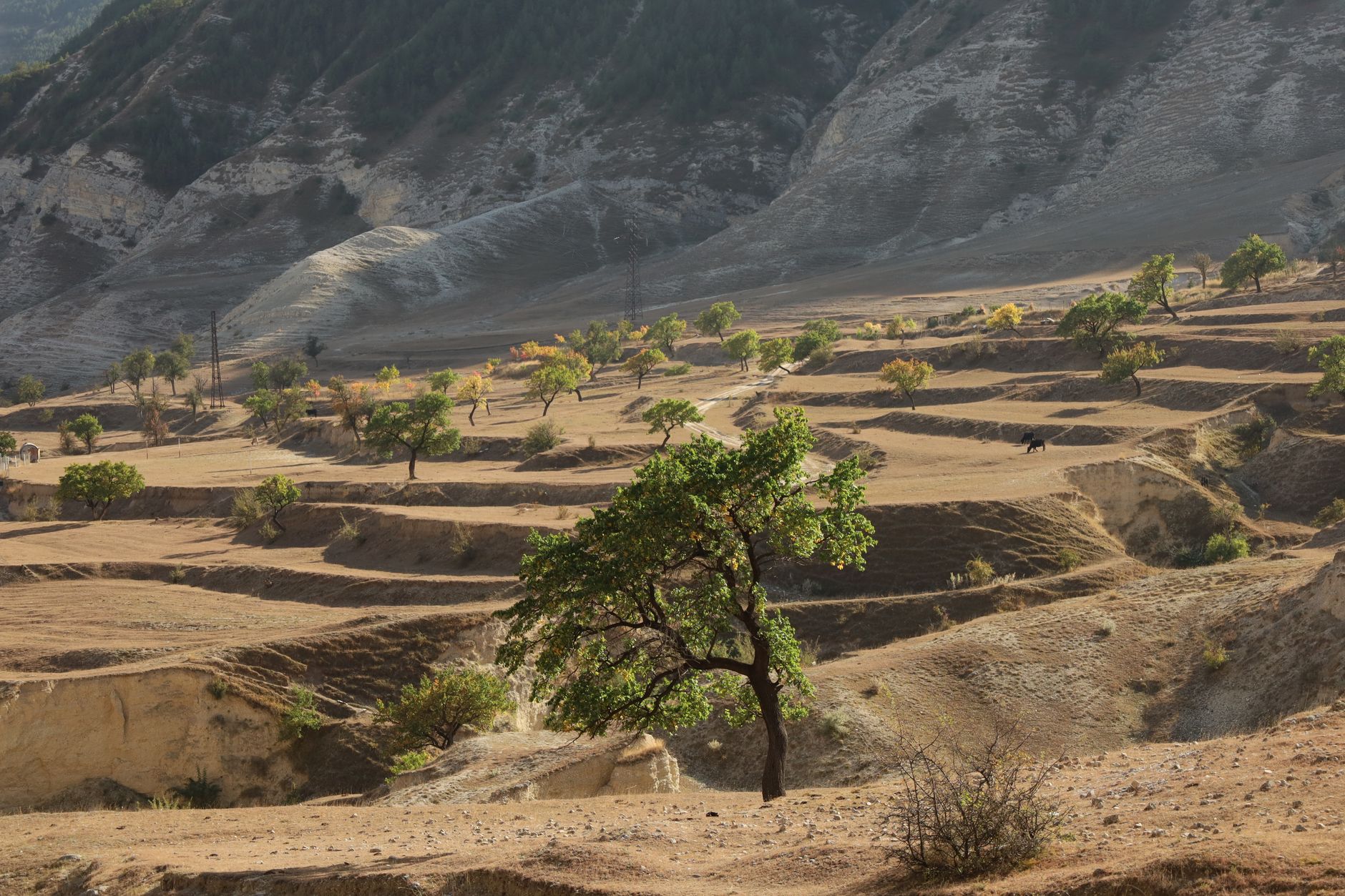
The Himalayas, often referred to as the 'Third Pole', are particularly susceptible to the impacts of climate change. Romshoo emphasised the need for immediate action, pointing out that the melting glaciers and erratic weather patterns are already wreaking havoc on local communities. The conference underscored the potential of nature-based solutions, which include the restoration of natural ecosystems, to mitigate these effects.
Romshoo’s call to action is grounded in the belief that sustainable development must integrate environmental considerations. The degradation of these ecosystems not only threatens biodiversity but also undermines the livelihoods of those dependent on these natural resources.
Global Implications of Local Actions
While the focus was on the Himalayas, Romshoo’s message is one of global resonance. The environmental challenges faced by the region are emblematic of broader global issues. As the Vice Chancellor aptly noted, “What happens in the Himalayas does not stay in the Himalayas.” The interconnectedness of ecosystems means that environmental degradation in one area can have far-reaching impacts.
In conclusion, the conference served as a clarion call for policymakers, researchers, and the public to take concerted action. As Romshoo poignantly stated, the health of our environment is inextricably linked to the health of our societies. The time to act is now, lest we bequeath a legacy of neglect to future generations.