Victorian Steam Science Unveils Black Hole Secrets
In the realm of astrophysics, where the cosmos often defies understanding, a group of physicists has reached back to the Victorian era for inspiration. By employing principles from the 19th-century steam engine, they have begun to unravel some of the enigmas surrounding black holes.
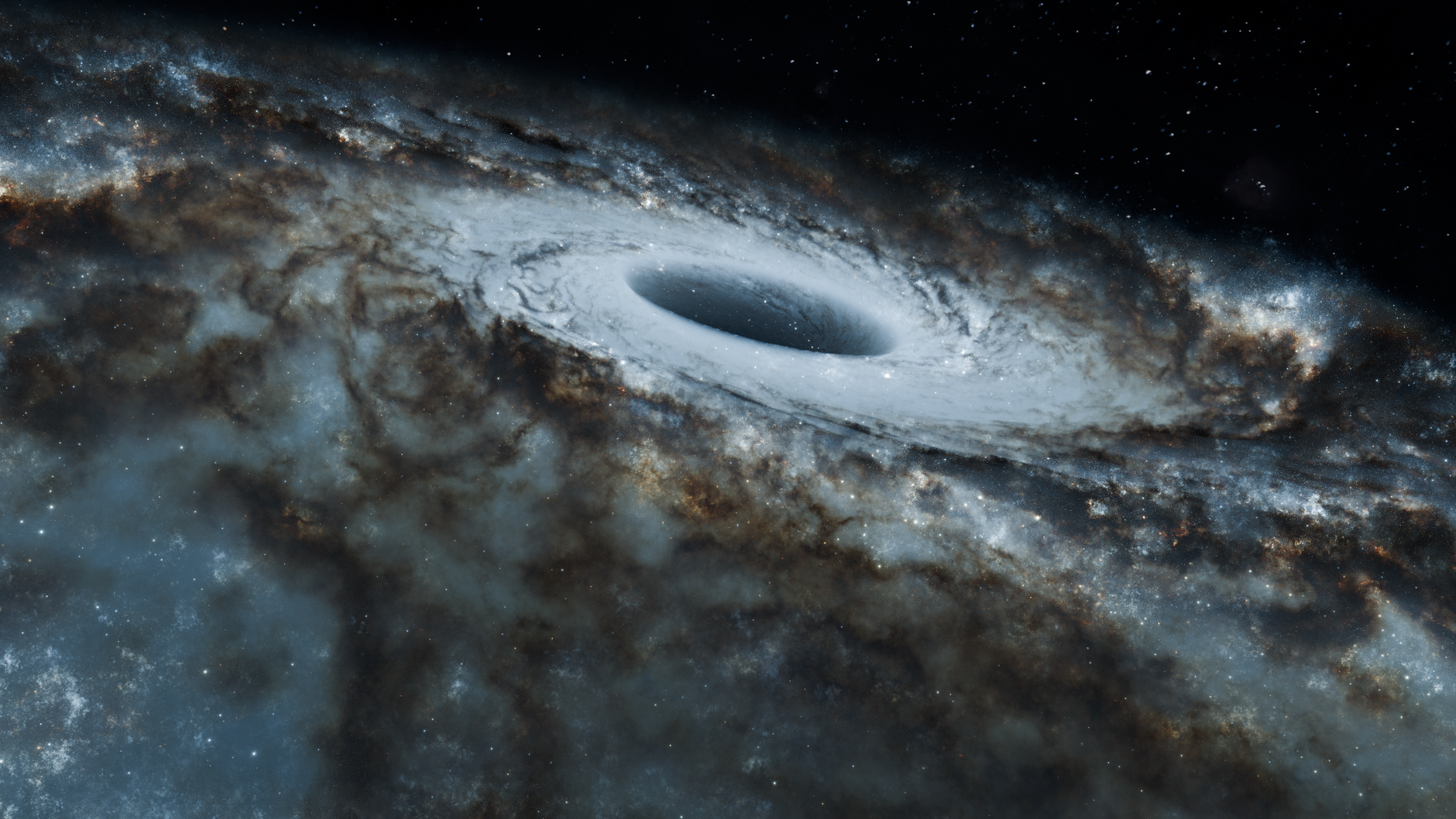
These mysterious cosmic bodies, known for their intense gravitational pull, have long been a subject of fascination and confusion. While they are not truly 'holes' but rather regions of space where gravity is so strong that nothing, not even light, can escape, the phenomena occurring at their boundaries remain largely unexplained.
The Role of Maximum Entropy
The scientists' innovative approach hinges on the Maximum Entropy Conjecture, a concept originally developed to maximise efficiency in steam engines. In the context of black holes, this conjecture provides insights into their energetic behaviour, particularly the flares that occasionally burst from their event horizons.
These flares, once a baffling mystery, are now understood as a result of extreme gravitational interactions. When two black holes orbit each other, they spiral inward, eventually colliding in a cataclysmic event. The conjecture helps predict the energy loss and thermal dynamics involved in such mergers.
A Glimpse into Cosmic Violences
These findings not only further our understanding of black holes but also underscore the enduring relevance of classical science. The principles of thermodynamics, first harnessed to drive steam engines, now illuminate the violent dance of celestial giants.
While black holes remain elusive to direct observation, largely due to their emission of Hawking radiation at undetectably low temperatures, this new approach offers a promising avenue for theoretical exploration. As these cosmic mysteries slowly yield their secrets, they remind us of the interconnectedness of scientific disciplines and the timeless quest to comprehend the universe.