Vijay-Themed Ganesh Idols Ignite Political Tensions in Tamil Nadu
The bustling streets of Chennai are no strangers to political fervour, but this Ganesh Chaturthi, the fervour has taken a rather unusual turn. Ganesh idols, fashioned in the likeness of Tamil Nadu's Chief Minister Vijay, have sparked an unexpected political row, drawing criticism from the Bharatiya Janata Party (BJP).
At the heart of the controversy is the BJP's assertion that the idols, which depict the elephant-headed deity with the visage of the popular leader, are an affront to religious sentiments. Nainar Nagenthran, the BJP's state president, vehemently demanded their removal, stating that such depictions cheapen the spiritual essence of the festival. He argued that these idols are not just a mere artistic expression but a deliberate political manoeuvre by the ruling Tamilaga Vettri Kazhagam (TVK) to idolise their leader.
Supporters of Vijay, however, have brushed aside the BJP's objections, viewing the idols as a tribute to a leader they revere dearly. To them, the fusion of spirituality and political admiration is a reflection of the cultural dynamism that defines Tamil Nadu.
Symbolism or Sacrilege?
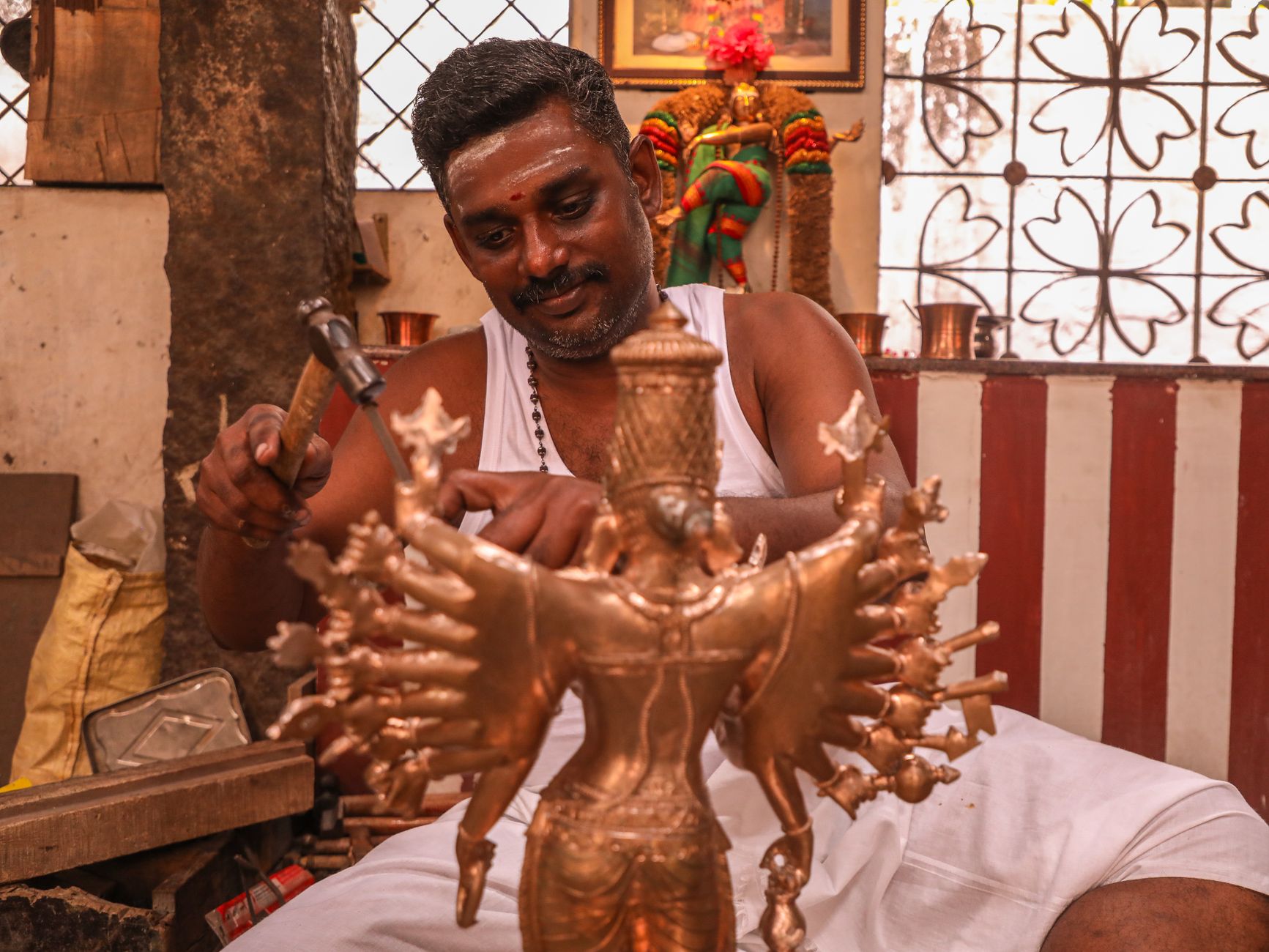
Idol-making is an age-old tradition in Tamil Nadu, and over the years, artisans have experimented with themes ranging from social issues to popular culture. Yet, the confluence of politics and religion is a delicate matter, often treading on contentious ground. Critics argue that turning a deity into a political symbol crosses a line, undermining the sanctity of religious practices.
The timing of this controversy is particularly significant, as it comes amidst preparations for Ganesh Chaturthi, a festival that sees widespread devotion across the state. The BJP's objection highlights a broader concern over the potential politicisation of religious festivals, an issue that resonates beyond Tamil Nadu.
A Larger Political Canvas
This incident is more than just a local skirmish; it reflects the broader political dynamics at play in Tamil Nadu. With elections on the horizon, parties are keenly aware of the symbolic power of cultural icons. For the BJP, challenging the ruling party's attempt to equate political leadership with divine representation is both a moral and strategic stance.
As the debate rages on, the idols remain standing, a silent testament to the complex interplay of faith, politics, and identity in modern Tamil Nadu. Whether they are removed or allowed to stay, the controversy has already etched itself into the state's vibrant political tapestry.