Vijay's Jaw Gesture: A Catalyst for Tamil Nadu's Political Theatre
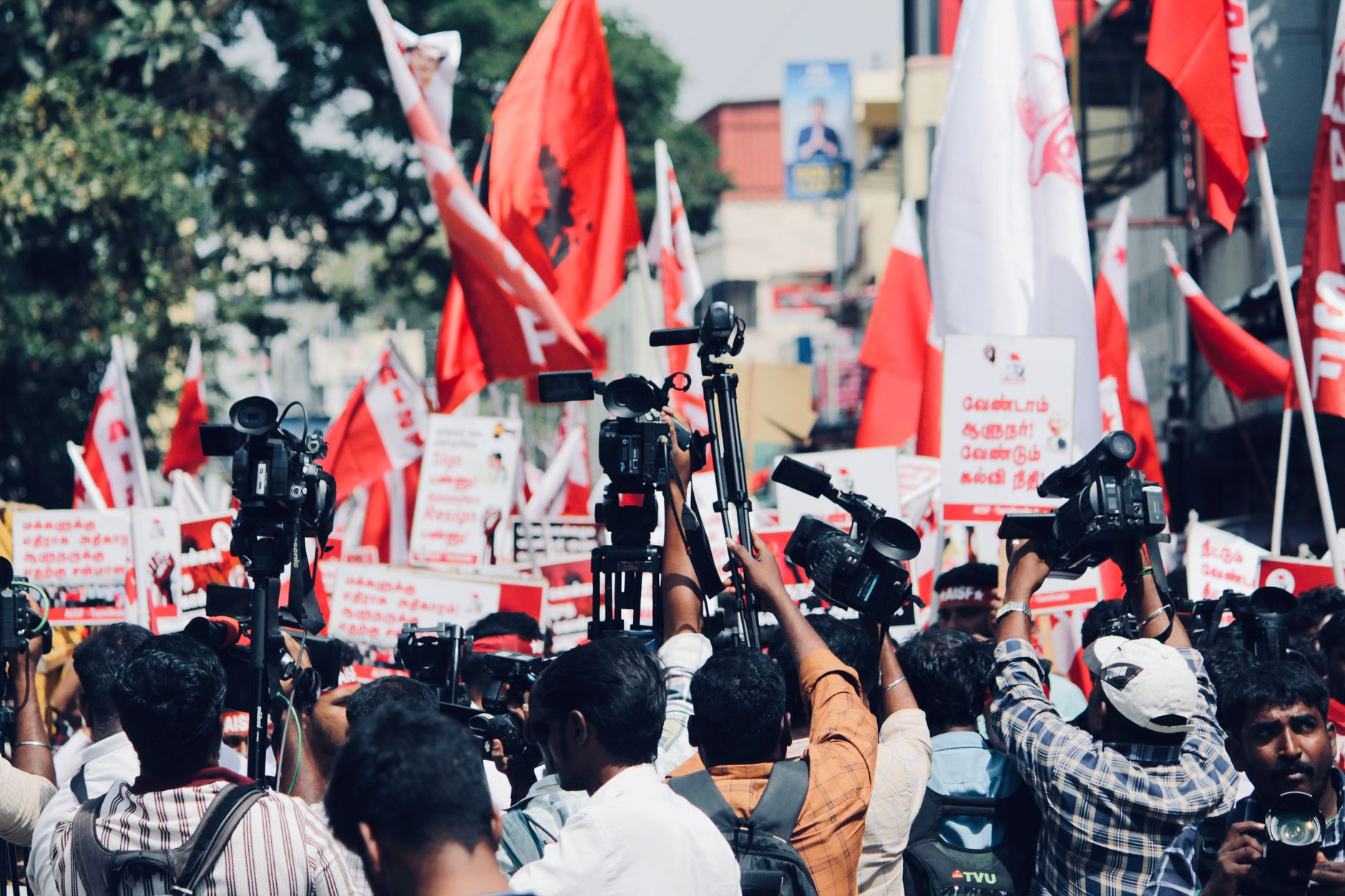
It was just a fleeting moment; a hand grazing the chin, a jaw slightly lifted. Yet, in the politically charged atmosphere of Tamil Nadu's Assembly, this simple gesture by Chief Minister Vijay has become a symbol of something far greater.
During a heated debate, Vijay's nonchalant movement was seized upon by political adversaries and allies alike, transforming it into a metaphorical lightning rod for political discourse. In a state where the lines between cinema and politics blur, this seemingly trivial act has reignited discussions about power, past grievances, and the potent symbolism that thrives in Tamil Nadu's political theatre.
The Shadow of the Past
The gesture was interpreted by some as a reference to M.K. Stalin's incarceration during the 1976 Emergency, a period marked by severe political repression. Stalin, then a young man, was reportedly subjected to harsh conditions under the Maintenance of Internal Security Act (MISA). While Vijay may have intended no such implication, the gesture has reopened old wounds, reminding many of the historical injustices faced by political figures in the state.
Stalin himself addressed the assembly, recounting his experiences during the Emergency. His narrative, a poignant reminder of a turbulent chapter in India's political history, has added layers of complexity to the present-day political dynamics. He dismissed the controversy as a politically motivated manoeuvre by his opponents, aimed at diverting attention from more pressing issues.
Politics and Cinema: An Unbreakable Bond
Tamil Nadu's unique blend of politics and cinema adds another dimension to this unfolding drama. Actors turned politicians are not new to the state, and Vijay's cinematic flair has often influenced his political style. The jaw gesture, some argue, could well be a cinematic cue turned political statement, intended or not.
This incident underscores the deep entanglement of personal histories and public narratives in Tamil Nadu's politics. It serves as a reminder of the state's vibrant political culture, where even the smallest gesture can spark a dialogue, if not a debate, on the broader themes of power and justice.
As the dust settles, the question remains: was it a deliberate provocation or merely an innocuous act misinterpreted? Regardless, the incident has once again highlighted the perpetual interplay of history, symbolism, and politics in Tamil Nadu.