Vitamin D2 Supplements May Undermine Health Benefits
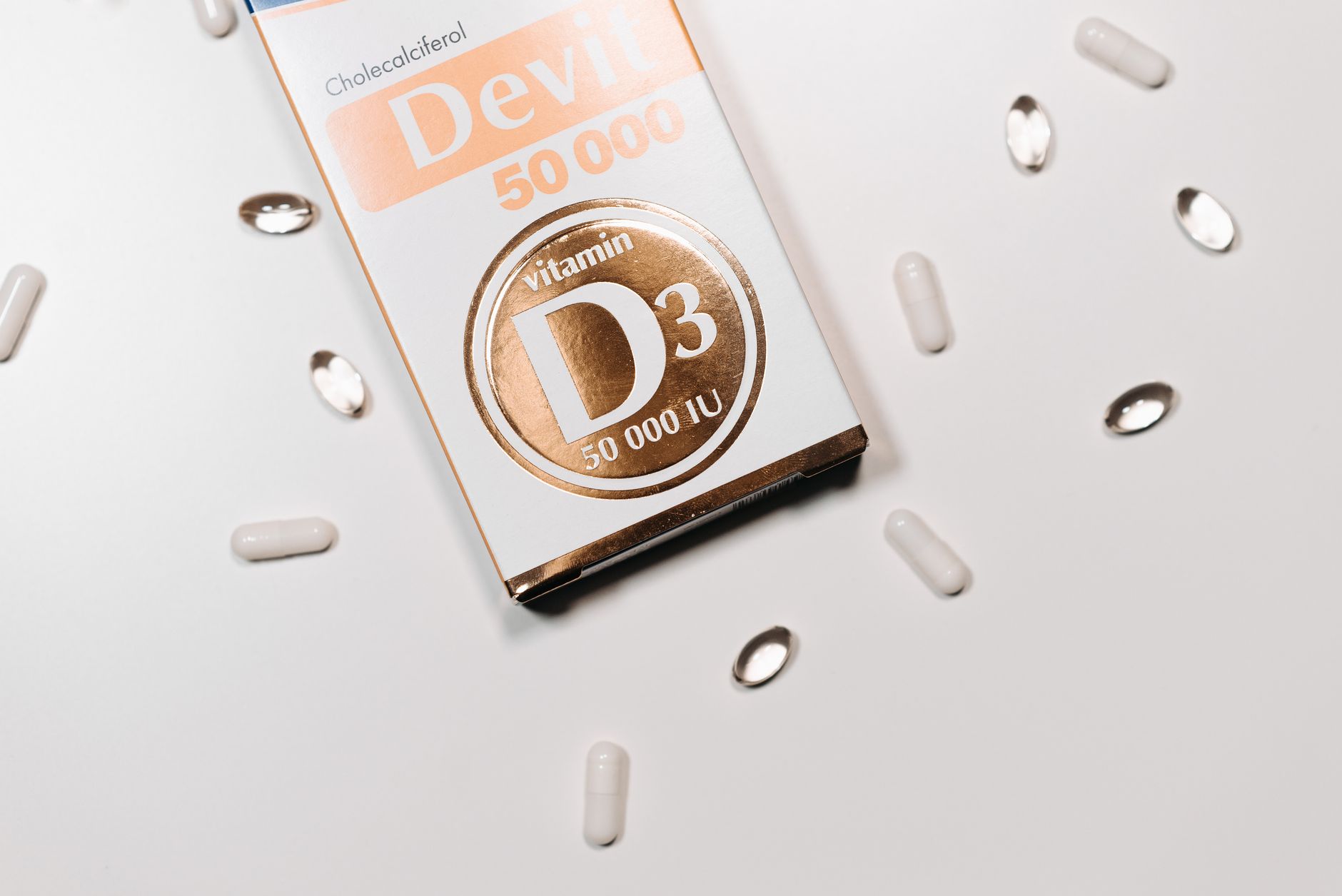
In a revelation that has caught both the scientific community and supplement consumers off guard, researchers have discovered that vitamin D2 supplements might be doing more harm than good by reducing the body's levels of vitamin D3. The study, conducted by a team of scientists, suggests that while vitamin D2 is widely consumed, it may not be the panacea many had hoped for.
Vitamin D, often dubbed the 'sunshine vitamin', is essential for maintaining bone health and supporting the immune system. But not all forms of the vitamin are created equal. The study indicates that vitamin D3 is substantially more effective in performing these roles compared to its counterpart, vitamin D2.
The implications of these findings are profound. As the popularity of vitamin D supplements surges, the potential drawbacks of D2 supplementation could lead to a significant shift in how the public and healthcare providers approach vitamin supplementation.
The Science Behind the Discovery
Scientists involved in the study observed that individuals taking vitamin D2 supplements experienced a decrease in their vitamin D3 levels. This is concerning because vitamin D3 is known to have a more potent effect on the immune system, potentially offering better protection against viral and bacterial infections.
The research is prompting a re-evaluation of current supplementation guidelines. It raises the question of whether vitamin D3 should be the recommended form, particularly given its superior efficacy.
A Word of Caution
With the easy availability of vitamin D supplements in pharmacies and supermarkets, consumers are advised to exercise caution. The study underscores the necessity for informed choices regarding supplementation, especially for vulnerable groups such as children and pregnant women, who are often prescribed vitamin D supplements.
As the debate continues, it is clear that more research is needed to fully understand the implications of these findings. Until then, the medical community and consumers alike may need to tread carefully when it comes to vitamin D supplementation.