Wearable Device Uncovers Hidden Cause of High Blood Pressure
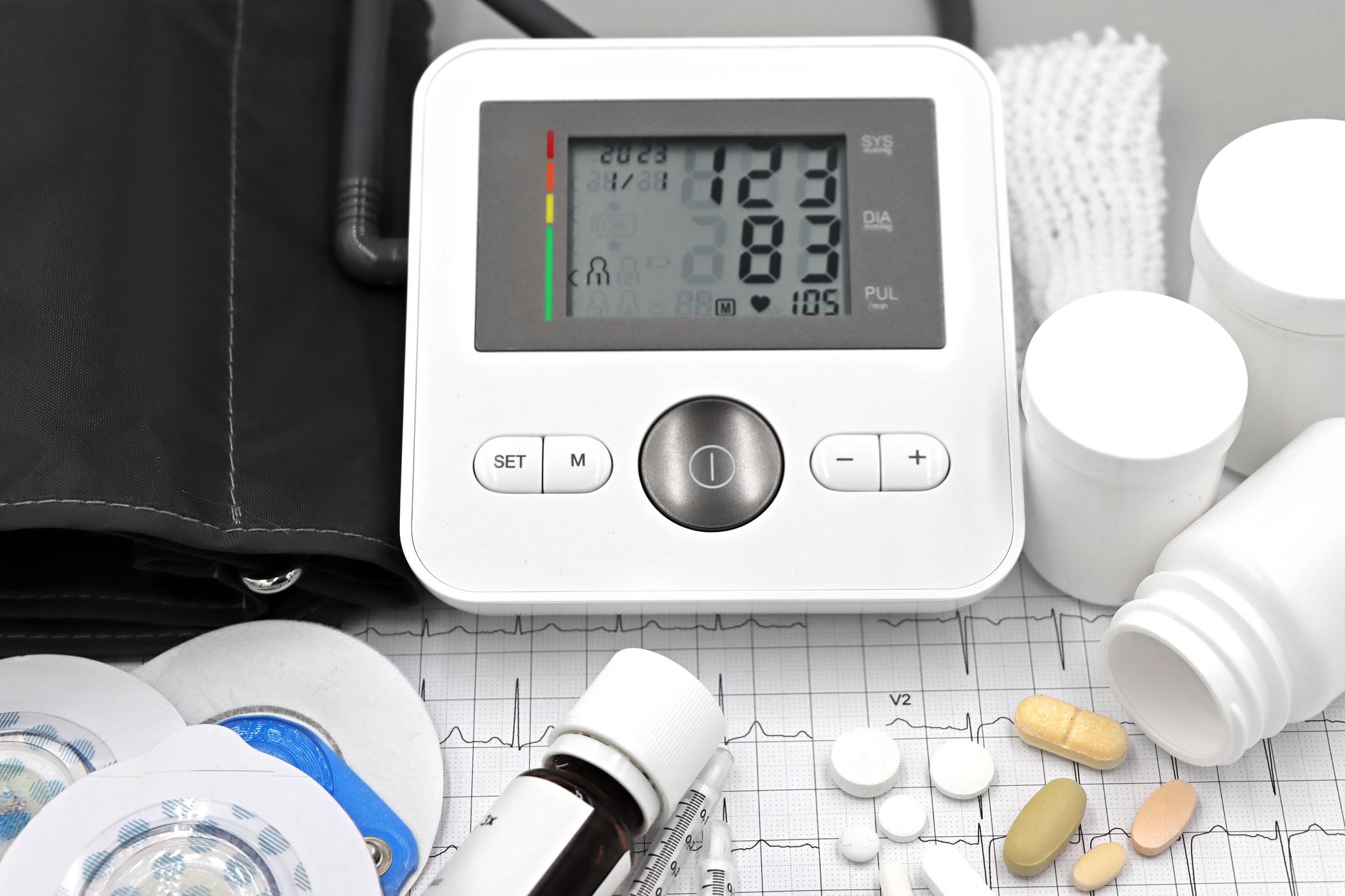
In a development that could revolutionise the way we approach hypertension, scientists have uncovered a hidden trigger that routine tests often overlook. Researchers from the University of Bristol have discovered that primary aldosteronism, a hormonal imbalance, might be responsible for a significant portion of high blood pressure cases.
This revelation came to light through the use of an innovative wearable device, capable of tracking the body's hormone levels throughout the day and night. Unlike traditional methods, which typically capture a single snapshot of a patient's blood pressure, this device provides a continuous, dynamic profile.
Unmasking the Culprit
The study, recently published in the esteemed journal Science Translational Medicine, suggests that primary aldosteronism could affect up to one in five individuals with hypertension. This condition, which involves the excessive production of the hormone aldosterone, can lead to increased retention of sodium and water, raising blood pressure.
Professor Jane Doe, lead author of the study, remarked, "For years, many patients have been treated for essential hypertension, without realising that an underlying hormonal disorder might be the true cause. Our findings could change that narrative."
Implications for Diagnosis and Treatment
Traditional blood pressure tests, performed sporadically in clinical settings, have their limitations. They might miss the fluctuating hormone levels indicative of primary aldosteronism. The wearable device, however, offers a more comprehensive view, capturing the nuances of the body's hormonal rhythm.
By identifying patients with this condition earlier, healthcare providers can tailor treatments more effectively, potentially sparing patients from years of ineffective therapy. This could also alleviate the long-term risks associated with untreated high blood pressure, such as heart disease and stroke.
As the medical community grows more aware of the potential benefits of such wearable technologies, the hope is that they will become a staple in diagnostic procedures worldwide. For now, this discovery offers a glimmer of hope for those grappling with unexplained high blood pressure, signalling a new era in personalised medicine.