Webb Telescope Unveils the Universe's Most Distant Radio Mystery
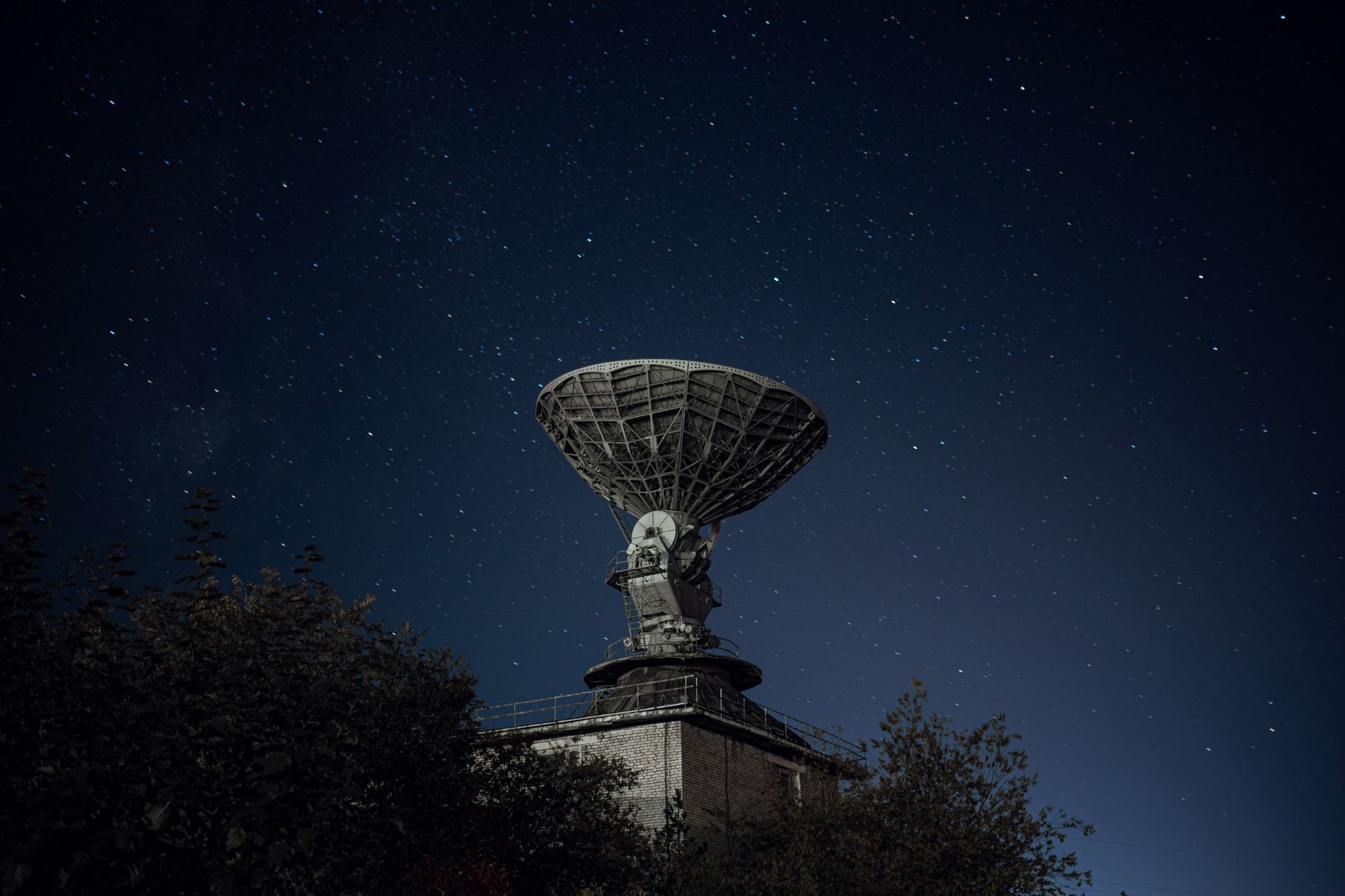
The James Webb Space Telescope has once again pushed the boundaries of cosmic exploration, this time by identifying the most distant fast radio burst (FRB) ever recorded. These fleeting, millisecond-long pulses of radio waves have puzzled astronomers since their discovery in 2007, and the latest find could be a significant piece in the puzzle of their origins.
Fast radio bursts are known for their brevity and intensity, emitting as much energy in a millisecond as the sun does over several days. The recent detection, however, stands out not only for its distance but also for the surprising nature of its source. Using the Webb Telescope's advanced capabilities, astronomers have pinpointed this burst's host galaxy, a crucial step in confirming its substantial distance from Earth.
Unravelling Cosmic Mysteries
The identification of the host galaxy is pivotal, as it allows scientists to accurately measure the burst's distance. Previously, the lack of such precise localisation made it challenging to trace these phenomena back to their sources. By confirming the distance, researchers can now delve deeper into understanding what causes these enigmatic signals.
Previous theories have suggested various potential origins, from the cataclysmic collapse of massive stars to the merging of neutron stars. With each new discovery, the scientific community inches closer to unravelling the true nature of FRBs. This particular finding, with its unexpected host, may prompt a revision of existing models and hypotheses.
A New Era of Discovery
The Webb Telescope's involvement in this discovery marks a new era in the study of the cosmos. Its advanced technology not only enhances our ability to detect such phenomena but also provides unprecedented insights into their characteristics and origins. The telescope's observations are crucial in expanding our understanding of the universe's most perplexing and distant signals.
As astronomers continue to analyse the data, the hope is that these studies will illuminate not just the origins of fast radio bursts, but also broader cosmic processes. In the ever-expanding field of astrophysics, each discovery like this serves as a reminder of how much there is still to learn about the vast universe we inhabit.