West Bengal Moves to Balance Tourism with Environmental Protection
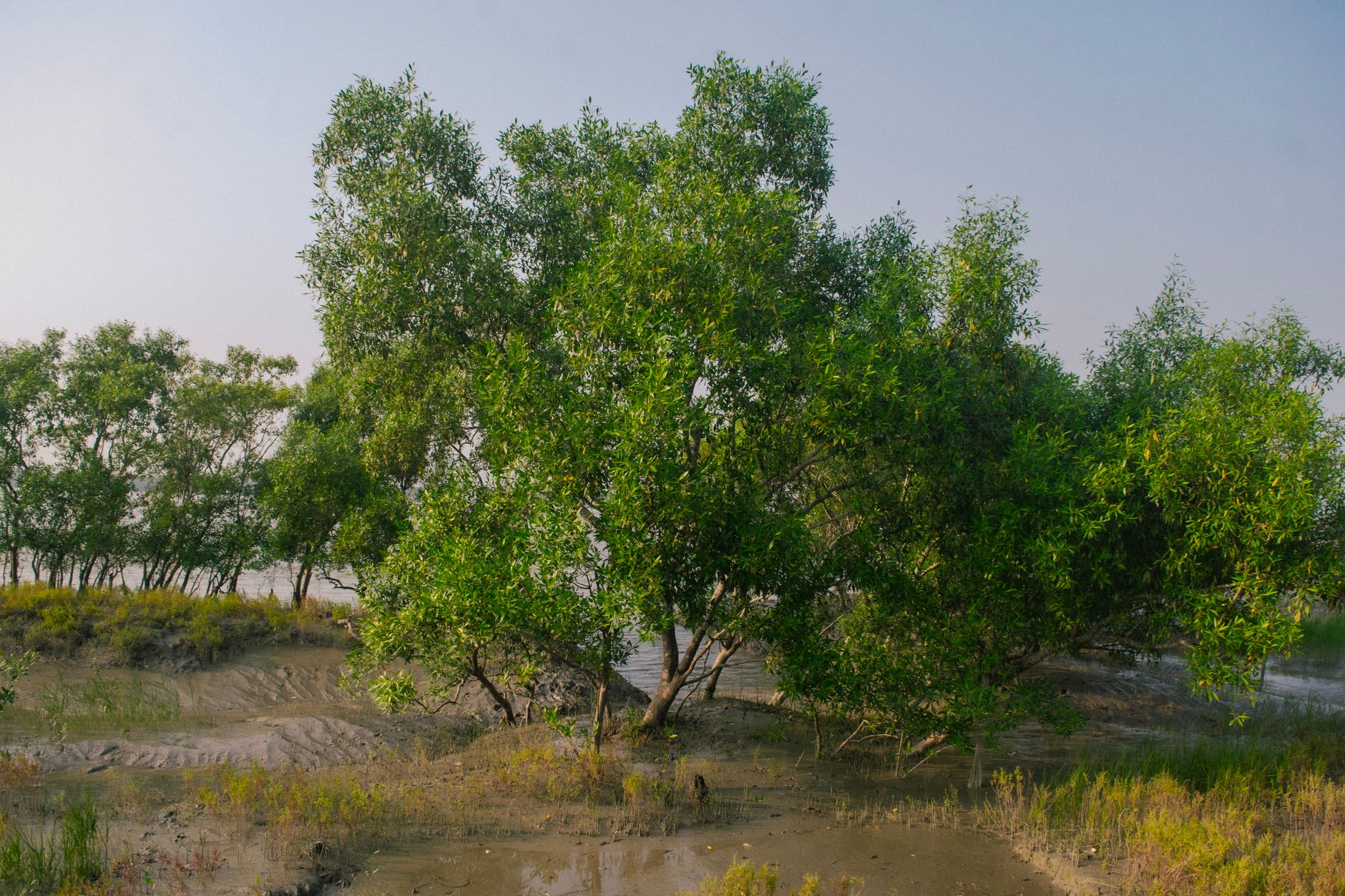
As the sun sets over the Sundarbans, casting a golden hue across its tangled mangroves, West Bengal's government is setting its sights on a delicate balancing act. The challenge: to open its doors to eager tourists while ensuring its environment remains unspoiled.
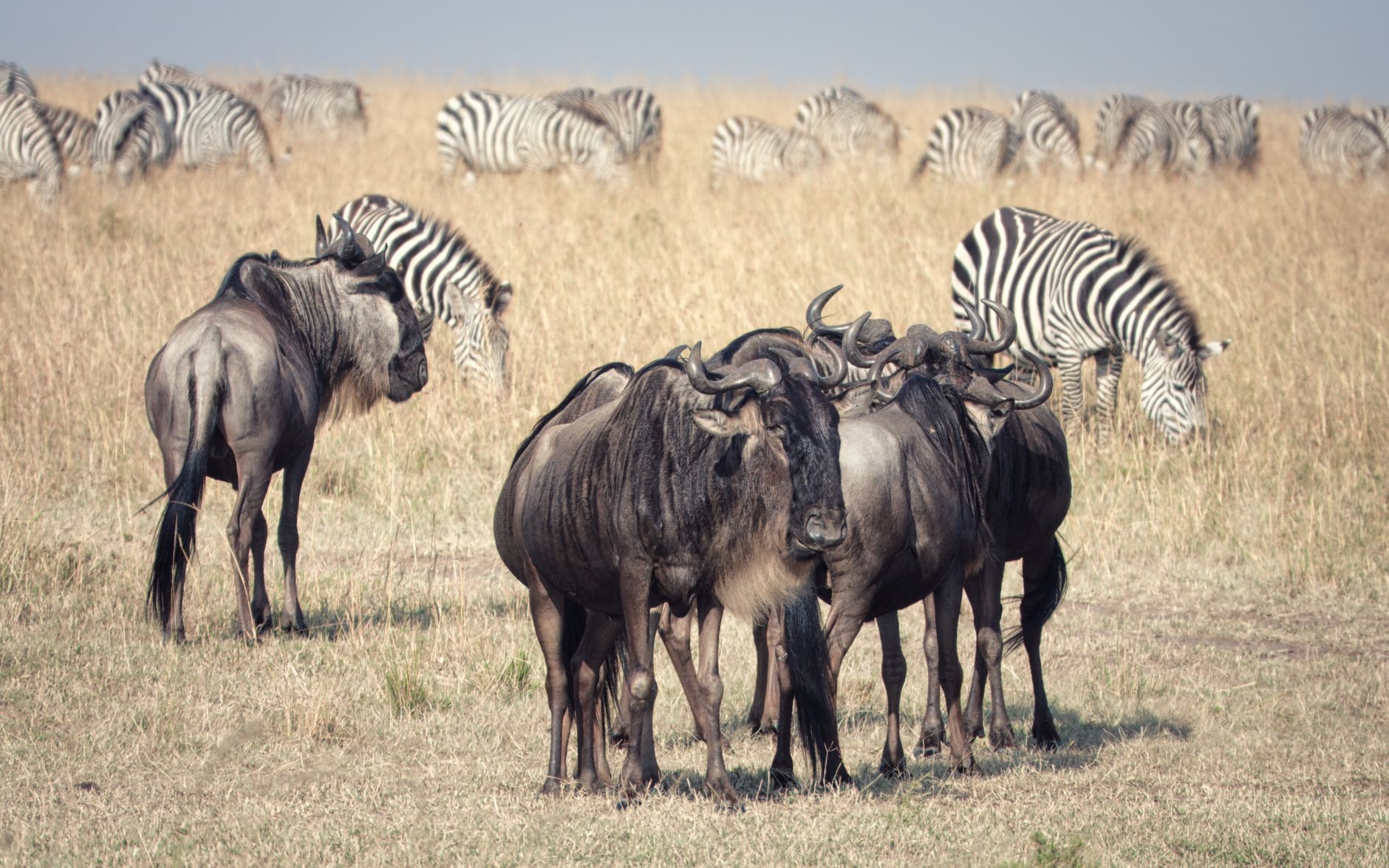
In a recent assembly meeting, State Tourism Minister Indranil Sen unveiled a comprehensive plan aimed at safeguarding West Bengal's rich biodiversity. An inter-ministerial group will work hand-in-hand with the state Forest Department to mitigate any adverse effects tourism might have on the environment. With a focus on the Sundarbans and the Buxa Tiger Reserve, the initiative seeks to harmonise economic growth with ecological preservation.
A Collaborative Approach
This initiative is not just about government intervention. Sen emphasised the importance of private sector involvement in bolstering the state's tourism infrastructure. "We are reaching out to private enterprises to help us build sustainable facilities," he said. It's a strategy that hopes to bring modern amenities to tourists without compromising the natural habitat.
Meanwhile, Environment Minister Manoj Kumar Oraon has appealed to local communities, notably those around Buxa, to collaborate with the state's efforts to protect wildlife. "The cooperation of locals is crucial if we are to maintain the delicate balance between nature and development," Oraon noted in a video address.
Environmental Concerns and Activism
Despite these efforts, environmental activists remain vigilant. At a recent gathering of the West Bengal Environment Journalists Platform in Kolkata, concerns were raised about ongoing challenges such as illegal logging and its violent repercussions. The Sundarban's mangroves, known for their biodiversity, are particularly under threat.
By addressing these issues head-on, West Bengal aims to set a precedent for responsible tourism. The government's plan, if successful, could serve as a blueprint for other regions grappling with similar challenges. However, the path ahead requires careful navigation, balancing the scales between human curiosity and nature's fragility.