West Bengal to Balance Tourism and Environment with New Measures
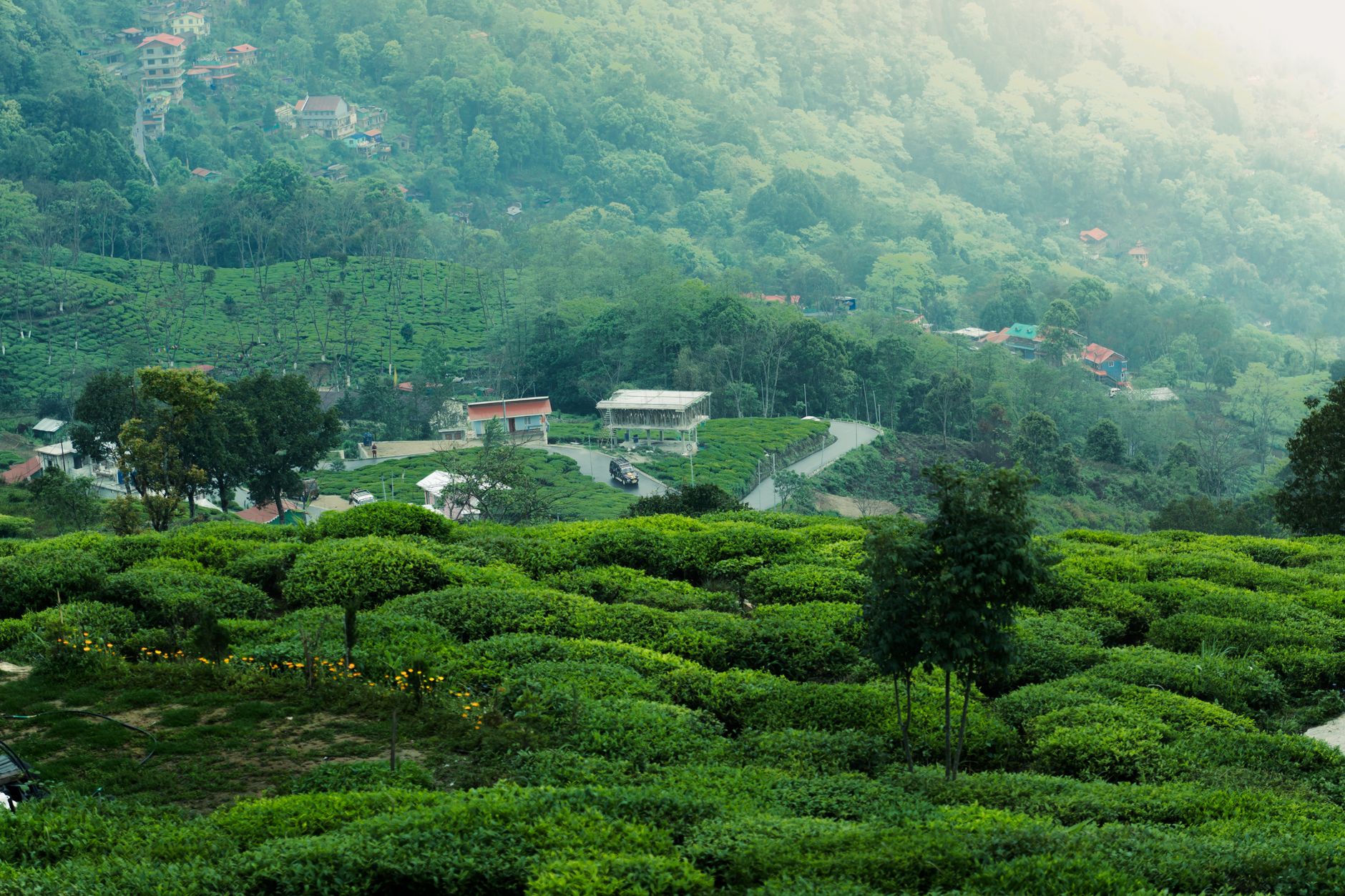
In a bold move aimed at safeguarding West Bengal's precious natural resources, the state government has announced a series of measures to ensure tourism development does not come at the cost of the environment. The initiative was unveiled by the state's tourism minister, Shankar Ghosh, during a recent assembly session.
Ghosh emphasised the need for a sustainable approach, warning that unplanned tourism could wreak havoc not only on the environment but also on the local economy. 'Tourism is vital for our state, but it must not be at the expense of our natural heritage,' he noted, underscoring the delicate balance that must be maintained.
Inter-Ministerial Cooperation
The government plans to establish an inter-ministerial group in collaboration with the state's Forest Department. This group will be tasked with developing a cohesive strategy that involves the environment, forest, and tourism departments working in tandem. The focus will be on creating policies that promote eco-friendly tourism activities, particularly in the ecologically sensitive regions of North Bengal.
Manoj Kumar Oraon, the newly appointed environment and forest minister, echoed Ghosh's concerns, pledging to combat environmental degradation through integrated strategies. Oraon, who represents the forest-rich constituency of Alipurduar, stressed the importance of protecting forest areas from the adverse effects of tourism.
Sustainable Growth
The government also aims to regulate the development of off-beat tourism destinations. By introducing a structured approach, authorities hope to prevent the overexploitation of natural resources while still encouraging tourism growth. This approach is anticipated to bring long-term benefits, balancing economic growth with environmental conservation.
As West Bengal navigates the complex interplay between tourism and environmental conservation, these measures signal a commitment to sustainable development. The state's strategy could serve as a model for other regions grappling with similar challenges, proving that with careful planning, economic and environmental interests can coexist harmoniously.