West Bengal's Ambitious Drive for Green Tourism and Forest Conservation
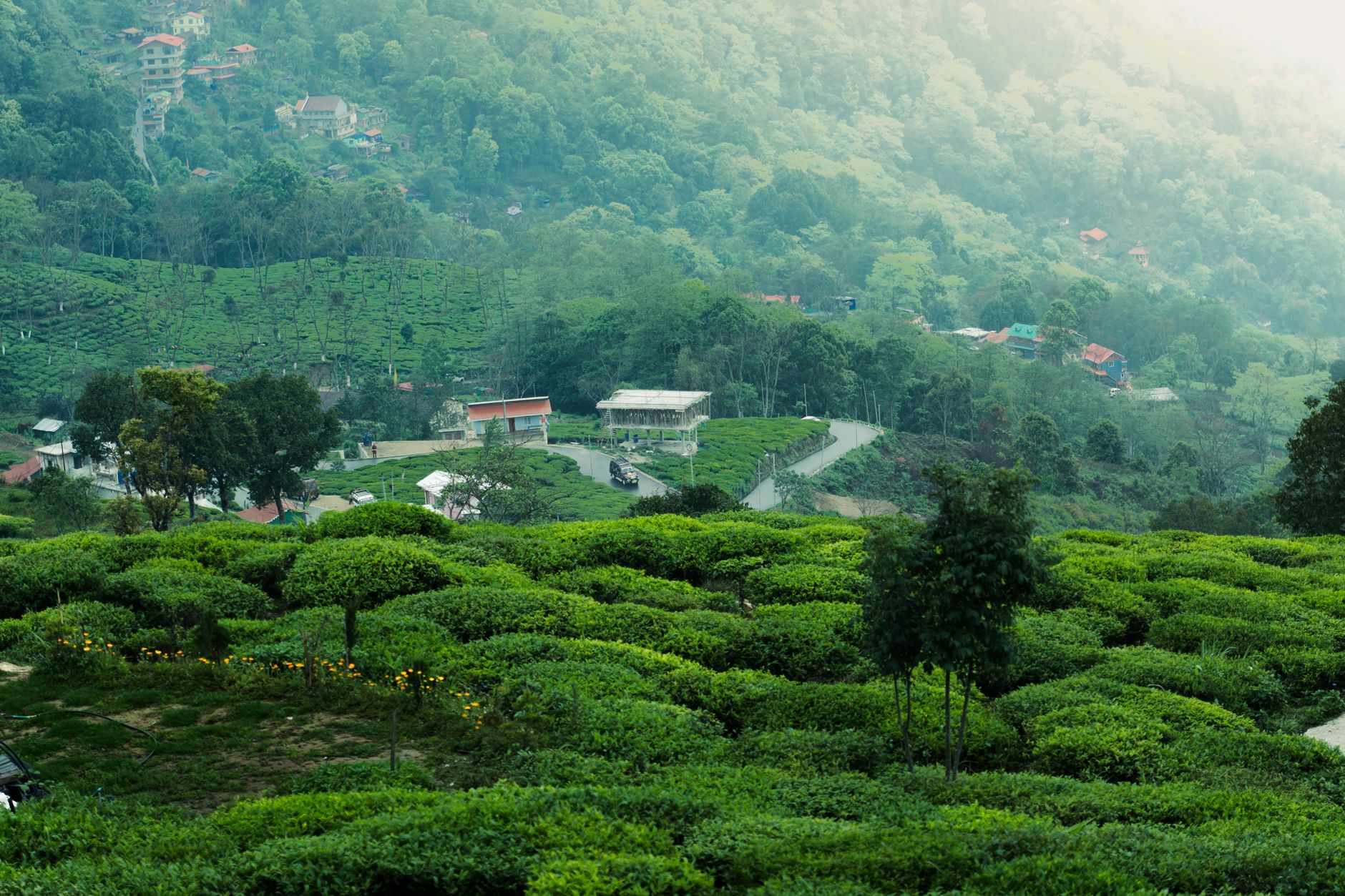
Amidst the verdant expanses of West Bengal, a new vision for tourism is unfolding, one that marries the allure of its diverse landscapes with the imperative of environmental stewardship. The state's recent move to develop a green tourism sync is not merely about attracting visitors but about integrating sustainable practices into the very fabric of its tourism strategy.
The initiative, spearheaded by the state's tourism and forest minister, focuses on an integrated approach to forest protection. This strategy is designed to ensure that the influx of tourists does not compromise the ecological integrity of West Bengal's rich forest reserves.
A Heritage of Conservation
The plan includes creating a heritage religious tourism circuit at Garh Jungle in the West Burdwan district, echoing successful models like the Kashi Vishwanath Temple circuit. This project aims to draw tourists while also promoting local history and culture, providing a unique blend of spiritual and ecological tourism.
The state government has also announced a significant investment in transforming Mirik into a major tourist destination, with a proposed ₹100-crore infrastructure development. This is part of a broader strategy to place West Bengal on the map as a prime destination for eco-conscious travellers.
Sustainable Growth
Central to this vision is the emphasis on sustainable development. By aligning tourism with environmental management, the government intends to create a model where economic growth does not come at the cost of environmental degradation. The strategy includes additional funding for forest protection and initiatives to attract investment in green industries.
Such efforts are expected to bolster local livelihoods, creating jobs and fostering economic resilience in rural communities. Moreover, they present a compelling case for the potential of green tourism to drive regional development while safeguarding natural resources.
As West Bengal positions itself as a leader in sustainable tourism, the challenge lies in balancing the dual objectives of conservation and economic expansion. Yet, with its rich cultural tapestry and abundant natural beauty, the state is well-placed to offer a tourism experience that is as enriching for visitors as it is protective of its environment.