West Bengal's Loudspeaker Ban: A New Political Flashpoint
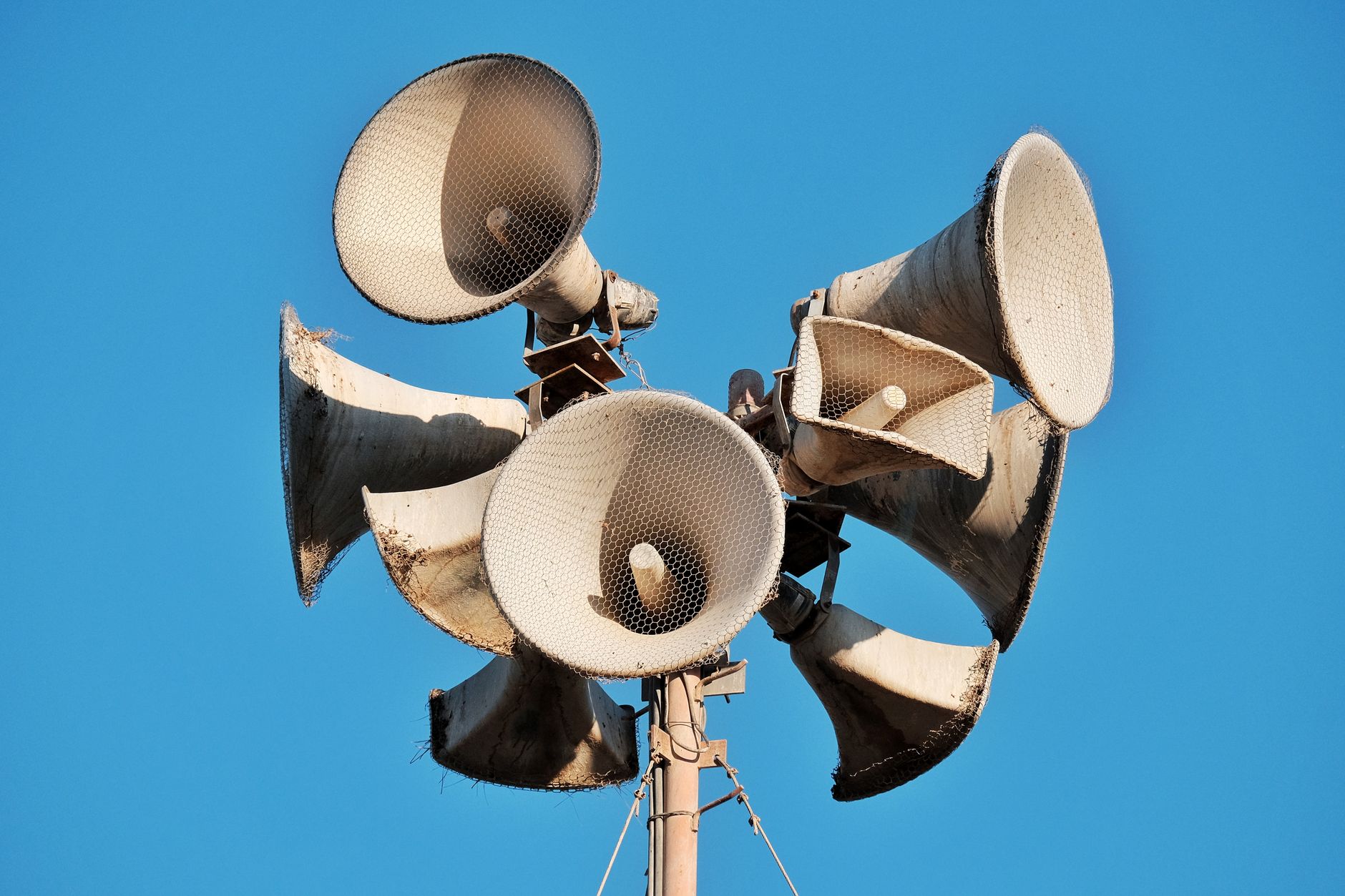
The streets of West Bengal, known for their vibrant festivals and bustling market life, have become the centre of a new political storm. The state government's recent decision to ban loudspeakers at religious sites has not only silenced the cacophony but also amplified political tensions.
Noise or Nuisance?
The ruling Trinamool Congress (TMC) government argues that the ban is a necessary measure to address noise pollution, which has been a growing concern among residents. According to a government spokesperson, the decision is aimed at ensuring peace and tranquillity, especially in densely populated areas.
However, opposition parties, including the Bharatiya Janata Party (BJP) and the Left Front, have been quick to seize the opportunity, accusing the government of communal bias. They argue that the ban disproportionately affects religious minorities, who traditionally use loudspeakers for call to prayer and religious gatherings.
A Political Conundrum
This controversy has added a new dimension to the already complex political landscape in West Bengal. The state, known for its volatile political climate, is no stranger to contentious issues. Yet, this particular ban has struck a chord, as it touches upon the delicate balance between governance and religious freedom.
Critics of the ban question whether the government has overstepped its bounds in the name of public welfare. They argue that rather than imposing a blanket ban, a more nuanced approach could have been taken, involving discussions with community leaders to reach a consensus.
Implications for Future Politics
As political parties continue to jostle for position, the loudspeaker ban has the potential to become a significant talking point in upcoming elections. For the TMC, the challenge lies in convincing the public that the ban is in the interest of all citizens and not a selective measure.
Meanwhile, opposition parties are likely to use this issue to galvanise support, particularly among minority communities who feel targeted by the ban. The situation remains fluid, and its resolution could set a precedent for how similar issues are tackled in the future.
In a state where politics is often as loud as the festivals, the silence of the loudspeakers might just speak volumes.