Western Ghats Conservation Debate: States Resist New ESA Proposal
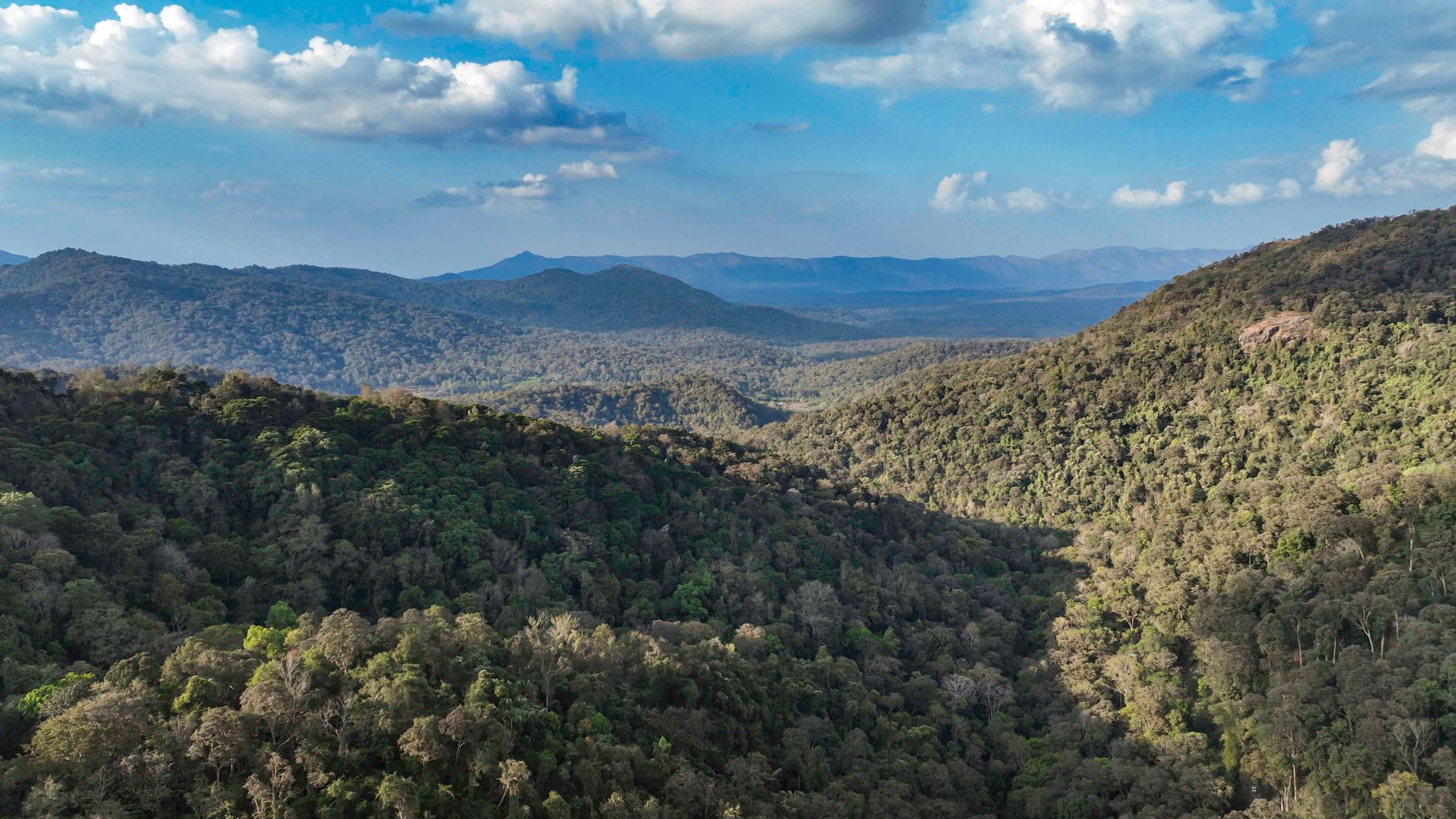
In the intricate dance between conservation and development, the Western Ghats have emerged as a stage of contention. The latest draft to declare over 56,000 square kilometres as an Ecologically Sensitive Area (ESA) has been met with resistance from the six states it spans—Gujarat, Maharashtra, Goa, Karnataka, Kerala, and Tamil Nadu.
These states, rich in biodiversity yet hungry for development, argue that the ESA designation could stifle economic progress. The Western Ghats, a UNESCO World Heritage site, harbour countless endemic species and vital wildlife habitats. Tigers roam its reserves while elephants traverse its corridors, underscoring its ecological significance.
The Kasturirangan Committee, tasked over a decade ago, proposed a framework to balance ecological preservation with sustainable development. However, its recommendations have often clashed with state interests, particularly where economic ambitions overshadow environmental considerations.
A Decade of Discontent
The resistance isn't new. Since 2013, states have grappled with the implications of the ESA designation. Concerns range from restrictions on land use to fears of hindering infrastructure projects. While the Committee advocates for scientific demarcation and stakeholder engagement, consensus remains elusive.
Supporters of the ESA argue that the long-term benefits of conservation far outweigh short-term economic gains. They cite the potential to preserve biodiversity, mitigate climate change impacts, and safeguard water sources. Yet, in a region where livelihoods are tightly interwoven with the land, the fears of economic stagnation are palpable.
The Path Forward
Despite the gridlock, there is hope for a resolution that honours both ecological and human needs. Field verifications and consultations aim to refine the ESA boundaries, potentially easing some state concerns. The central government’s role is crucial, as it negotiates between environmental imperatives and state autonomy.
The Western Ghats stand at a crossroads, their future uncertain but undeniably pivotal. As discussions continue, the world watches, recognising the ghats not just as a regional treasure, but as a global beacon of biodiversity.