Why Environmental Impact Assessments Matter Now More Than Ever
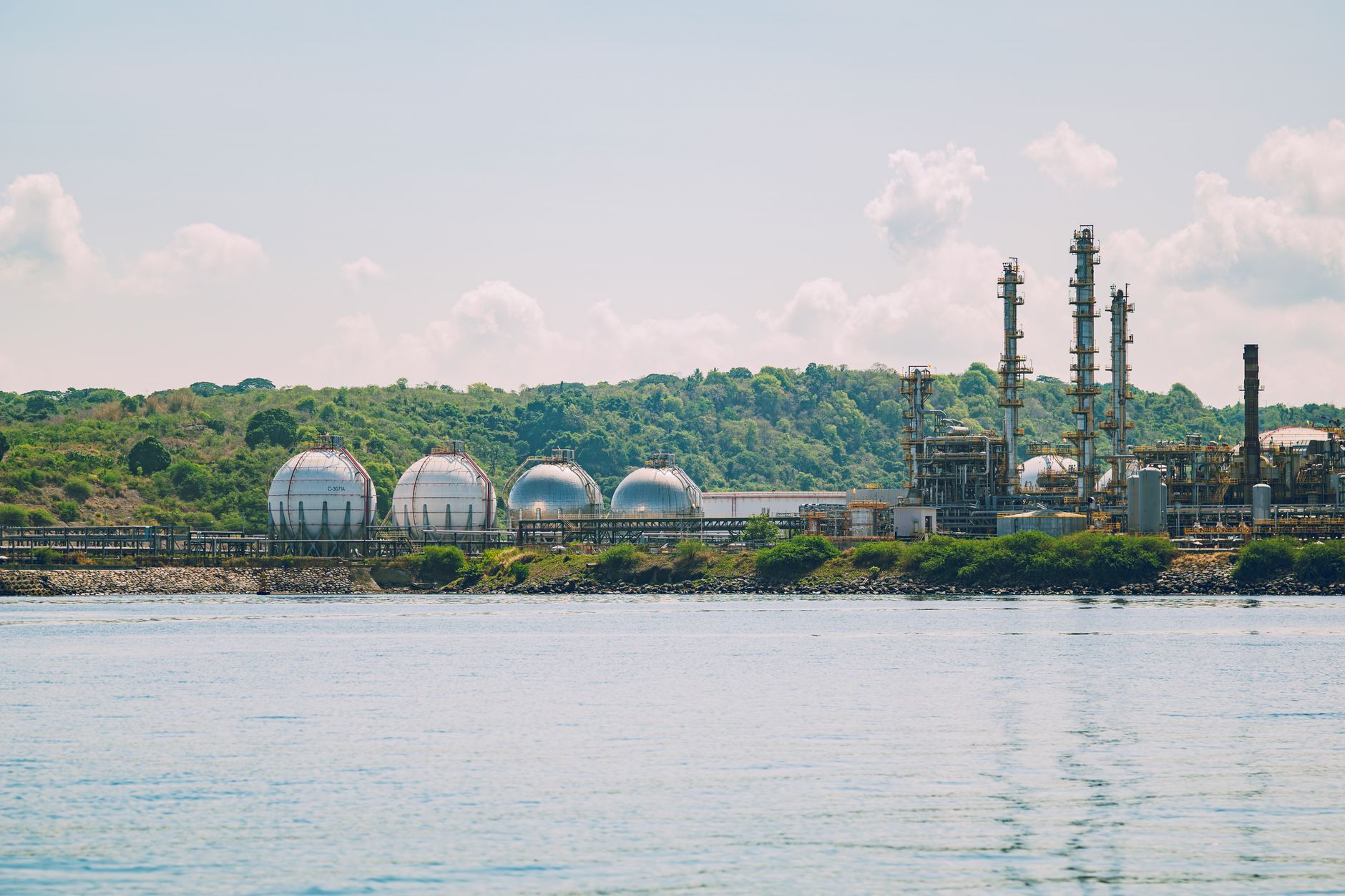
The Environmental Performance Index 2026, a comprehensive evaluation of environmental health across 177 countries, has once again thrust Environmental Impact Assessments (EIAs) into the limelight. As the world navigates the complexities of environmental sustainability, EIAs have become an indispensable tool for governments and developers alike.
At its core, an EIA is a systematic process to determine the potential effects—both positive and negative—of a proposed project on the environment. The goal is to ensure that all potential impacts are considered before any major development proceeds. This process involves a detailed examination of factors such as biodiversity, air and water quality, and socio-economic effects.
The Legal Framework
In England, the Town and Country Planning (Environmental Impact Assessment) Regulations 2017 provide the legislative backbone for EIAs. These regulations ensure that any project likely to have significant environmental repercussions is thoroughly assessed. The legislation mandates that developers submit an Environmental Statement, detailing the anticipated impacts and proposed mitigation measures.
Projects are categorised into various schedules, with Schedule 1 projects requiring a mandatory EIA, while Schedule 2 projects undergo a screening process to determine necessity. This nuanced approach allows for a balanced consideration of environmental and developmental priorities.
Global Implications
The recent Environmental Performance Index highlights the differing levels of environmental stewardship across nations. Countries topping the index demonstrate a robust commitment to sustainable development, a commitment often underpinned by rigorous EIA practices. Conversely, nations lagging in the rankings may need to reassess their approach to EIAs and environmental governance.
India, for instance, finds itself at a pivotal juncture where rapid development must be balanced with environmental preservation. The role of EIAs in this context cannot be overstated; they provide a framework for sustainable development that respects ecological boundaries.
As climate change intensifies, the importance of EIAs is set to grow. They are not just a bureaucratic hurdle but a vital component of responsible governance and sustainable development. In a world increasingly aware of environmental fragility, EIAs offer a path to development that is both progressive and protective.