Why Teaching Children to Sniff Matters for Their Wellbeing
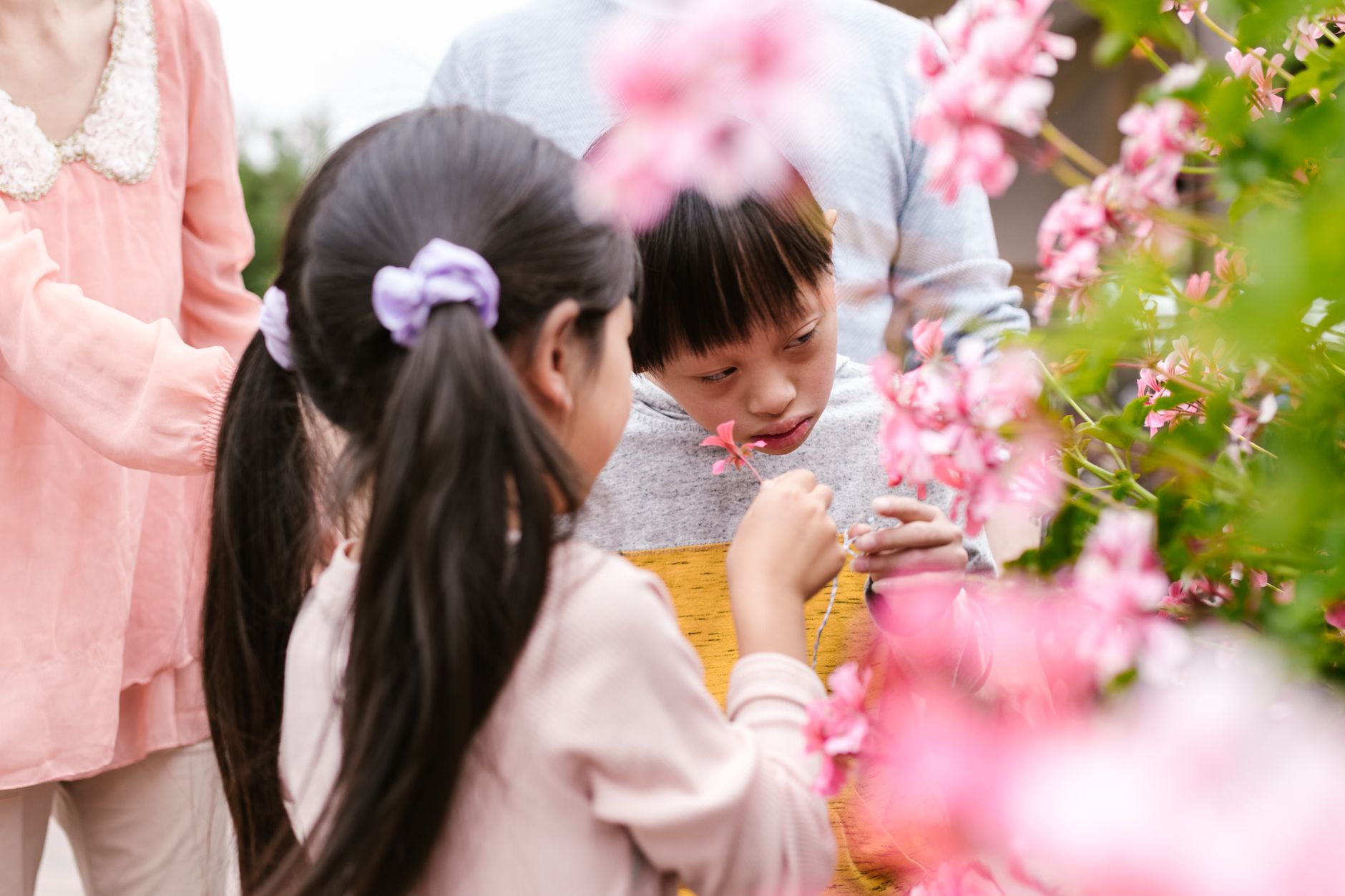
In a world where synthetic fragrances and pollution cloud our senses, Dr Will Tullett, a leading historian of smells, advocates for an unusual yet compelling approach to education. He proposes that children should be taught to sniff and identify a variety of aromas, a skill that could significantly enhance their sensory awareness and general wellbeing.
The notion of olfactory education may seem whimsical at first glance, but it holds substantial promise. According to Dr Tullett, pollution and artificial scents diminish our natural ability to discern different smells. This decline in olfactory function could have broader implications, affecting not just quality of life but also potentially hindering our ability to diagnose serious conditions such as Parkinson’s and Alzheimer’s.
The Science Behind the Sniff
Recent studies suggest that the way children respond to different smells might also serve as an indicator for autism spectrum disorders. A study published in the journal Current Biology found that children’s reactions to various scents could help in early diagnosis, offering a non-invasive and straightforward method to aid healthcare professionals.
While smell tests are already used in some clinical settings, they are not yet widely accessible due to their cost and time-consuming nature. Dr Tullett's proposal could see these tests becoming more common if integrated into everyday education, potentially offering a cost-effective solution to a pressing healthcare challenge.
Implementing Smell Education
Introducing smell education into schools may require a shift in traditional teaching methods, but the benefits could be profound. Encouraging children to explore different aromas—from fresh cut grass to exotic spices—could foster a deeper connection with their environment and improve their overall sensory health.
Parents also have a role to play. Simple practices like cooking with aromatic herbs or visiting botanical gardens can stimulate children’s sense of smell and help them develop a more nuanced understanding of their world.
As science continues to uncover the intricate connections between our senses and overall health, the call for smell education grows louder. For Dr Tullett, the prospect of a generation that can truly appreciate the bouquet of life’s aromas is a goal worth pursuing.