
Wisconsin Forest Flourishes with CO₂ Boost, but Ozone Looms
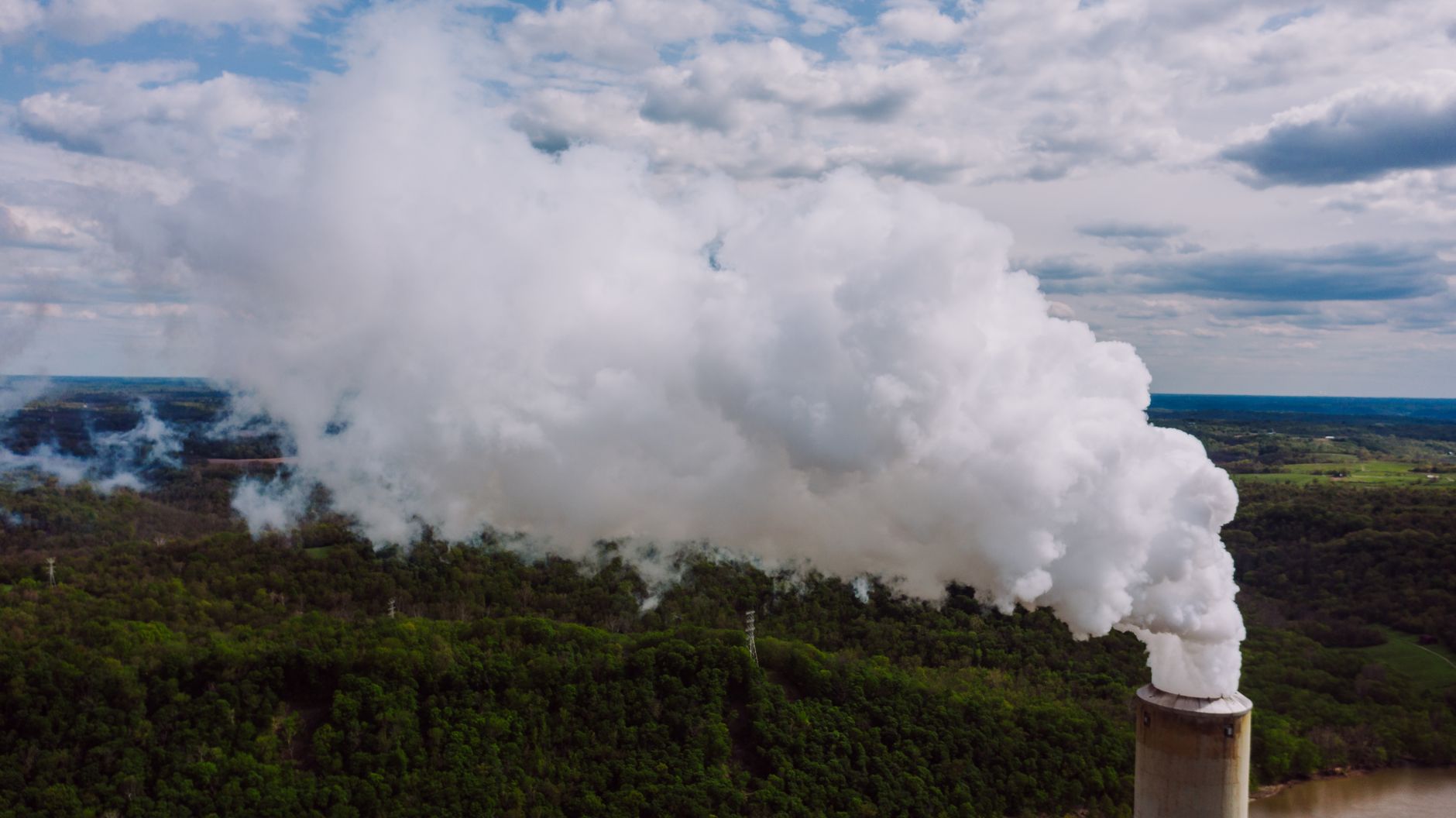
In the heart of Wisconsin, a unique experiment has quietly rewritten our understanding of forest productivity. Over the past 11 years, scientists have subtly altered the air around a section of forest by increasing carbon dioxide (CO₂) levels, with startling results. The trees responded by ramping up their growth by an impressive 39%. Yet, this growth spurt was not without its caveats.
The increased CO₂ simulated conditions anticipated in future decades when greenhouse gas emissions are expected to rise. The idea was to observe how forests, vital carbon sinks, might adapt to such changes. The outcome was promising: heightened levels of CO₂ allowed the trees to photosynthesise more efficiently, converting more sunlight into energy and, consequently, growing faster.
Ozone: The Invisible Adversary
However, the study also revealed a potential hurdle. The presence of ozone, a pollutant known to damage plant tissues, significantly dulled the positive impact of the enriched CO₂ environment. Ozone, which is often a by-product of industrial activities, reacted with the leaves, reducing their ability to convert sunlight into growth.
This dual finding paints a complex picture. While increased CO₂ could bolster forest growth, the simultaneous rise in pollutants like ozone might negate these benefits. It highlights the intricate balance between different atmospheric elements and their collective impact on ecosystems.
Implications for Climate Strategy
The implications of this study reach far beyond the boundaries of Wisconsin's woodlands. As the world grapples with climate change, understanding how forests can be managed to maximise their carbon-absorbing capabilities will be crucial. This research could guide future policies to enhance forest resilience, addressing not just CO₂ levels but also other environmental stresses like ozone pollution.
In essence, while the promise of enhanced productivity is enticing, it comes with the caveat of addressing broader environmental issues. As scientists continue to unravel these complex interactions, such studies will be pivotal in shaping our response to the challenges of a changing climate.


