Wisconsin Forest Study Reveals CO₂ Impact on Tree Growth
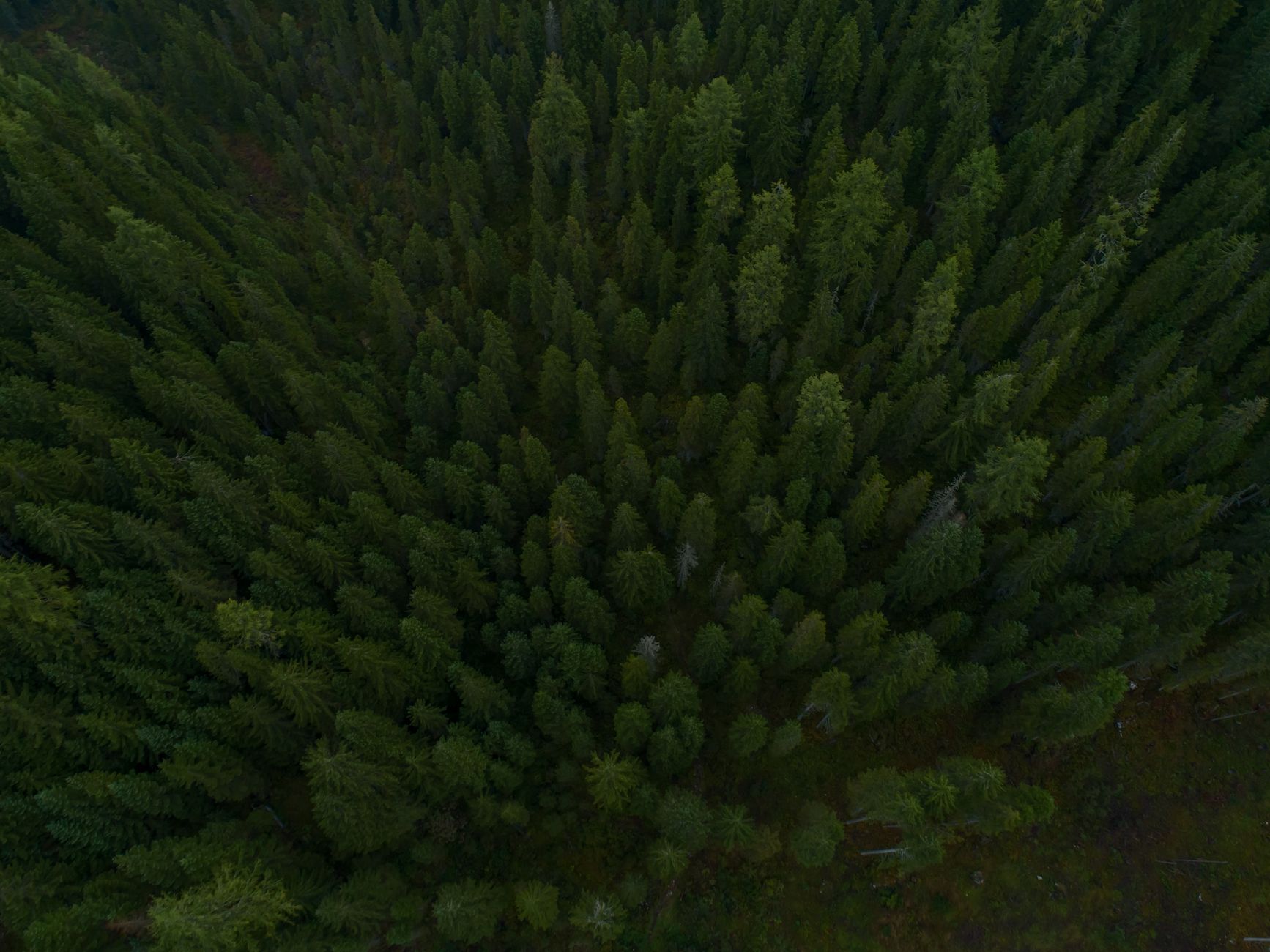
In a serene corner of Wisconsin, scientists have been engaged in a remarkable experiment that has spanned over a decade. Nestled amongst the trees, they altered the very air around a forest, aiming to uncover the mysteries of carbon dioxide's impact on plant life.
The study, which involved exposing the forest to elevated levels of carbon dioxide, revealed a significant increase in productivity, with trees growing 39% more than their counterparts in normal conditions. This boost in growth provides a tantalising glimpse into the potential of forests to act as carbon sinks in the face of rising emissions.
Ozone's Unforgiving Counterbalance
Yet, it wasn't all smooth sailing. The introduction of ozone, another component of the study, presented a stark contrast. Ozone's presence negated part of the productivity gains, highlighting its detrimental effects on tree health and growth. This dual approach offers a comprehensive view of how these gases interact, sometimes with conflicting outcomes.
Professor Jane Smith, leading the research team, commented, "Our findings underscore the complexity of forest ecosystems and the need for nuanced approaches to managing carbon emissions."
Implications for Future Policies
The results of this experiment could have wide-reaching implications, especially in crafting policies aimed at mitigating climate change. By understanding how forests respond to different atmospheric conditions, scientists can better predict how these ecosystems might behave in a future dominated by human-induced climate shifts.
In conclusion, while elevated carbon dioxide levels might boost tree growth, the interplay with ozone cannot be ignored. As the world grapples with the challenges of climate change, such studies are crucial in guiding us towards sustainable solutions.