World Leaders Converge on Delhi for Pivotal BRICS Summit
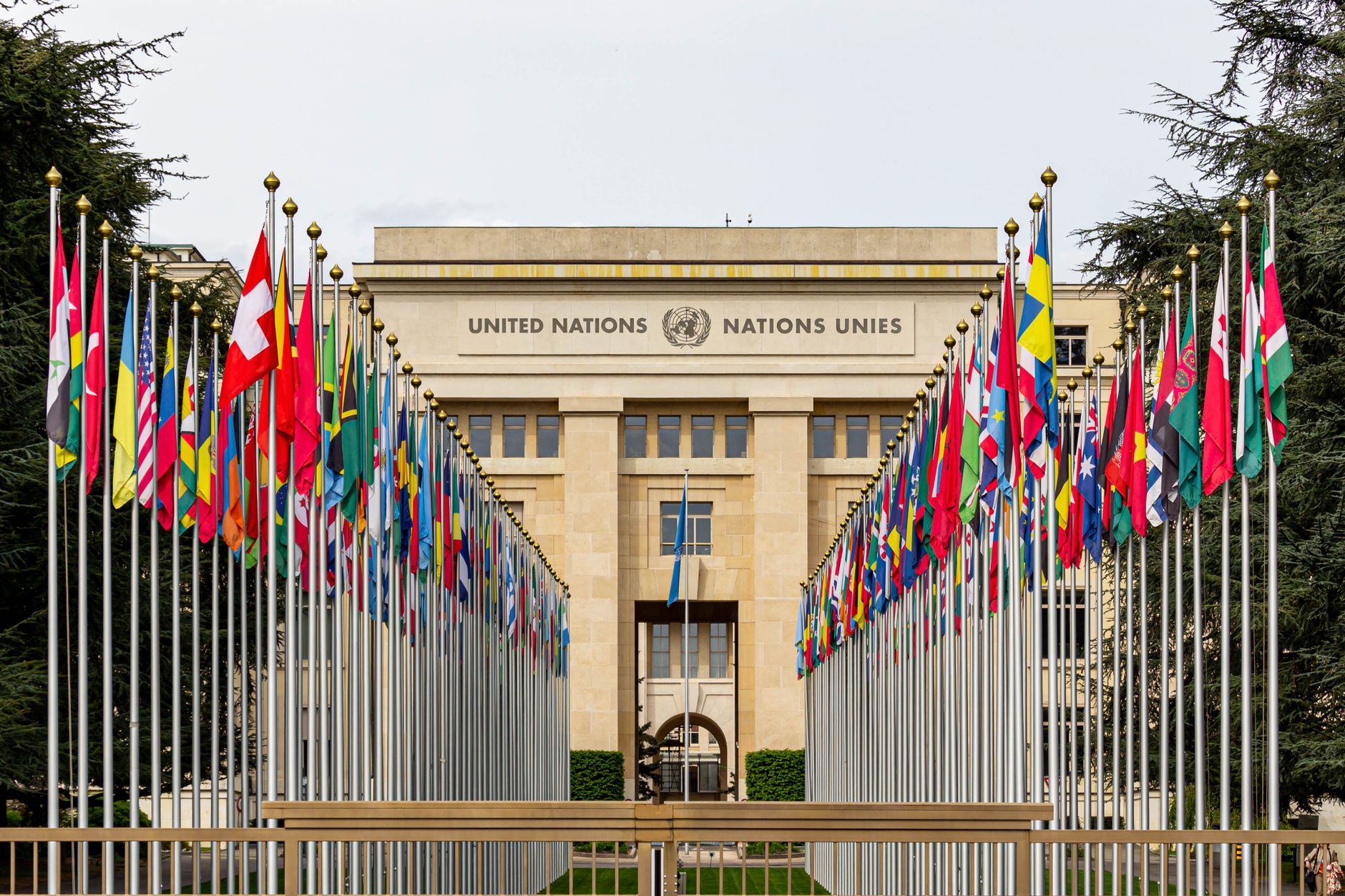
New Delhi, a city steeped in history and politics, is currently the epicentre of a gathering that could shape the global order for years to come. The 18th BRICS Summit, hosted by India, has drawn leaders from Brazil, Russia, India, China, and South Africa to discuss a myriad of pressing issues. Against a backdrop of global unrest and economic uncertainty, these discussions hold significant weight.
Amidst the grandeur of India's capital, the agenda is as ambitious as it is expansive. Key topics include global governance, trade and investment, technology, and crucially, energy security and disaster resilience. These are not mere talking points; they are the foundation for a future less reliant on Western hegemony.
The presence of Russian President Vladimir Putin, despite geopolitical tensions, underscores the importance of the summit. China's Xi Jinping, too, has made the journey, signalling a commitment to the BRICS vision of a multipolar world. Their participation is a testament to the bloc's potential as a counterweight to Western influences.
However, the path to consensus is fraught with challenges. Rising energy prices and the ongoing conflict in Ukraine are just two of the issues that threaten to overshadow proceedings. Yet, these very challenges also provide an impetus for unity, as BRICS nations look to bolster their collective resilience in food, energy, and health sectors.
As the summit progresses, the world watches closely. The outcomes could redefine not just the economic landscape but also the geopolitical alliances of the future. For India, hosting the summit is both a diplomatic coup and a chance to position itself as a leader among emerging economies.
What remains clear is that the conversations in New Delhi are more than ceremonial. They are a crucial step in addressing the shared challenges of a rapidly changing world, with the BRICS nations at the helm of crafting new solutions.