WWF Urges Global Food Production Reform to Halt Biodiversity Loss
In a stark warning to the world, the World Wildlife Fund (WWF) has called for a fundamental change in the way food is produced globally. According to their latest report, vertebrate populations have suffered a precipitous decline of 73% since the 1970s, a period marked by rapid agricultural expansion and habitat encroachment.
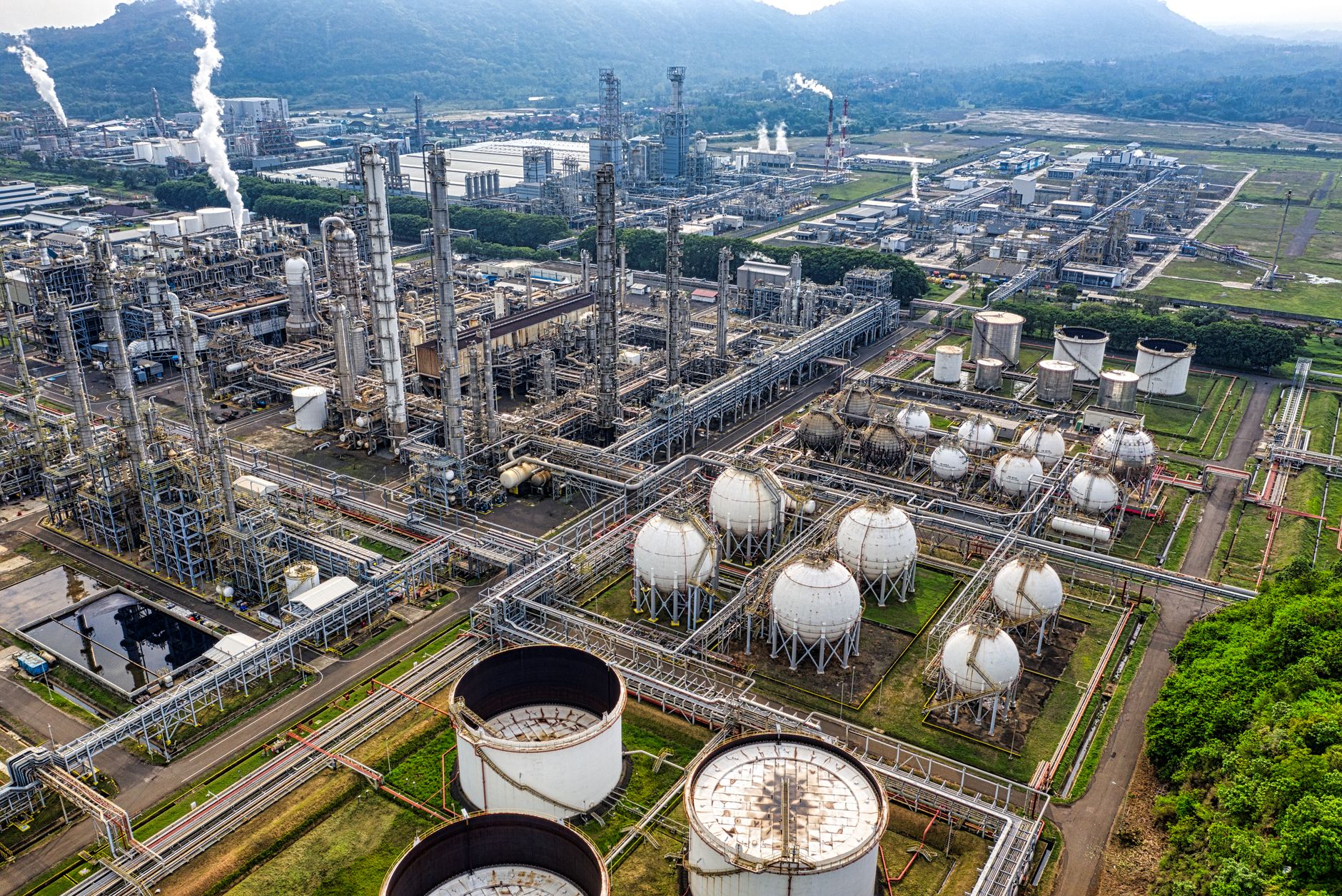
As the planet grapples with dwindling wildlife and vanishing habitats, the WWF warns that without immediate and significant reforms in agriculture, we risk an irreversible collapse of biodiversity. The crux of the problem lies in current food production methods, which often prioritise short-term yield over long-term ecological stability.
Shifting Agricultural Paradigms
The WWF advocates for an overhaul of current agricultural practices. By improving crop yields, particularly in regions like Africa, we can reduce the pressure on natural habitats, many of which are being converted into farmland at alarming rates. As these natural spaces shrink, the species that depend on them face increasing threats to their survival.
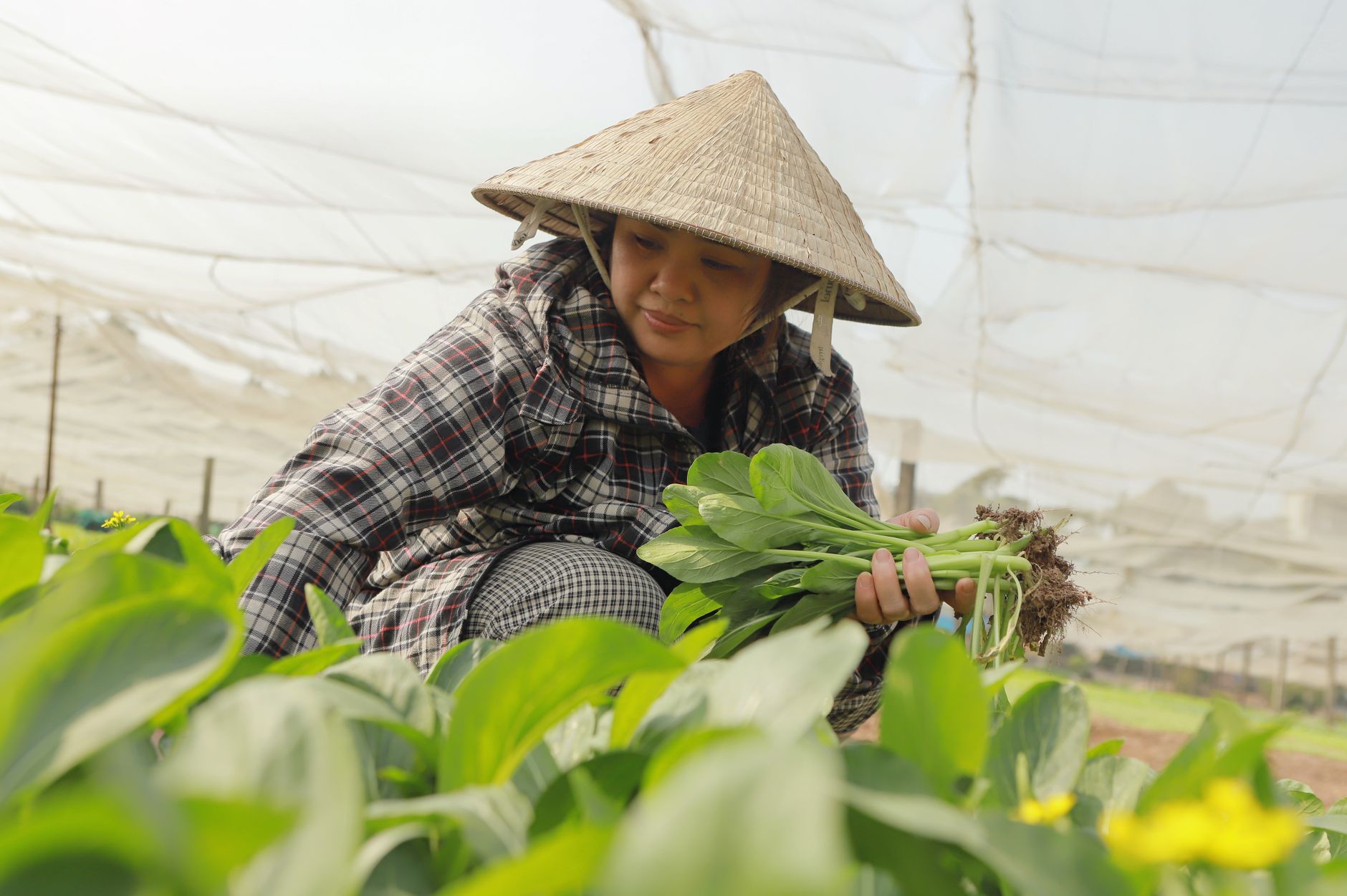
Moreover, the transition towards sustainable agriculture could serve a dual purpose: safeguarding wildlife while also addressing food security concerns. The WWF underscores the need for policies that encourage eco-friendly farming techniques, which could include crop diversification, reduced chemical usage, and the integration of technology to monitor and manage farms more efficiently.
Global Cooperation Required
However, this is not an issue any single nation can tackle alone. The WWF stresses the importance of international cooperation in crafting solutions that are both regionally tailored and globally coordinated. By sharing knowledge and resources, countries can develop strategies that not only preserve biodiversity but also bolster local economies.
The urgency of the WWF's appeal cannot be overstated. As the world inches closer to a tipping point, it becomes imperative to re-evaluate how we produce food and at what cost to our planet. It is a call for action that aims to safeguard the delicate balance of life on Earth, ensuring that both people and nature can thrive in harmony.