Youth Conversations: Mental Health in Education Under Spotlight
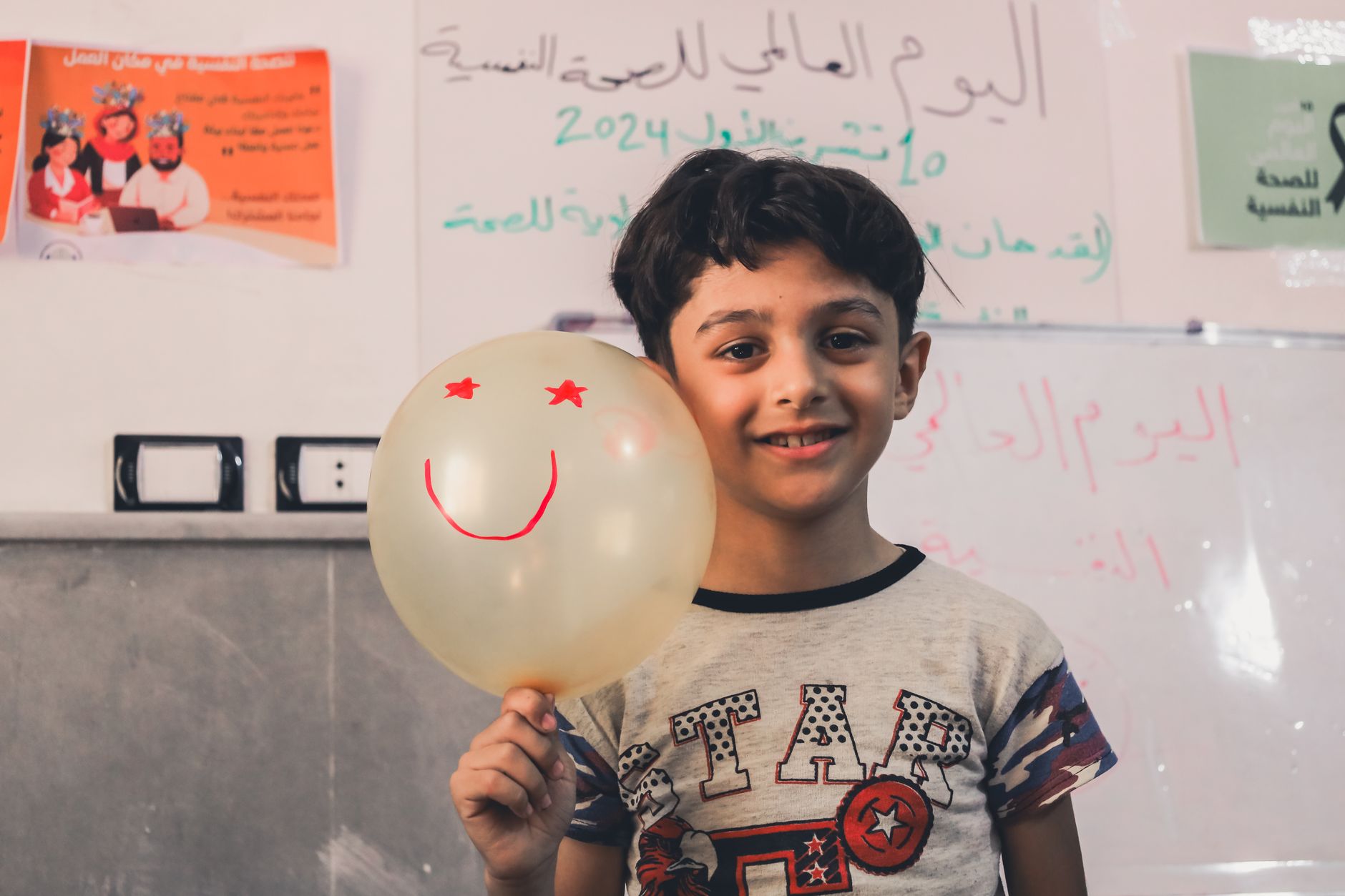
As the clock struck two on 12 October 2026, young voices from around the globe converged for a dialogue on a matter that is often whispered about but seldom addressed in depth. The SDG 4 Youth & Student Network's online gathering marked World Mental Health Day with a focus that demanded attention: the mental well-being of students within educational systems.
The virtual event, which spanned continents and time zones, saw a plethora of personal narratives and professional insights being shared. Participants discussed the challenges faced by students, ranging from academic pressures to social isolation, and how these impact mental health. The dialogue aimed not just at airing grievances, but at fostering actionable solutions.
A Multilayered Issue
Mental health in education is not a problem with a single cause or solution. Rather, it is a tapestry woven from various threads, including societal expectations, institutional policies, and individual capabilities. As one participant noted, "A student's mental health is not just their own responsibility; it's a shared concern for the whole community."
Indeed, the World Health Organisation defines mental health as a state of well-being that enables individuals to cope with life's stresses. For students, achieving this state is hindered by a myriad of obstacles, both personal and systemic. The dialogue emphasised the importance of creating a culture of care, where educational institutions play a proactive role in mental health support.
Actionable Insights
One of the standout themes from the discussion was the need for an ecosystem approach. This idea posits that mental health support should be integrated across various facets of a student's life, from classroom interactions to extracurricular activities. It calls for educators to be trained in recognising signs of mental distress and for curriculums to include mental health education.
The dialogue also highlighted the urgent need for policy change. There was a call for governments and educational bodies to prioritise mental health funding and resources, ensuring that students do not fall through the cracks due to lack of support.
Ultimately, the event served as a rallying call. It underscored the necessity for collective action, inviting all stakeholders to contribute towards a more supportive educational environment. The youth, once again, demonstrated their capacity to lead conversations that matter, urging the world to listen and act.