Youth Demand Change: A Deep Dive into India's Education Spending Woes
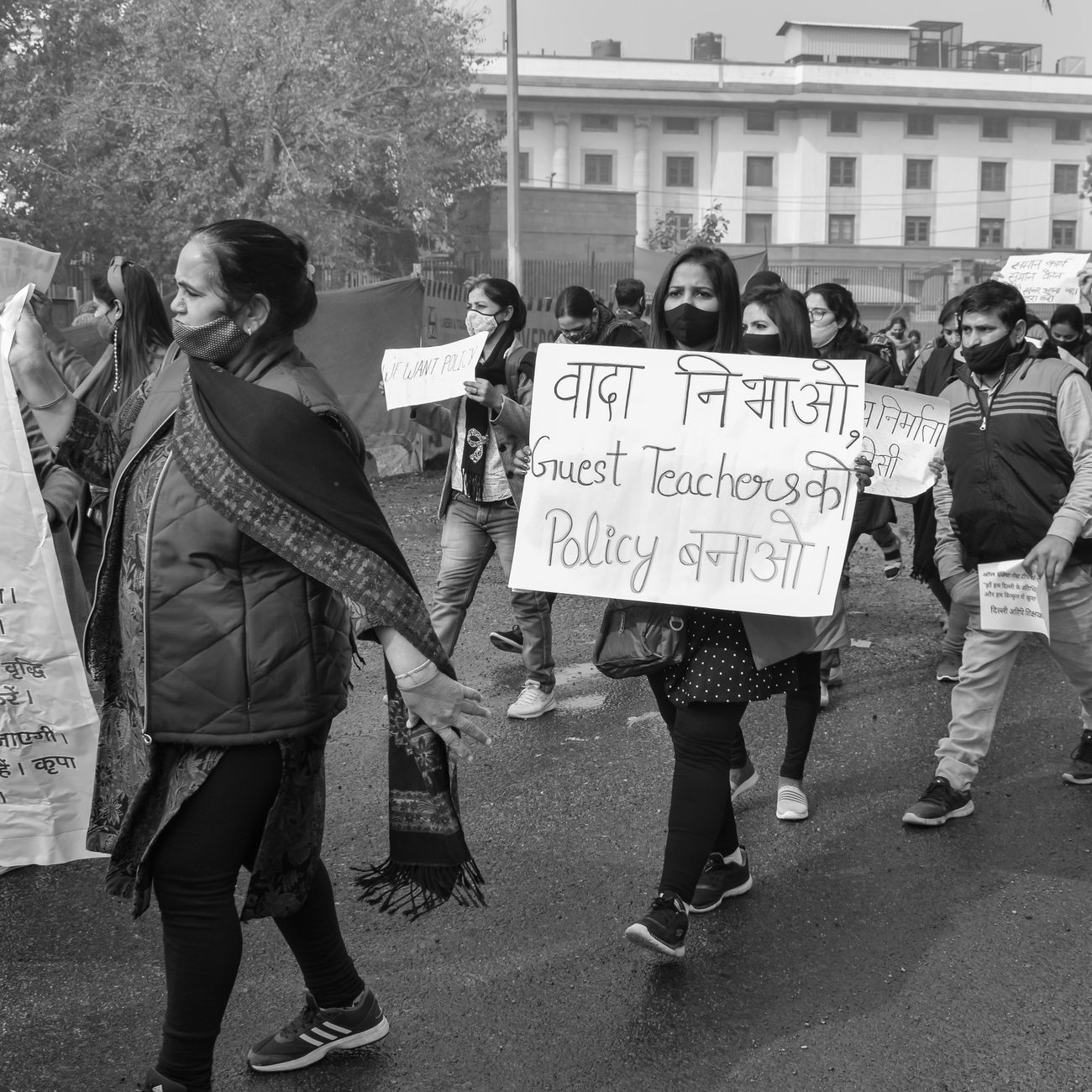
In the sweltering heat of Delhi, a new battleground has emerged at Jantar Mantar, where the clamour of youthful voices has pierced the usual hum of the city. These protests, demanding the resignation of Education Minister Dharmendra Pradhan, have shone a harsh light on the declining expenditure on education across Indian states.
While the Union government's share of spending on education has been waning, the real story lies within the patchwork of state budgets. Over the past 12 years, there's been a notable decline in how much states are willing—or able—to invest in education. This trend has sparked outrage among the youth, who see their futures slipping through the fingers of a system they feel is failing them.
Pradhan's resignation, following a week of relentless demonstrations, marks a rare victory for the youth-led movement. What started as a protest against a cancelled college entrance exam in May has burgeoned into a wider movement against perceived corruption, inadequate job opportunities, and mismanagement within the education system.
States are now under pressure to reassess their financial priorities. The variation in spending is stark: some states have managed to increase their budgets modestly, while others have seen cuts that critics argue are unsustainable. This inconsistency has exacerbated educational inequality, with poorer regions being hit hardest.
Analysts point to a broader economic context where fiscal constraints have tightened the purse strings across sectors. However, the youth argue that education should be a non-negotiable investment. As they take to the streets, their message is clear: education is not an expenditure but an investment in the future.
The protests have also highlighted the need for transparency and accountability. The youth are not just demanding more money but also a system that ensures funds are used effectively. This call for reform is a challenge to the status quo, urging a rethinking of how education is prioritised and funded in the country.
As the dust settles on Pradhan's resignation, the question remains: will states rise to the occasion and address the root causes of the protests? For now, the youth have shown that their voices, when unified, have the power to effect change.