Youth Movement Triumphs as Indian Education Minister Steps Down
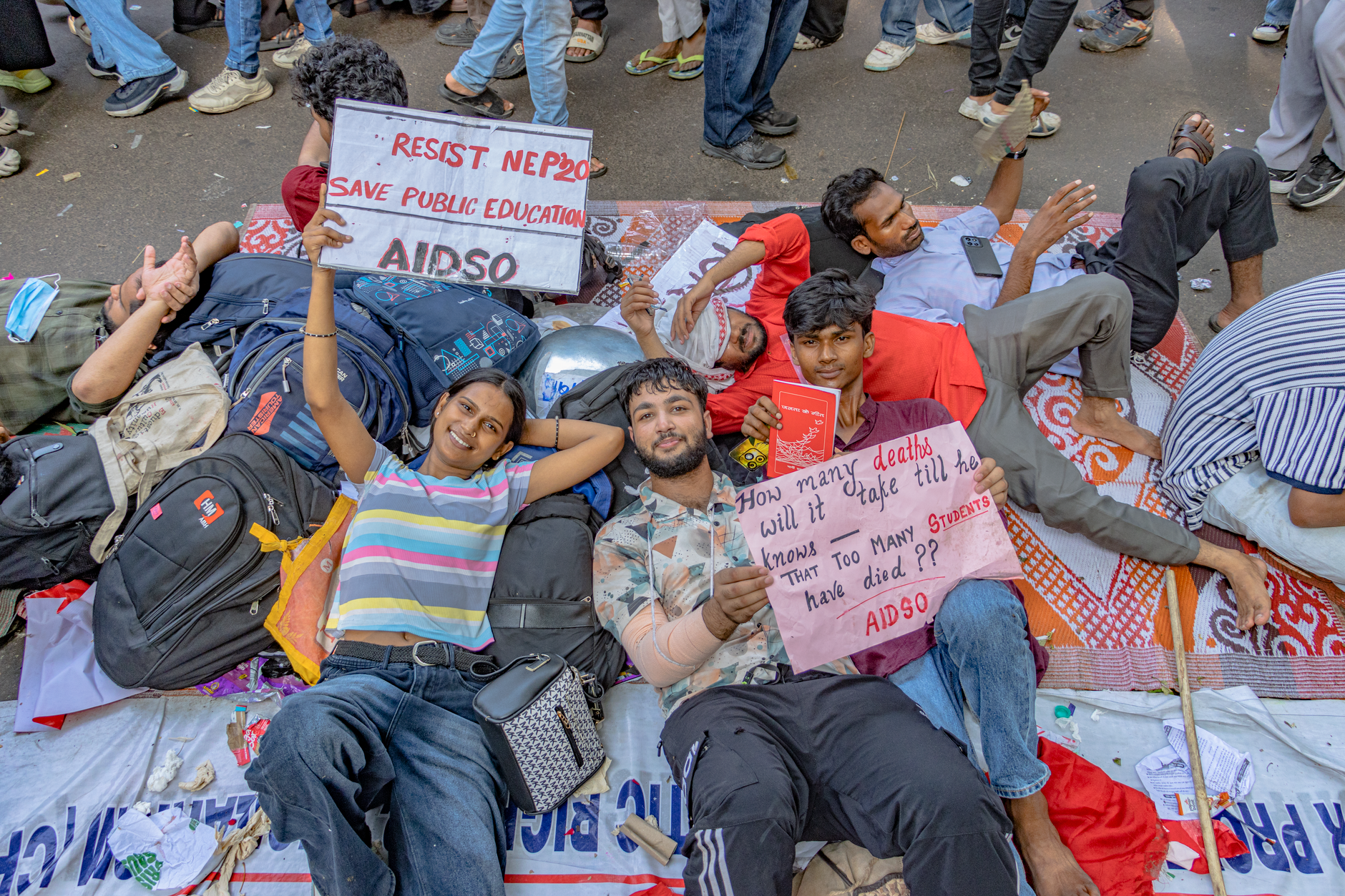
In a resounding statement of political dissent, India's youth have brought an end to weeks of fervent protest following the resignation of Education Minister Dharmendra Pradhan. This development marks a rare triumph for the 'Cockroach' protest movement, a formidable coalition of students and young activists who have been vociferously demanding reform in the wake of embarrassing examination paper leaks.
The movement, a grassroots initiative known as the Cockroach Janta Party (CJP), has captured the nation's attention with its unyielding stance. The moniker 'Cockroach' was adopted to symbolise resilience and an ability to survive against the odds — qualities that the protesters have certainly embodied. Their campaign, characterised by peaceful marches and a notable hunger strike that lasted 26 days, has shone a spotlight on systemic issues within India's educational framework.
Pressure Mounts on Government
The resignation of Minister Pradhan is seen by many as an acknowledgment of the government's failure to adequately address the examination scandal, which undermined public trust. The leaks, affecting major national exams, had sparked outrage among students who saw their academic futures at stake. "We have called off our protests, but our demands for comprehensive reform remain," said a spokesperson for the CJP. "This is just the beginning."
Analysts suggest the government's decision to acquiesce indicates the mounting pressure from a politically engaged youth demographic that is increasingly unwilling to tolerate inefficiency and corruption. The resignation may offer temporary respite, but it leaves the government grappling with the broader challenge of regaining credibility among young voters.
Lingering Discontent
While the resignation is a significant victory for the Cockroach movement, it has also laid bare the simmering discontent amongst India's youth. With unemployment rates soaring and educational institutions often critiqued for outdated curricula, the calls for systemic reform are unlikely to abate. The movement's leaders have pledged to remain vigilant, promising to hold the government accountable and to push for further reforms.
As the dust settles, the question remains: will this political concession lead to meaningful change, or is it merely a temporary appeasement? Only time will tell, but for now, the Cockroach movement has proved that persistence can indeed bring about change.