Youth Protesters in India Claim Victory as Education Minister Resigns
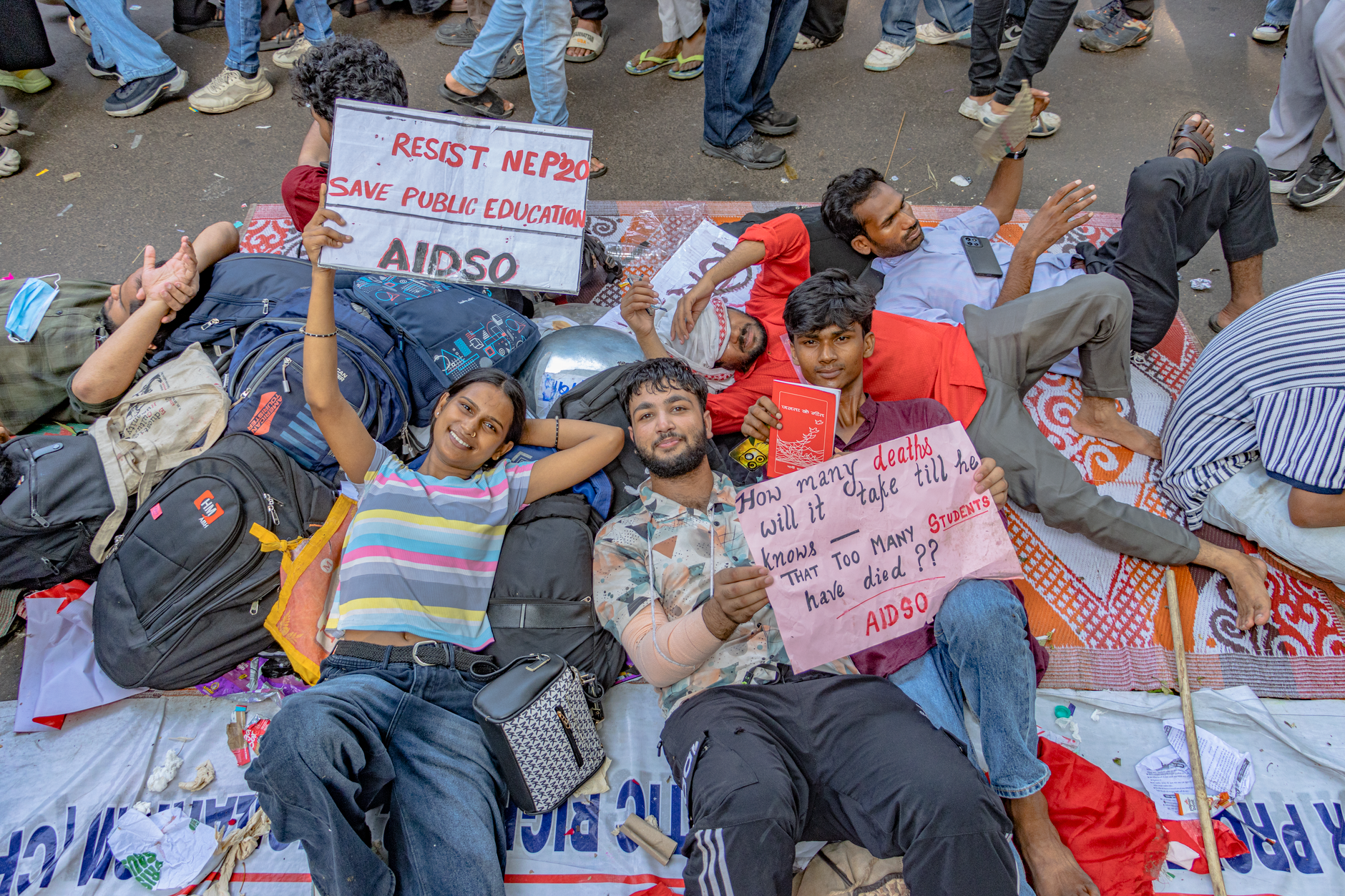
The dusty streets of Delhi's Jantar Mantar reverberated with chants of celebration as youthful demonstrators, part of the Cockroach Janta Party (CJP), savoured their hard-fought triumph. Dharmendra Pradhan's resignation as Education Minister brought an end to the fervent five-week-long protests against a series of examination paper leaks, which had infuriated students across India.
A Movement Born of Frustration
The protests were not merely a reaction to the administrative lapses but a culmination of frustrations that have been simmering among India's youth. The CJP, a coalition of student unions and independent organisations, emerged forcefully onto the scene, demanding accountability and transparency in the education system.
Pradhan's exit is viewed by many as a concession to the demands of the young protesters, who had captured the nation's attention with their relentless vigour and organisation. The resignation is seen as a significant moment in a country where ministerial accountability is often elusive.
Celebrations and Lingering Discontent
While the resignation has pacified the immediate unrest, it has not extinguished the underlying discontent. The paper leaks were a trigger, but the broader issues of unemployment and education quality remain unresolved. At Jantar Mantar, the atmosphere is one of cautious optimism. Jubilant yet aware of the challenges ahead, the youth continue to call for systemic reforms.
The CJP has declared this episode a win for democracy, a testament to the efficacy of peaceful protest. Yet, as the banners are rolled up and the chants fade, the question lingers: will the government heed the broader demands of its young citizens?
For Prime Minister Narendra Modi's administration, Pradhan's resignation is a stark reminder of the potent force that India's youth can become when united. The government now faces the delicate task of addressing their grievances without further stoking the fires of dissent.