Youthful Exoplanet Sets New Record in Cosmic Nursery
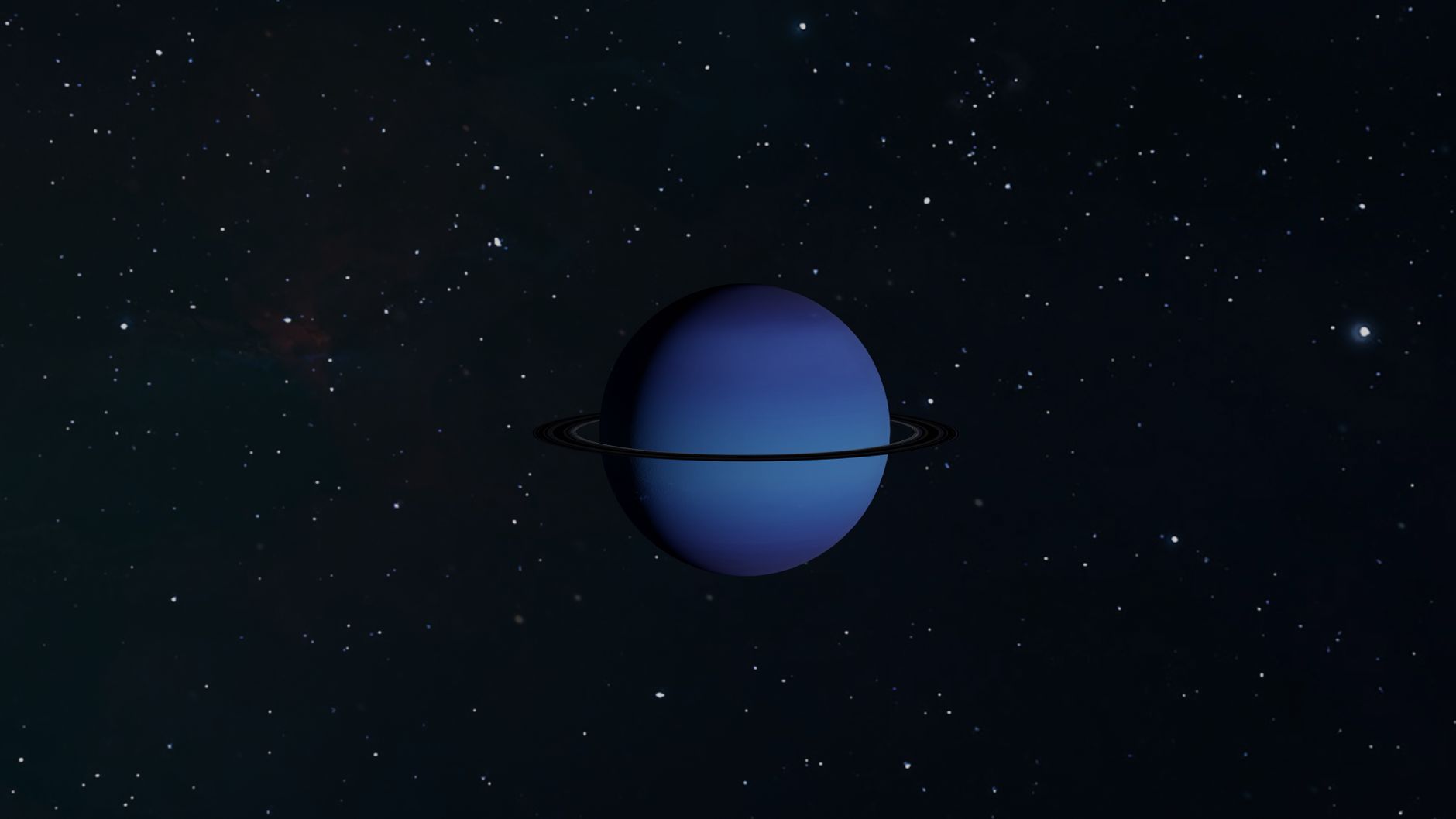
In the vast expanse of the cosmos, where time seems to stretch interminably, a discovery has emerged that might just offer a glimpse into the universe's infancy. Astronomers have identified a new exoplanet orbiting the star Elias 2-24, situated a mere 450 light-years from Earth, as the youngest planet we know of to date. This celestial infant is about as massive as Jupiter, yet its youth sets it apart, adding a fascinating chapter to our understanding of planetary formation.
Located in what can only be described as a cosmic construction zone, this nascent world provides scientists with a rare opportunity to study the conditions that prevail during the earliest phases of planetary development. The discovery, announced by NASA scientists, has been chronicled in the Astrophysical Journal Letters, providing a window into the processes that may have once shaped our own solar system.
The exoplanet's presence has sparked a flurry of excitement within the scientific community, as it embodies the theoretical models of planet formation in real time. The star Elias 2-24 itself is a relatively young celestial body, further underscoring the novelty of this find. As astronomers peer into this distant star system, they are effectively looking back in time, observing the raw ingredients of planetary genesis in action.
Implications for Planetary Science
The implications of this discovery are profound. By studying such a young system, scientists can better understand the complex interplay of forces that lead to planet formation. This 'baby' planet serves as a natural laboratory, allowing researchers to test hypotheses and refine models that explain how planets, including Earth, came to be.
Moreover, the data gleaned from this exoplanet could shed light on the conditions necessary for life. While Elias 2-24's planet may not host life itself, it offers clues about the environments that could foster the emergence of life elsewhere in the universe.
A Cosmic Time Machine
For researchers, this discovery represents a powerful tool—akin to a cosmic time machine—granting access to the early history of planetary systems. Each new piece of information extracted from this exoplanetary system enhances our comprehension of the universe and our place within it.
As technology advances and our ability to observe the heavens improves, the mysteries of the cosmos continue to unfold, each discovery adding to the intricate tapestry of our understanding. The youngest known exoplanet is but a single thread in this vast narrative, yet it holds the promise of unveiling secrets that have eluded astronomers for centuries.