Zimbabwe's Jurassic Treasure: New Dinosaur Species Unearthed
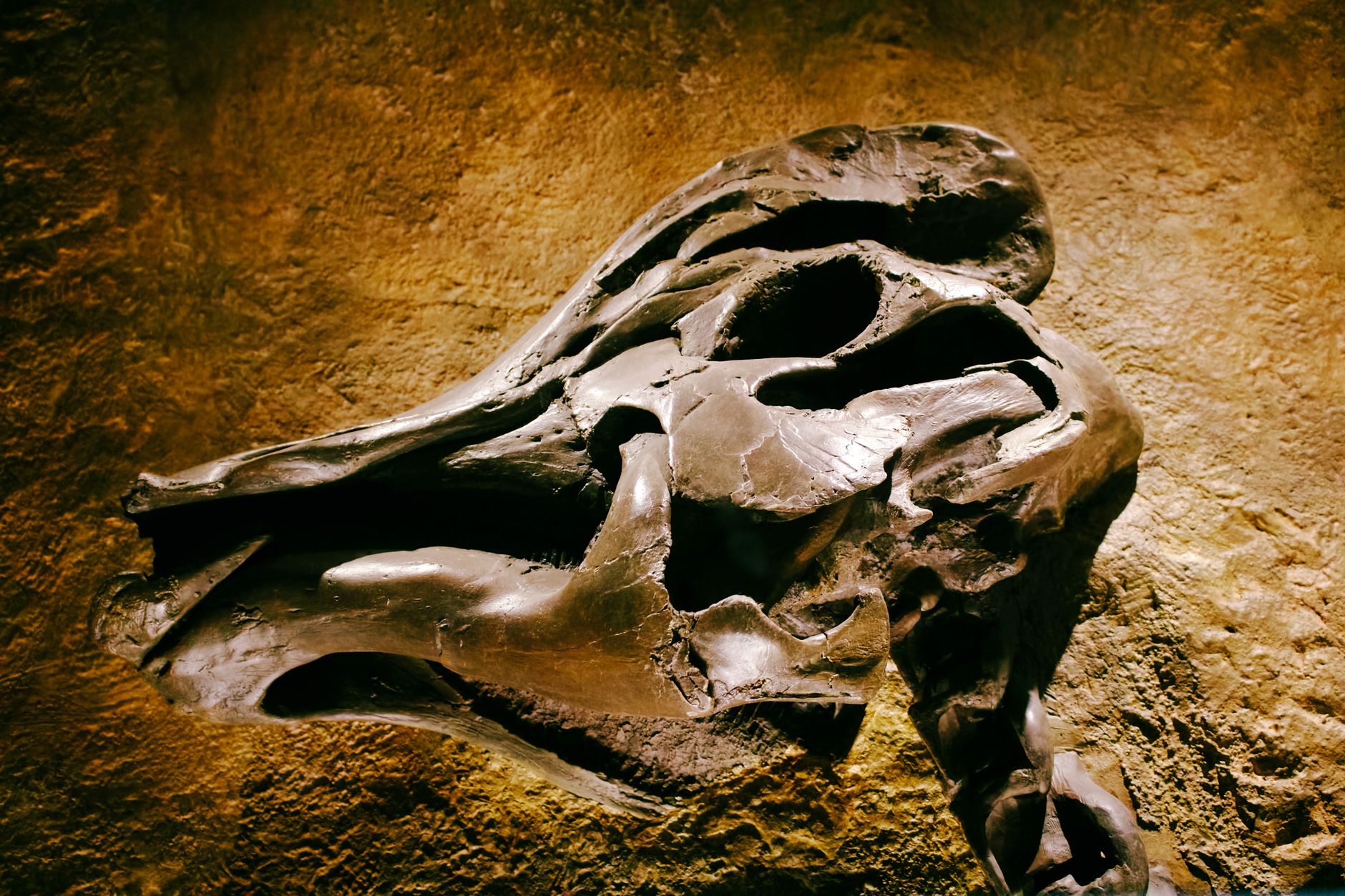
On the sunlit shores of Lake Kariba in northern Zimbabwe, where the tranquil waters meet the rugged landscape, scientists have made a discovery that echoes through time. They have unearthed a new dinosaur species, Musango matusadonaensis, dating back an astonishing 210 million years to the Late Triassic period.
Named after the Matusadona National Park, the region where the fossils were found, this remarkable find is stirring the scientific community. This species adds a significant piece to the puzzle of dinosaur evolution, particularly in southern Africa, where only four dinosaur species have been named so far.
A Window into Ancient Ecosystems
Dr. Sarah Thompson, a leading palaeontologist from the University of Birmingham, who co-authored the study, explained, "This discovery highlights the rich and diverse ecosystems that existed in southern Africa during the Late Triassic period. Musango matusadonaensis provides new insights into the evolutionary pathways of early dinosaurs."
Such findings are crucial. They offer a glimpse into a world long gone, revealing how these ancient creatures adapted to their environments. The collaborative effort between researchers from the UK, South Africa, and Zimbabwe underscores the importance of international cooperation in unravelling our planet's past.
Potential for Future Discoveries
This new dinosaur species is more than just a scientific curiosity; it is a testament to the untapped potential of Zimbabwe's landscape for further discoveries. Researchers believe that many more dinosaur species await discovery across the continent, hidden beneath the surface, waiting to tell their stories.
As Dr. Thompson optimistically noted, "Southern Africa is a treasure trove for palaeontologists. Each new find enriches our understanding of the prehistoric world and inspires future generations of scientists."
This discovery not only enriches our knowledge of dinosaur diversity but also propels Zimbabwe into the spotlight as a significant site for palaeontological research. As the layers of history are peeled back, who knows what other secrets lie buried in the earth, waiting to be uncovered?