AIIMS Jodhpur Protests Prompt Health Ministry Shake-Up

The corridors of AIIMS Jodhpur are resonating with chants of protest as resident doctors continue their strike, which has now entered its second week. Provoked by the untimely demise of a first-year resident doctor, the medical fraternity is demanding urgent reforms, highlighting a litany of grievances about their working conditions.
In an unexpected development, the Union Health Ministry has responded by reshuffling the administrative hierarchy. The Executive Director of AIIMS Jodhpur has been relocated to Delhi, a move seen by many as an attempt to quell the unrest and bring a semblance of order to the beleaguered institution.
Underlying Tensions
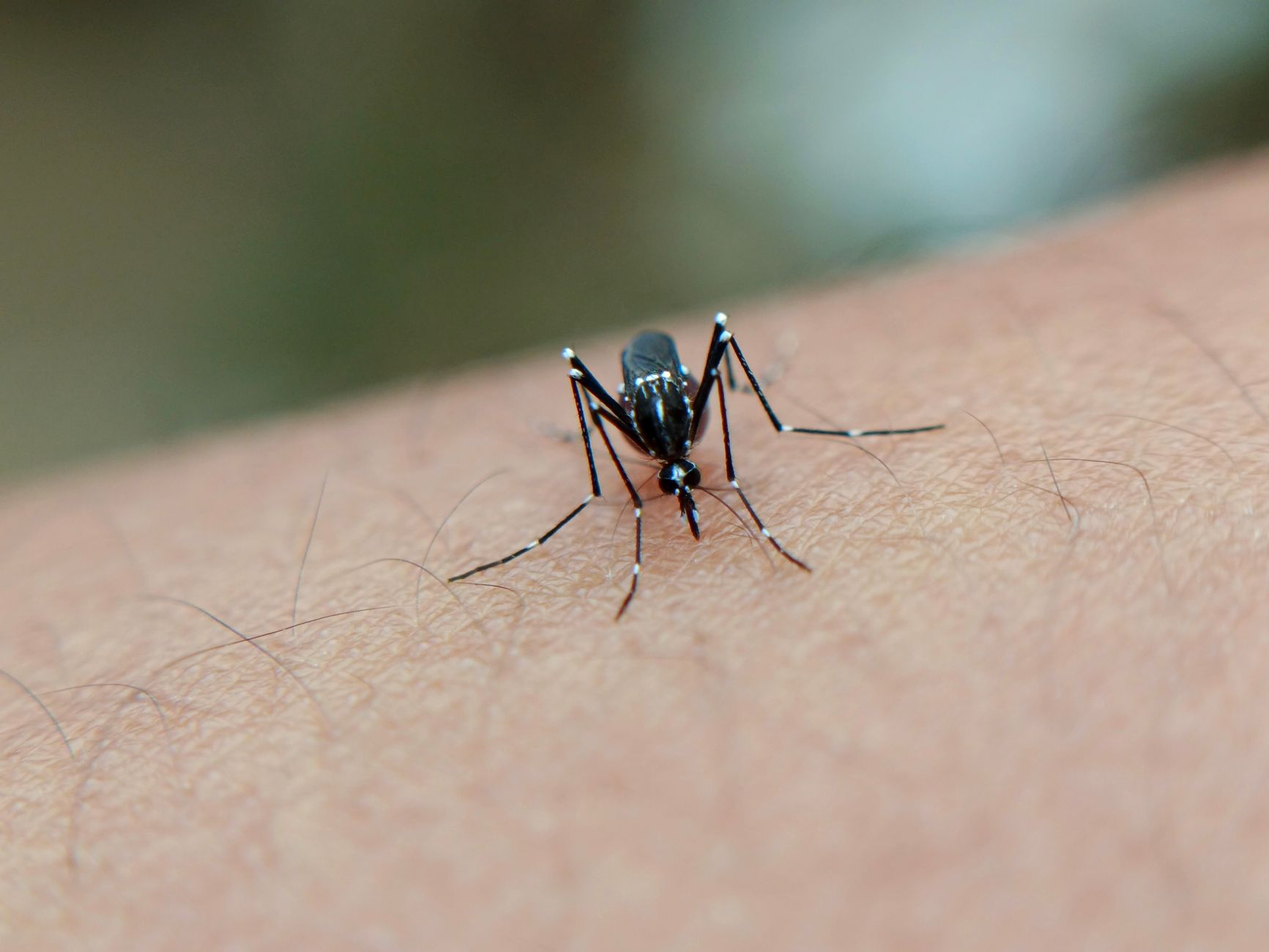
The protests began following the death of a young doctor who succumbed after a bout with dengue. His passing has become a symbol of the larger systemic issues plaguing medical institutions across the country. Resident doctors argue that the working conditions are not only harsh but perilously close to breaking point, with long hours and inadequate support being just part of the problem.
Dr. Tejas Patel, one of the protest leaders, stated, "We are not just fighting for ourselves but for the future of healthcare in India. The system needs to change, and it needs to change now." The resident doctors' demands include better staffing, enhanced infrastructure, and a more transparent administrative process.
Government's Response
The Health Ministry's decision to shift the Director is a clear signal of the seriousness with which it is treating the protests. However, the move has also drawn criticism, with some seeing it as an insufficient response to the core issues raised by the doctors.
Negotiations between the resident doctors and health officials have, thus far, yielded little progress. Talks continue to stall, with both sides seemingly entrenched in their positions. The doctor's strike has disrupted hospital services, prompting concerns about patient care.
As the situation develops, one thing remains clear: the protests at AIIMS Jodhpur have shone a spotlight on the urgent need for healthcare reform in India. Whether this will lead to meaningful change or become another chapter of unheeded grievances remains uncertain, but the pressure on policymakers is mounting.