Balancing Tourism and Ecology in Jammu and Kashmir: A Delicate Dance
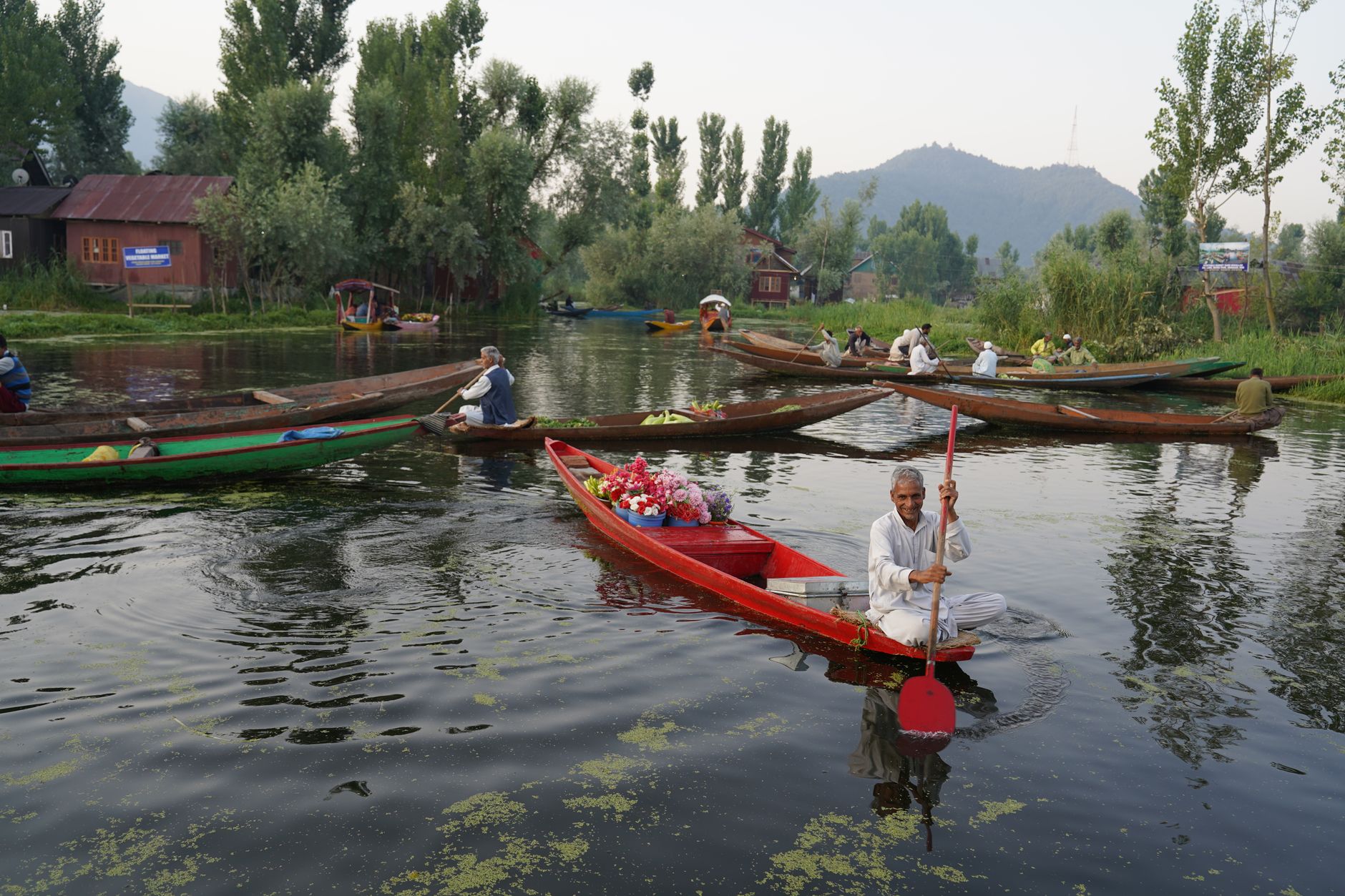
It was a gathering not just of tourism enthusiasts but of conscientious stewards of the environment. The Ethical Tourism Conclave held in Srinagar saw Lieutenant Governor Manoj Sinha delivering a poignant message: tourism in Jammu and Kashmir must proceed hand-in-hand with environmental sensitivity. With tourist numbers reaching unprecedented levels, the call for a balanced approach has never been more pressing.
Addressing the conclave, Sinha lauded the record influx of tourists, a testament to the Union Territory's allure. However, he quickly pivoted to the core message of his address, stressing that development and conservation must coexist harmoniously. 'Our forests, lakes, and rivers are not mere backdrops to tourism. They are integral to our heritage and must be preserved,' he urged.
The Economic Paradox
The burgeoning tourism sector has brought much-needed economic benefits to the region, providing jobs and boosting local businesses. Yet, this economic boon poses a paradox. Increased human activity can strain the very environment that draws visitors in the first place. Sinha's remarks highlight a critical juncture: the need for sustainable practices that allow for growth without sacrificing ecological integrity.
The Lieutenant Governor’s call to action involves adopting environmentally friendly tourism practices. This entails regulating tourist activities around sensitive ecosystems, promoting eco-friendly accommodations, and enforcing strict waste management protocols. Such measures, he argues, are not just preferable but essential.
Adopting a New Model
Jammu and Kashmir's unique topography, with its lush forests, pristine rivers, and majestic mountains, offers a compelling case for a new model of tourism. Sinha's vision involves crafting policies that prioritise environmental education and awareness among tourists and residents alike. By fostering a culture of respect for nature, the region can safeguard its natural treasures for future generations.
As the conclave concluded, the sentiment was clear: the journey towards sustainable tourism in Jammu and Kashmir is one that requires collective effort and unwavering commitment. With the Lieutenant Governor's guidance, the region stands poised to lead by example, demonstrating that development and conservation can indeed go hand in hand.