Brain Scans and the Ethics of 'Detecting Evil' in Criminal Justice
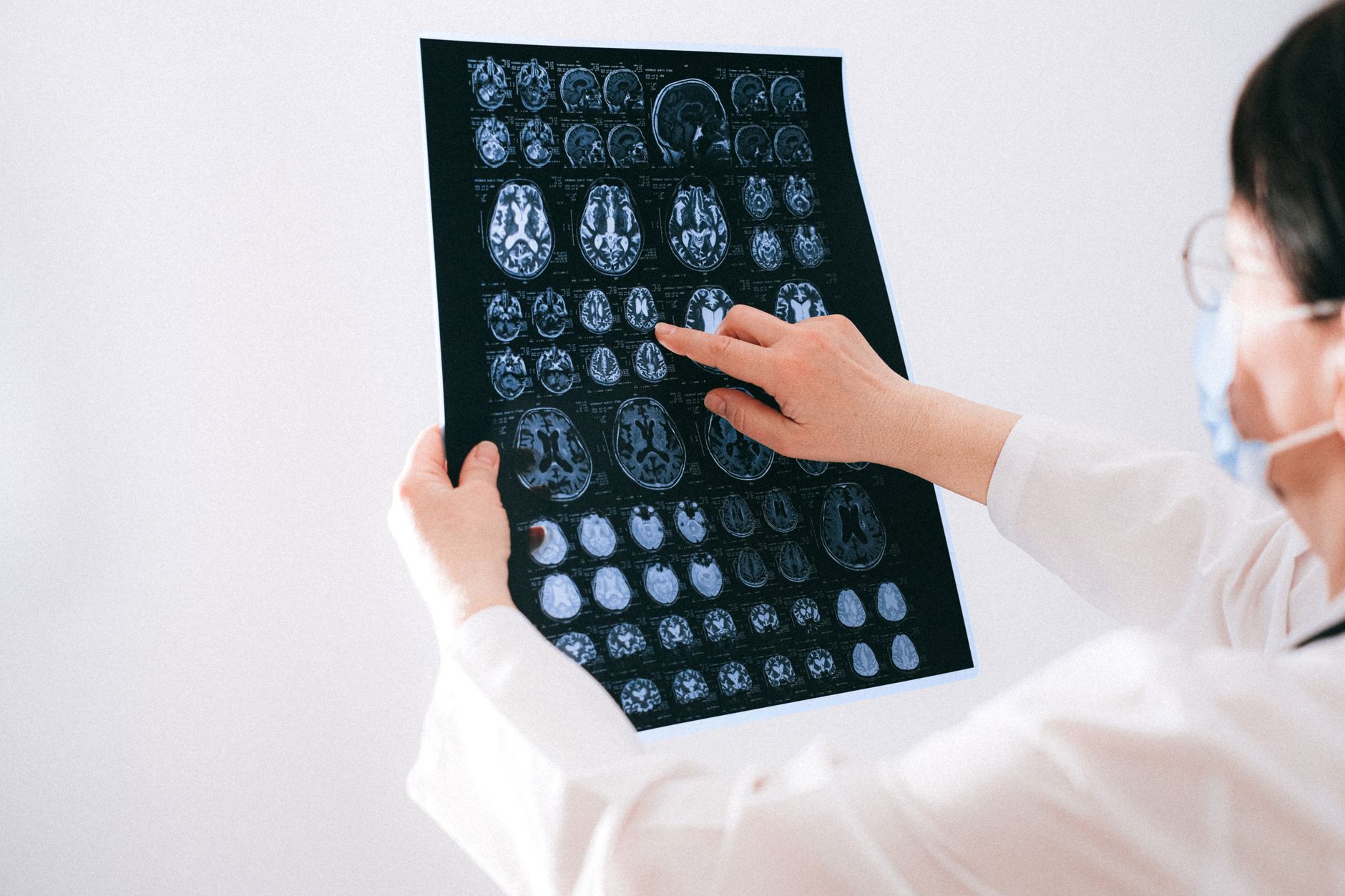
In a courtroom, where justice hangs in balance, a new player has entered the scene: the brain scan. This cutting-edge technology, once confined to hospitals and research labs, is now finding its way into the judicial process. At the heart of this development is neuroscientist Kent Kiehl, who claims he can identify signs of 'evil' in the brains of prisoners. His assertions have ignited a furore, particularly after a case where his evidence allegedly contributed to a death row sentence.
Kiehl's work involves using MRI technology to examine the brains of incarcerated individuals. His research suggests that certain structural features in the brain can be indicative of violent tendencies. It's a bold claim, one that straddles the line between scientific discovery and moral dilemma. While some herald these findings as a breakthrough in understanding criminal behaviour, others view them with scepticism, citing the potential for misuse and the ethical quagmire they pose.
Science Meets the Law
The introduction of neural imaging as evidence in courtrooms is not without precedent. In recent years, similar methodologies have been employed to argue for leniency in sentencing, particularly in cases involving severe mental illness. However, the notion of using brain scans to detect 'evil' is unprecedented and controversial. Critics argue that such evidence could be misinterpreted or over-valued, leading to unjust outcomes.
The case in question has sparked a heated debate about the role of neuroscience in the legal system. Can a scan truly reveal the propensity for violence, or is it merely a snapshot of a complex web of genetic, environmental, and psychological factors? The stakes are high, as the outcome of this discourse could shape future legal proceedings.
Ethical and Legal Implications
The ethical implications are profound. If the courts accept brain scans as definitive evidence of criminal intent, the ramifications could be far-reaching. There is a risk of reducing complex human behaviours to mere neurological patterns, potentially overlooking the socio-economic and psychological influences that contribute to crime.
Moreover, the reliability of such scans is still a subject of debate within the scientific community. While they can offer insights into brain structure and function, they are far from infallible. The danger lies in their potential misapplication, where an individual's fate could be sealed by a single image.
As this debate unfolds, it underscores the need for a cautious approach to integrating scientific advances into the judicial system. The pursuit of justice must not be overshadowed by an overzealous reliance on technology. It is a delicate balance, one that requires careful consideration of both scientific evidence and the ethical dimensions it entails.