Community Health Officers Set to March on Bengaluru for Reform
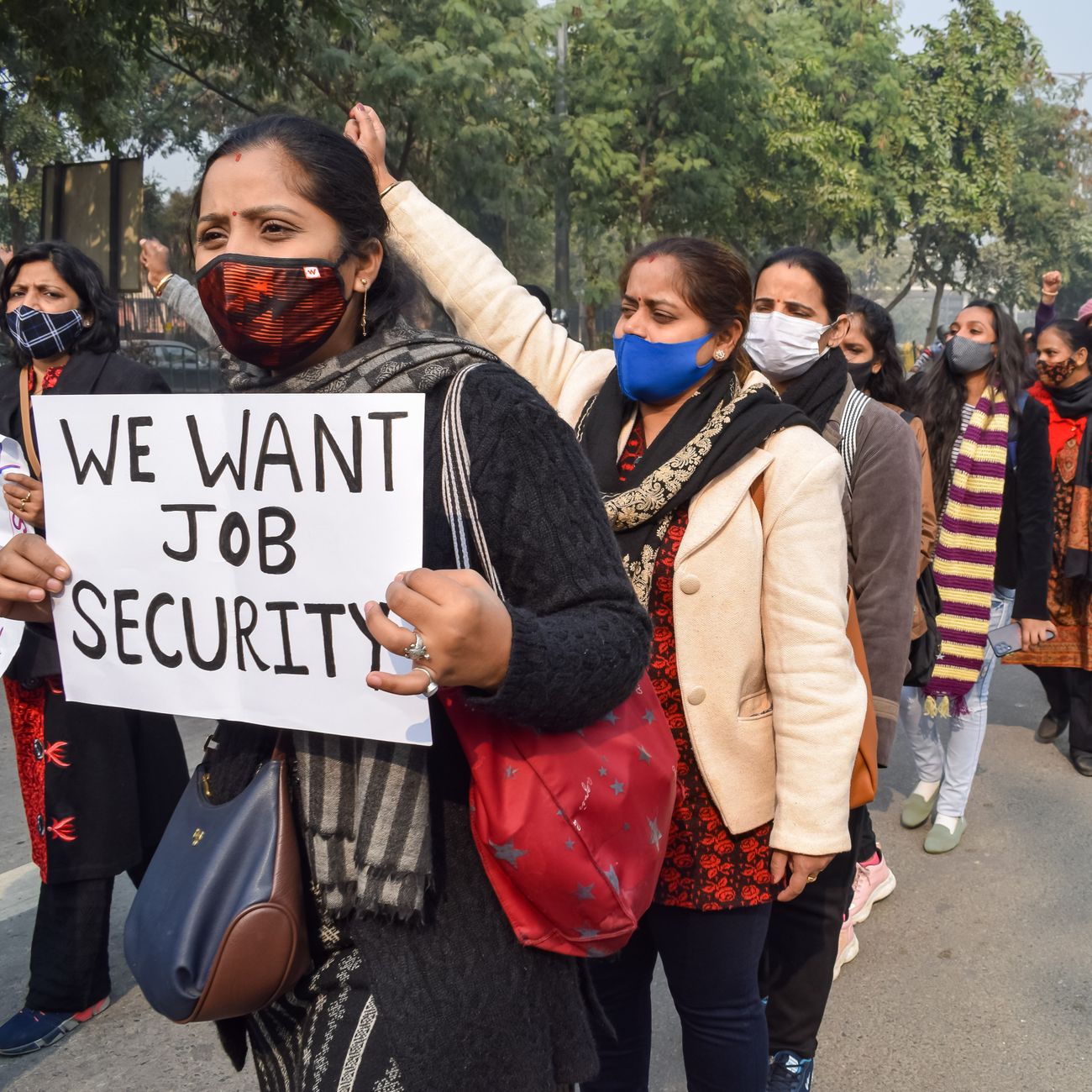
Bengaluru, known for its tech-savvy populace and bustling boulevards, is bracing for a different kind of procession. On 28 September, over 5,000 Community Health Officers (CHOs) are set to march on the city, demanding job regularisation and improved service conditions under the National Health Mission (NHM).
The frustration among the CHOs has been simmering for some time. Despite their pivotal role in the healthcare infrastructure, many feel they have been persistently overlooked in terms of job security and benefits. This protest, they hope, will push the government towards acknowledging and addressing their demands.
As the march winds its way to Bengaluru, the city's famed Outer Ring Road, already notorious for traffic snarls, is expected to witness an unusual influx. The traffic police have pre-empted the situation by advising IT companies in the tech corridor to delay logouts to ease congestion.
The Plight of Community Health Officers
CHOs are the backbone of the NHM, often serving in remote and underserved areas where medical facilities are sparse. Their responsibilities are numerous, ranging from providing primary healthcare to educating communities about preventive measures. Yet, their professional conditions have not reflected the significance of their work.
Job regularisation remains a critical demand. Many CHOs are employed on contractual terms, with little assurance of long-term security. The protestors argue that without stable employment, the quality and consistency of healthcare services are at risk.
Implications for the Health Sector
The protest highlights a broader issue within India’s healthcare system: the need for systemic reforms to support frontline workers adequately. As the country grapples with healthcare challenges, the role of CHOs becomes even more crucial.
By staging this protest, the CHOs aim to shine a spotlight on their plight, compelling policymakers to act. Whether this will lead to tangible changes in their service conditions remains uncertain, but the movement has certainly stirred the waters.
The march is more than a demonstration; it is a call to action, urging the government to recognise and rectify the inequities faced by those who stand at the forefront of healthcare in India. As Bengaluru prepares for this event, the spotlight will firmly be on how the authorities respond to the demands of these essential workers.