Congo Faces Health Worker Crisis Amidst Ebola Spike, WHO Warns
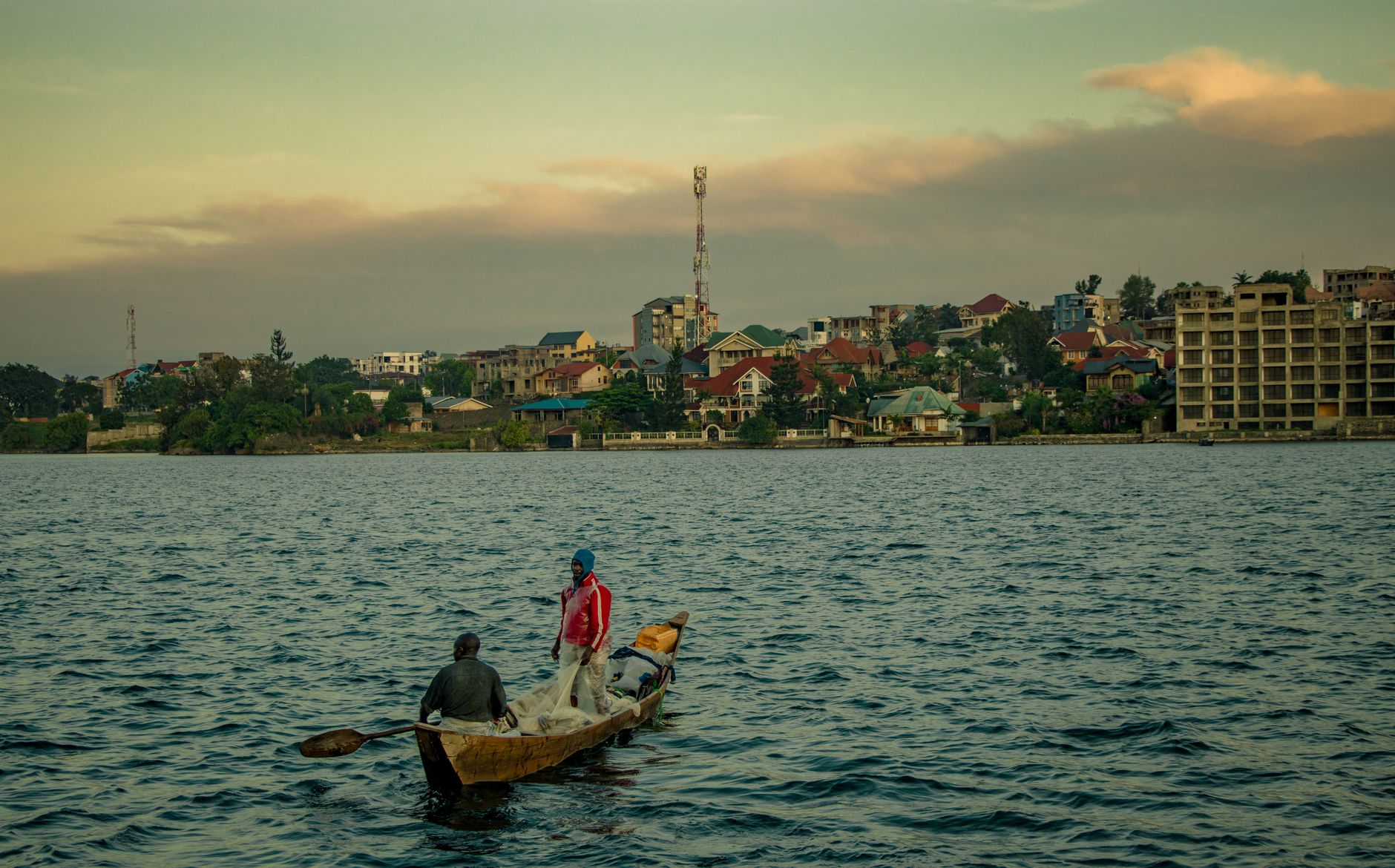
In the Democratic Republic of Congo, the spectre of Ebola is once again casting a long shadow over the nation's health system. With cases rising by a staggering 73%, the World Health Organization (WHO) has sounded the alarm on a critical shortage of health workers needed to combat the outbreak effectively.
Catherine Smallwood, the WHO's Ebola incident manager, highlighted the dichotomy of the situation. While the number of cases and deaths in North Kivu has shown signs of decline after a concerning escalation, the region remains perilously understaffed. Each day sees the addition of new treatment beds, yet without the requisite staff to man these facilities, the fight against Ebola remains hamstrung.
"The infrastructure is there, but we need the people to run it," Smallwood remarked, capturing the essence of the crisis. The shortage of health workers is not just a logistical issue; it is a human one, affecting the lives of those both receiving and providing care.
A Global Responsibility
The WHO's call to action underscores a broader narrative that has become all too familiar. As Ebola continues to test the resilience of local health systems, the international community's response—or lack thereof—can make the difference between containment and catastrophe.
Historically, the response to Ebola has been marked by both heroism and shortfall. The disease's high fatality rate and rapid spread demand a coordinated, well-resourced approach, yet funding and staffing have often lagged behind the need.
In this context, voluntourism and short-term international health assignments, while well-meaning, fall short of addressing the systemic issues at play. Sustainable, long-term investment in local health infrastructure and workforce development is paramount.
The Path Forward
The path forward requires not only immediate intervention but a strategic rethink of how global health crises are managed. Analysts suggest that a blend of local empowerment and international support could be key to breaking the cycle of crisis and response.
As Congo grapples with the current outbreak, the world watches with bated breath. The response will not only determine the course of this outbreak but will also set a precedent for global health resilience in the face of future challenges.